







India Fortifies Energy Security: Diversifies Sourcing, Boosts Strategic Reserves
New Delhi, India – In a significant strategic shift, India has dramatically expanded its global energy procurement network, now sourcing liquefied natural gas (LNG) from 15 countries and crude oil from 41 nations. This ambitious diversification, a sharp increase from previous figures, is a direct response to escalating geopolitical tensions and inherent vulnerabilities along critical maritime trade routes.
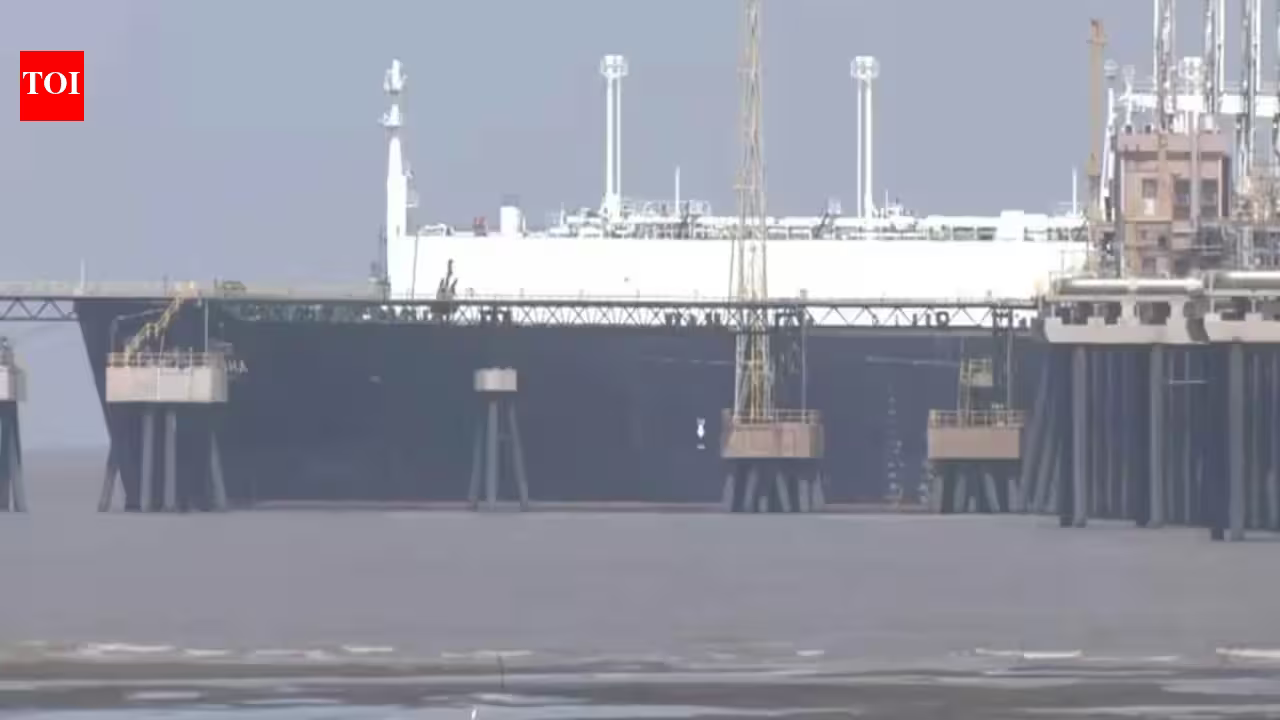
A recent statement to the Rajya Sabha by the Ministry of Petroleum and Natural Gas revealed the substantial growth in India’s energy import base. The nation has increased its LNG suppliers from a mere six to 15, and its crude oil sources have surged from 27 to an impressive 41 countries. This strategic maneuver is designed to fortify India’s energy security against potential global supply disruptions and market volatility.
“This diversification has reduced dependence on any particular country, region or transit route and enhanced India’s ability to manage supply disruptions and market volatility,” stated Minister of State for Petroleum and Natural Gas Suresh Gopi in a written reply, as quoted by ANI. This proactive approach underscores the government’s commitment to safeguarding national interests amidst an unpredictable global energy landscape.
The expansion of the LNG supplier base marks the latest indication of India’s aggressive efforts to spread its energy procurement across a broader spectrum of international markets. The increase in crude oil sourcing to 41 countries had been previously disclosed, reflecting India’s swift response to emerging risks impacting energy shipments, particularly those traversing the Middle East. The ministry confirmed its diligent monitoring of potential threats to energy flows and continuous assessment of global supply conditions. This ongoing evaluation is conducted in close coordination with public-sector oil and gas companies and other crucial stakeholders, ensuring uninterrupted availability of crude oil, LNG, and petroleum products for the nation.
Bolstering Domestic Oil Reserves for Future Resilience
Beyond diversifying import sources, the Indian government is simultaneously strengthening its domestic crude oil storage capabilities. Indian Strategic Petroleum Reserve Ltd (ISPRL) currently operates three storage facilities in Andhra Pradesh and Karnataka, boasting a combined capacity of 5.33 million metric tonnes. These existing reserves play a vital role in providing a buffer against sudden supply shocks.
Further enhancing this strategic capacity, approval has been granted for an additional 6.5 million tonnes through two new commercial-cum-strategic reserves. These facilities are planned for Chandikhol in Odisha and Padur in Karnataka. While approved in July 2021, the latest parliamentary reply did not provide an updated timeline for their completion or commissioning, leaving anticipation for their operational readiness.
Complementing these government-led initiatives, ONGC (Oil and Natural Gas Corporation) is independently developing a 1.75-million-tonne reserve in Karnataka. Under the government’s existing plan, half of this capacity will be designated for strategic storage, while the remaining half will be available for ONGC’s commercial utilization. This dual-purpose approach maximizes the efficiency and strategic value of the new reserve.
Collectively, the expanded global import network and the planned significant increase in strategic storage capacity are designed to equip India with robust options to withstand profound shocks to global energy flows. These measures aim to significantly limit the impact of geopolitical instabilities or shipping disruptions on the nation’s domestic energy supplies, securing a more stable and resilient energy future for India.
Source: Ministry of Petroleum and Natural Gas, ANI