









India has officially initiated a pivotal tender for the acquisition of 60 new military transport aircraft, marking a significant advancement in the long-anticipated Medium Transport Aircraft (MTA) program. After years of meticulous planning and comprehensive studies, this crucial project has now entered its competitive selection phase.
The Ministry of Defence formally issued the Request for Proposal (RFP) on Wednesday, setting in motion a procurement effort estimated to be worth approximately Rs 1 lakh crore, or about US$11 billion. This substantial investment is primarily aimed at modernizing the Indian Air Force’s (IAF) aging fleet of Soviet-designed Antonov An-32 aircraft, which have been the backbone of its tactical airlift capabilities for decades.
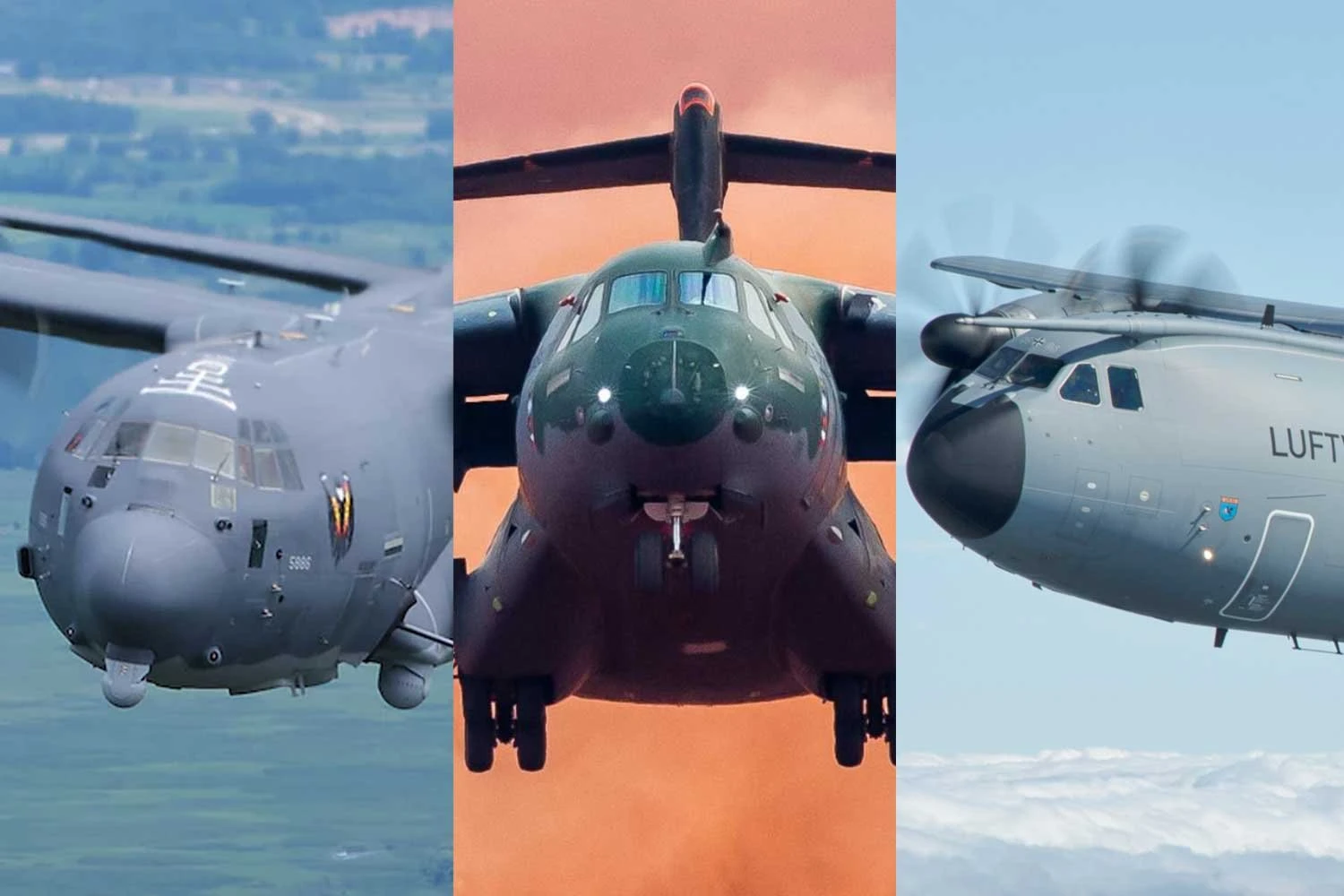
Three prominent global aerospace manufacturers are understood to be vying for this lucrative contract: Embraer with its C-390 Millennium, Lockheed Martin offering the C-130J Super Hercules, and Airbus presenting the A400M. While there has been speculation in previous reports suggesting that the A400M might face challenges due to its perceived higher acquisition and operational costs, Airbus remains a committed participant in the tender, indicating that such concerns are, for now, unconfirmed.
This ambitious program extends far beyond a mere direct purchase of imported aircraft. The RFP, strategically issued to Indian companies, mandates substantial local production and a comprehensive transfer of technology, requiring these domestic firms to partner with foreign manufacturers. Embraer has forged an alliance with Mahindra Defence Systems, while Airbus leverages its established industrial relationship with Tata. Similarly, Lockheed Martin has an existing collaboration with Tata in India, demonstrating a clear commitment to fostering indigenous aerospace capabilities.
Under the current strategic framework, the initial 12 aircraft are slated for delivery in a flyaway condition, meaning they will be fully assembled and ready for immediate operation upon arrival. Subsequently, an impressive 48 aircraft will be manufactured and assembled within India. This phased approach emphasizes the nation’s drive towards self-reliance in defense manufacturing. The program aims for local content to progressively exceed 50%, encompassing critical areas such as airframe structures, intricate wiring, advanced avionics integration, and various other vital components. Furthermore, India is seeking to develop robust domestic capabilities for maintenance and engine overhaul, ensuring long-term operational sustainability and reducing reliance on foreign support.
The IAF’s operational requirements specify an aircraft capable of carrying a payload between 18 and 30 tonnes. This specification places the Embraer C-390 Millennium near the upper limit of this range and the Lockheed Martin C-130J Super Hercules towards the lower end. Although the Airbus A400M exceeds this payload capacity with its maximum of approximately 37 tonnes, it remains a viable contender in the competition. Crucially, the Indian Air Force also demands aircraft that can operate effectively from short and unprepared runways, and perform reliably in high-altitude environments, particularly along India’s challenging northern and eastern borders, which are characterized by rugged terrain and extreme weather conditions.
Both Airbus and Lockheed Martin already boast a significant presence within India’s defense sector. Lockheed Martin’s C-130J aircraft are currently in service with the Indian Air Force, providing the company with an established operational footprint and logistical framework. Airbus, on the other hand, is actively involved in supplying the IAF with the smaller C-295 transport aircraft under a separate program, which includes the establishment of an assembly line within India, further solidifying its industrial ties to the country.
For Embraer, however, the scale and industrial localization demands of the MTA competition present an opportunity that could have far-reaching implications beyond just the potential 60-aircraft order. The Brazilian manufacturer presently assembles the C-390 at its facility in Gavião Peixoto, expecting to achieve an annual production capacity of approximately 10 aircraft by 2030. Embraer CEO Francisco Gomes Neto recently indicated that production rates could be significantly increased if opportunities arising from this Indian tender and potential deals in the United States lead to the establishment of additional assembly lines.
The issuance of the RFP transforms what has been a protracted sales campaign into a concrete competitive arena. The subsequent phases of this critical procurement process are anticipated to involve a thorough evaluation of commercial and technology-transfer proposals from all contenders, extensive aircraft trials to assess performance in various operational scenarios, and detailed negotiations before India ultimately selects the successful bidder for this transformative defense project.