







India Secures Early Trade Gains from EU Ahead of Landmark FTA Signing
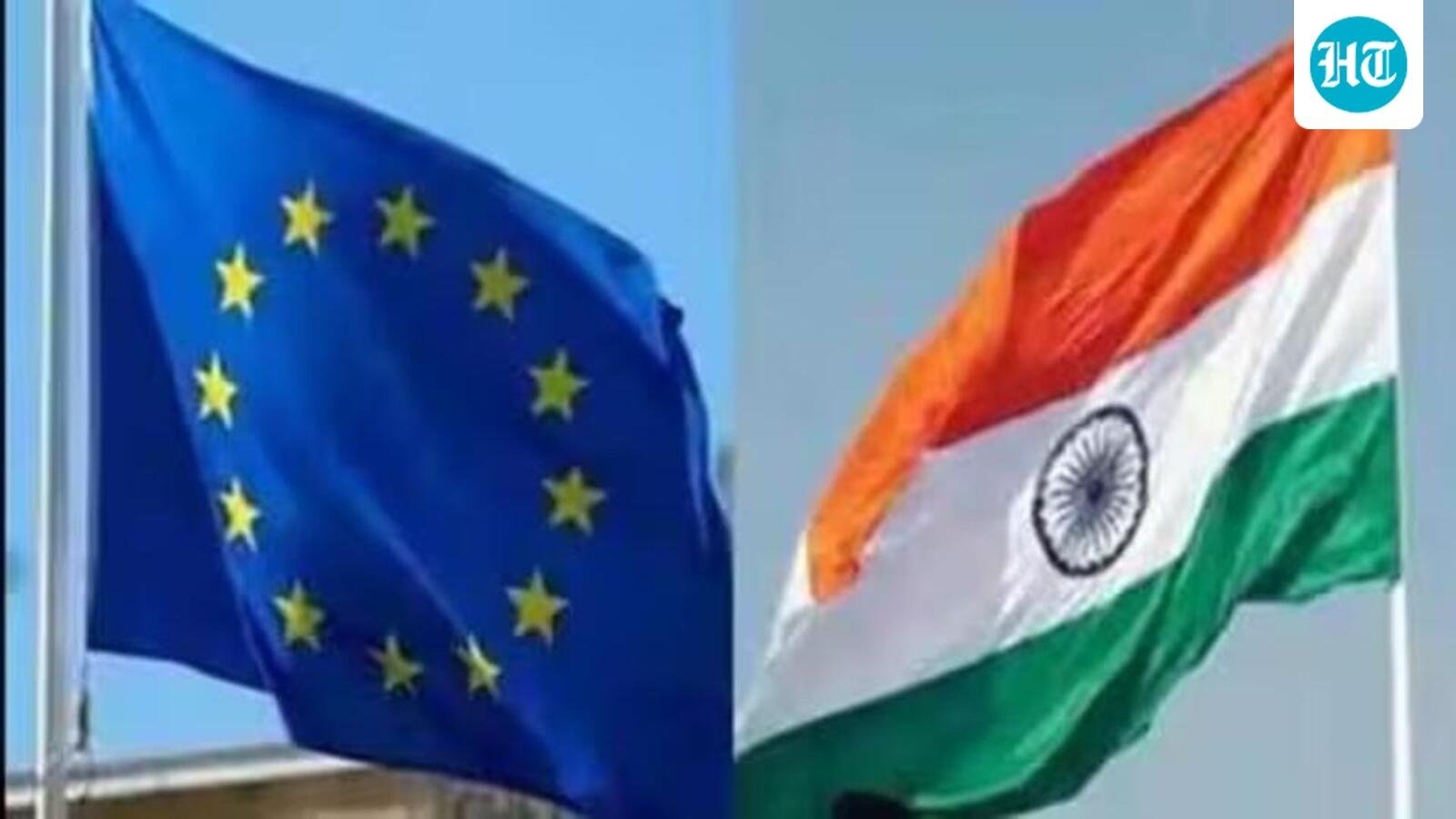
In a significant boost to India’s export ambitions, the government has successfully negotiated a series of preliminary trade concessions with the European Union. These early gains, which span the steel, fisheries, and shipping sectors, provide Indian businesses with preferential access to the 27-nation bloc even before the formal signing of the highly anticipated Free Trade Agreement (FTA), scheduled for December 2026.
According to senior officials within the Ministry of Commerce, these “front-loaded” benefits are designed to prime the economic engine for a full-scale partnership. With the formal agreement expected to become operational by early 2027, the move signals a strengthening of ties between New Delhi and the $23 trillion European market.
Strategic Gains for Steel and Seafood
The most notable early win is the expansion of India’s steel export quota. The EU currently enforces a strict quota system on global steel imports to shield its domestic producers from market oversupply. Under this regime, any volume exceeding the duty-free limit faces a hefty 50% tariff.
Through proactive negotiations, India has secured a duty-free quota of approximately 2.8 million tonnes, which accounts for over 93% of the country’s average annual steel shipments to Europe. This arrangement, which took effect on July 1, provides much-needed relief to domestic manufacturers who would have otherwise faced significantly more restrictive limitations.
Beyond heavy industry, the marine sector has also received a major lift. The EU has officially greenlit 625 Indian fishery establishments to export shrimps and other seafood to European markets, opening the door for thousands of local producers to tap into high-value consumer demand.
Leadership in Ship Recycling
India’s status as a global powerhouse in ship recycling—a sector where it commands a 30% global market share—has been further cemented by a new EU concession. India has become only the second nation outside of Europe, alongside the United States, to receive official EU approval for its shipbreaking facilities. Specifically, two prominent yards in Gujarat have been cleared to handle European vessels, marking a vital validation of India’s progress in sustainable and safe ship-recycling practices.
Paving the Way for the ‘Mother of All Deals’
The broader India-EU FTA, often described by policymakers as the “mother of all deals,” is currently in the final stages of administrative processing. Having cleared the rigorous legal scrubbing phase in record time, the draft is now under review by the European Council. Officials anticipate that the agreement will be formally signed by December 2026, with full implementation slated for early 2027, following a mandatory approval process by the European Parliament.
Aligning on Carbon Standards
A critical component of these ongoing trade discussions involves the alignment of climate policies. As the EU pushes ahead with its Carbon Border Adjustment Mechanism (CBAM)—a tax on carbon-intensive imports like steel, aluminum, and cement—India is working to ensure its domestic carbon credit trading scheme is internationally recognized.
The recent acknowledgment of India’s carbon framework by the United Kingdom has provided a vital blueprint for future dealings with Brussels. By harmonizing carbon measurement and reporting practices, India hopes to mitigate the impact of the EU’s carbon tax, ensuring that its exports remain competitive in a landscape increasingly defined by green regulations. These early concessions, therefore, serve not just as trade wins, but as a strategic foundation for a long-term, sustainable economic partnership.
Disclaimer: This content is auto-generated for informational purposes only.
Source: Read Original News