








Nagoya stands at a crossroads as it prepares to host the 20th Asian Games, a city once leveled by the ravages of World War II now finding itself besieged by a different kind of challenge: a logistical storm that threatens to overshadow the athletic spectacle. With over 17,000 athletes and officials descending upon the Aichi prefecture, the organizers’ attempt to modernize the Games through cost-saving measures has spiraled into a series of embarrassing setbacks, ranging from transport mix-ups to substandard living conditions.
More than 17,000 competitors and officials
The scale of this year’s competition is staggering. Originally anticipating a turnout of 15,000, local organizers have found themselves overwhelmed by the surge in participants, frankly admitting they lack both the budget and the manpower to address the influx. This miscalculation has forced a desperate scramble for housing, leading to a fragmented accommodation plan that has left teams frustrated and, in some cases, vocalizing their dissatisfaction on the global stage.
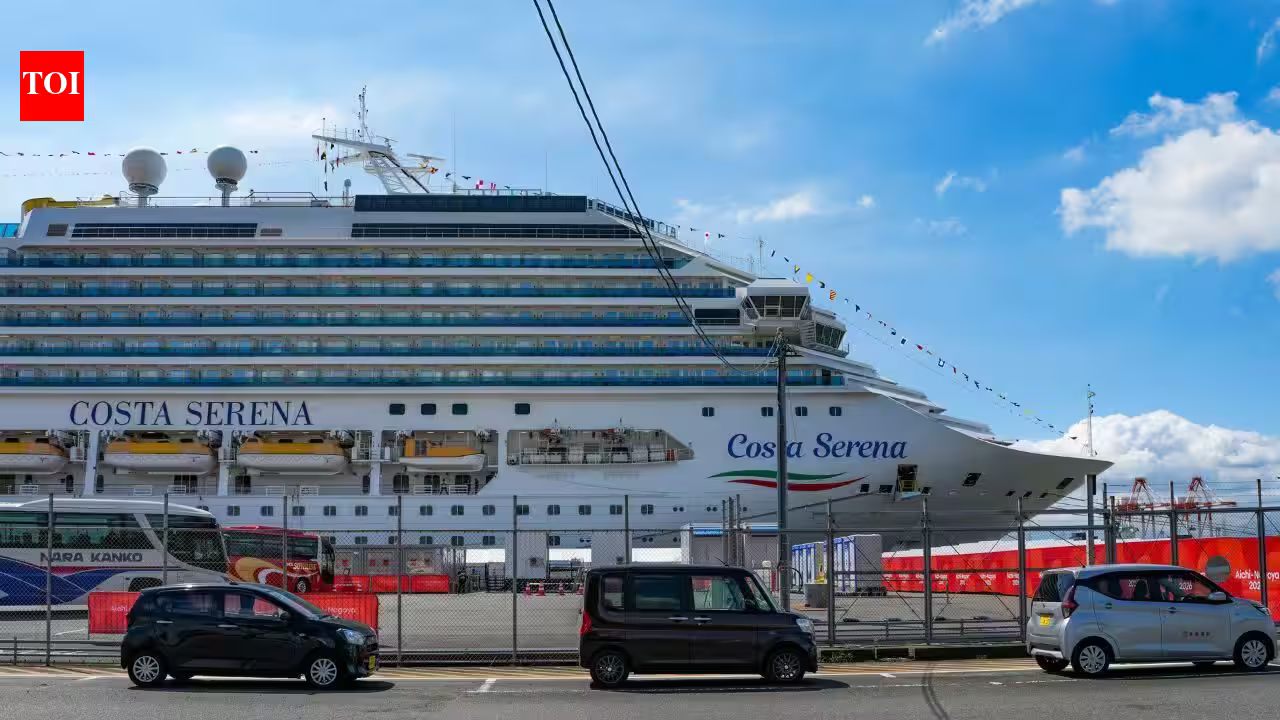
Instead of a traditional, centralized athletes’ village, the Aichi-Nagoya committee opted for a patchwork solution. Athletes are currently scattered across a diverse array of facilities, including hotels, temporary wooden cabins, shipping container-style huts, and even a massive Italian cruise liner, the Costa Serena, docked at Nagoya Port.
Accommodation and transport problems
The logistical strain is already impacting on-field performance. The South Korean men’s football team, the reigning champions, has faced back-to-back transport blunders. After a bus driver mistakenly delivered the squad to a baseball ground instead of their scheduled match at the Mizuho Rugby Stadium, the team was forced to navigate further delays during their recovery training session on Wednesday. These disruptions, while seemingly minor in isolation, signal a broader organizational breakdown that has left teams scrambling to maintain their competitive edge.
The housing situation has been even more contentious. South Korean basketball player Byeon Jun-hyeong recently took to social media to highlight the reality of the shipping container accommodations, posting a video of a leaking sink and a saturated floor with the desperate caption, “Please help us.” Such images have sparked outcry, with the South Korean Olympic committee labeling the facilities “the worst” they have ever encountered at the Asian Games, citing cramped, inadequate bedding and a critical shortage of rooms.
The frustration is not limited to the South Korean camp. India’s shooting contingent, which includes high-profile medal hopefuls like Manu Bhaker and Esha Singh, is dealing with a grueling 50km commute between their hotels and the shooting range. A senior Indian coach expressed deep disappointment, noting that the reality of the accommodation has failed to meet the expectations of Japan’s traditionally high standards of hospitality. “This transportation is a real problem,” the coach noted. “We arrived with an expectation of professionalism, but the distance and the lack of local infrastructure have forced our athletes into an exhausting daily routine.”
Typhoon adds to concerns
As if the internal logistical strife were not enough, nature is threatening to add a volatile variable to the mix. September and October align with Japan’s typhoon season, and with a significant portion of the athlete population—between 4,000 and 5,000 people—housed on the Costa Serena, the looming threat of severe weather has organizers on edge.
The ship, which features seven swimming pools and numerous dining facilities, was intended to be a centerpiece of the Games’ “spectacular” experience. However, the prospect of a typhoon hitting the main island this coming Sunday or Monday has created a palpable sense of anxiety. Last week, heavy rainfall already forced the temporary evacuation of athletes from the shipping container huts, serving as a grim preview of what could happen should the weather intensify.
With the opening ceremony at the 30,000-capacity Mizuho Park Athletic Stadium fast approaching, the mood in Nagoya is a mixture of anticipation and apprehension. While officials from the Olympic Council of Asia have issued joint statements promising that all athletes registered before the July deadline will be provided with “Games-appropriate accommodation,” the damage to the event’s reputation is already visible.
For the athletes who have spent years training for this moment, the focus should be on personal bests and gold medals. Instead, they are currently battling a schedule of long, arduous bus rides, leaky ceilings, and the encroaching shadow of a typhoon. As the 20th Asian Games officially commence, the organizers face a Herculean task: they must stabilize the logistical foundation of the event before the mounting complaints from participating nations turn into a full-scale crisis. For now, as one anonymous sports federation official admitted, the best the participants can do is “pray that the worst-case scenario will not happen.”
Disclaimer: This content is auto-generated for informational purposes only.
Source: Read Original News