








Indian Markets Poised for Opening Dip Amid Rising Middle East Tensions and Surging Oil Prices
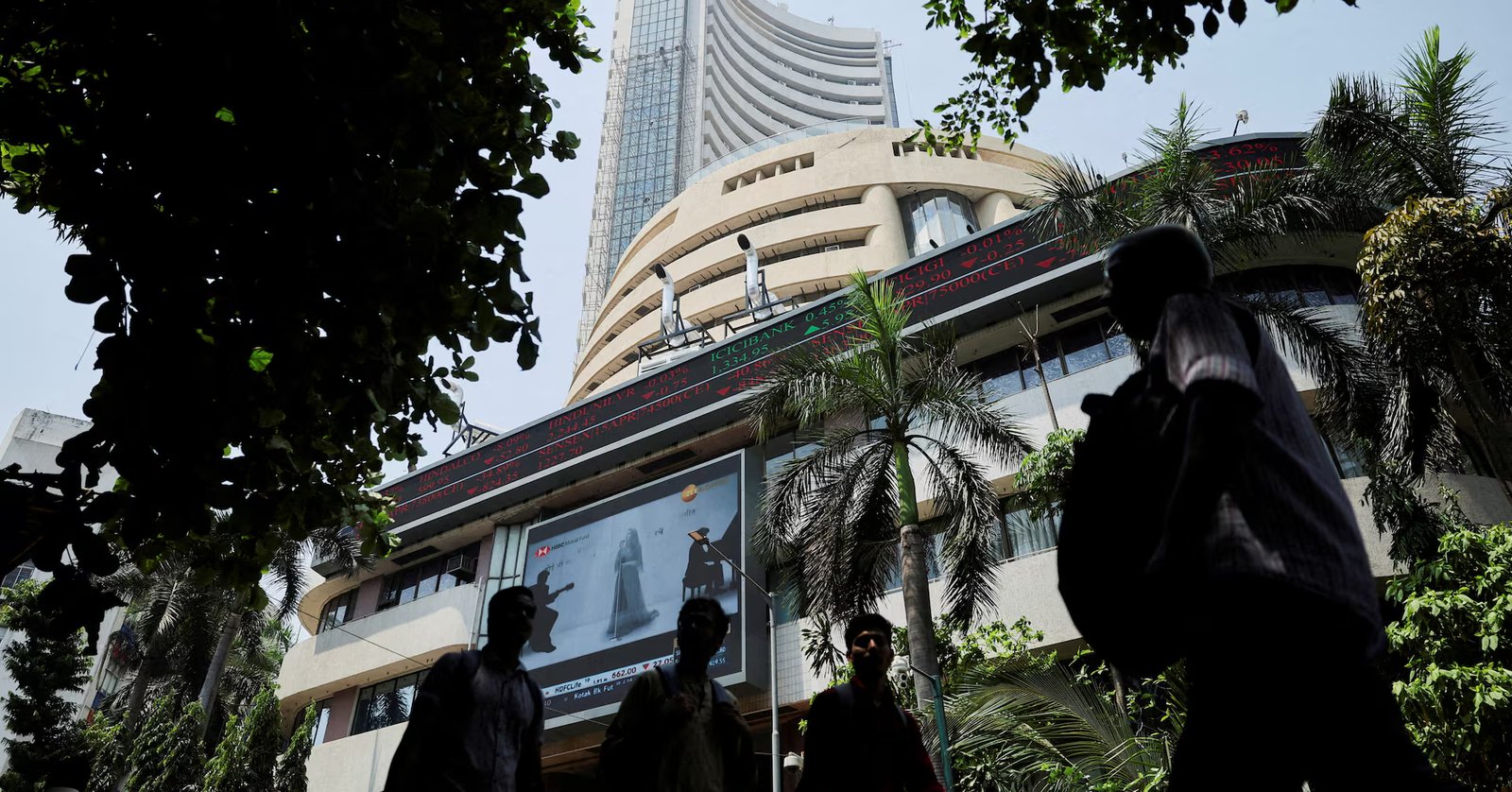
MUMBAI – Indian equity markets are set for a weak opening on Wednesday as a wave of geopolitical volatility sweeps through global financial hubs. The bearish sentiment follows a sharp escalation in the conflict between the United States and Iran, which has sent global energy markets into a tailspin.
Following a series of overnight strikes, oil prices vaulted to their highest levels in nearly six weeks. The rapid intensification of hostilities in the Middle East has reignited fears among investors regarding global supply chain stability and the potential for a fresh spike in inflation.
Geopolitical Jitters Drive Market Volatility
The abrupt shift in the Middle East security landscape has prompted a widespread “risk-off” environment, impacting major indices from Asia to the West. As energy costs climb, market participants are bracing for the potential ripple effects on central bank policies. Higher oil prices typically exert upward pressure on inflation, a dynamic that could complicate the monetary trajectory for economies heavily dependent on energy imports, such as India.
The Indian shares are expected to mirror the cautious tone set by their global counterparts, with domestic investors likely pivoting toward defensive assets as they wait for further clarity on the duration and severity of the regional conflict.
Inflationary Concerns Take Center Stage
Economic analysts warn that if the current tension persists, the resulting surge in crude oil prices could weigh heavily on India’s import bill and current account deficit. While the Reserve Bank of India (RBI) has remained vigilant regarding domestic price stability, the external shocks emanating from the Middle East present a significant hurdle to maintaining controlled inflation targets.
Market observers are now closely monitoring both the diplomatic developments in the region and the immediate reaction from global commodity traders. For the domestic session today, traders suggest that while the initial sentiment will likely be negative, the market’s medium-term resilience will depend on whether oil prices stabilize or continue to climb amid the deepening geopolitical rift.
As of early pre-market indications, heavyweights in the energy and aviation sectors are expected to face the brunt of the sell-off, while defensive sectors such as information technology and pharmaceuticals may see limited support as investors seek to hedge against the deepening uncertainty.