





The Toxic Cost of Neglect: Britain’s Escalating Waste Crime Crisis
For Liz Thompson, the proprietor of Blessings Nursery in Bradford, the height of summer was supposed to be a time for outdoor play and learning. Instead, it became a battle for survival against a nauseating, pervasive stench drifting from a nearby industrial site.
“There were parents dropping their children off and then heaving from the smell,” Thompson, 45, recalls. “It smelled like dead people, like really bad, rotten food. It was horrible.”
During the recent heatwaves, the odor from an illegal waste dump on Midland Road—situated just meters from the nursery—became so overpowering that staff were forced to keep all doors and windows sealed. The children, deprived of their outdoor space, were confined inside, and the nursery’s reputation suffered as prospective parents recoiled at the conditions. “It was embarrassing,” Thompson says.
The situation in Bradford is a stark, visceral reminder of a growing national epidemic. Across England, the Environment Agency recorded 10,238 reports of suspected waste crime in 2025 alone. Yorkshire has emerged as a particularly grim hotspot, with 1,068 reported incidents, trailing only the West Midlands. Experts warn these figures are likely the tip of the iceberg, with estimates suggesting that only 27% of such offenses are ever reported.
A Profitable, Organized Enterprise
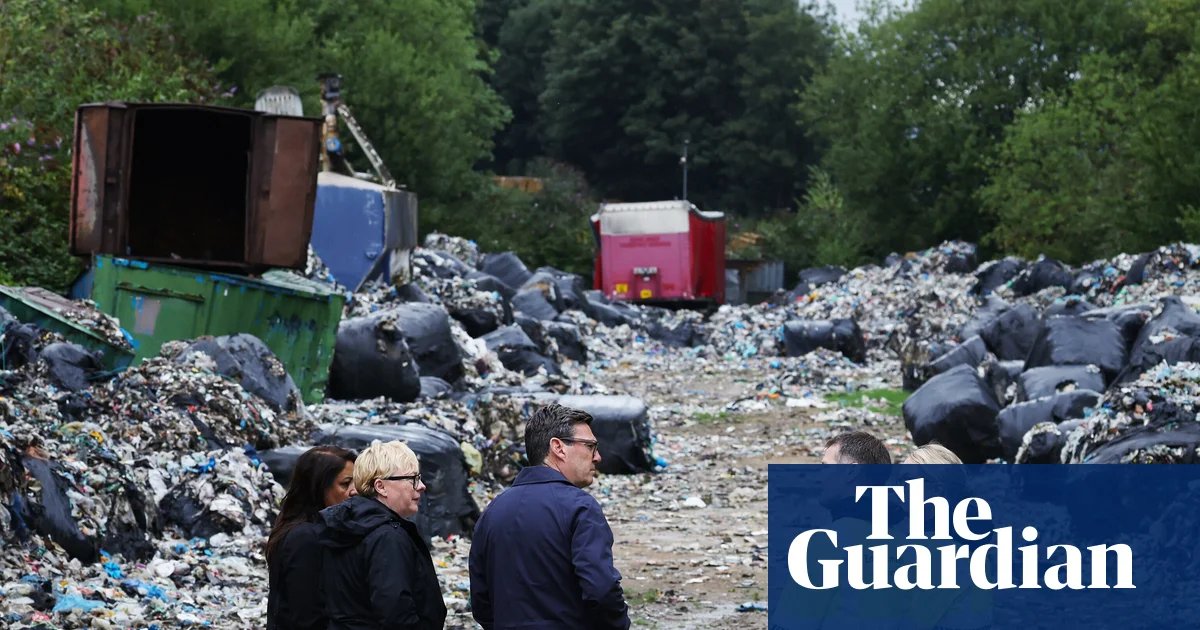
The Midland Road site, which authorities first flagged in June following complaints of foul odors, is characteristic of a sophisticated criminal operation. Investigations revealed that HGVs were frequenting the site under the cover of darkness, utilizing heavy machinery to offload thousands of tonnes of waste.
“There are really clear signs that this is linked to organised criminality,” says Ben Hocking, the Environment Agency’s area environment manager. While the illicit trade is highly lucrative for the perpetrators, it imposes a staggering burden on the public purse. Approximately 20% of all waste currently in circulation in England is managed illegally, costing the UK economy roughly £1 billion annually.
The financial toll of the clean-up is equally devastating. While the government aims to recover costs through the courts, the reality is often bleak. Hocking estimates that cleaning up the Midland Road site alone will cost taxpayers upwards of £250,000—a fraction of the £15 million spent to rectify the environmental disaster at Hoads Wood in Kent.
A New Political Front
The severity of the issue has prompted high-level intervention. In one of his first acts as Prime Minister, Andy Burnham visited the Midland Road site, issuing a firm warning that the era of “making easy money out of waste” is over.
As part of a strategic shift, the government is empowering regional leaders, appointing the mayor of West Yorkshire, Tracy Brabin, to spearhead a more localized, agile approach to detection and enforcement. Environment Secretary Angela Eagle has also pledged to provide the Environment Agency with better tools to act “further and faster.”
However, skepticism remains. The House of Lords has previously leveled sharp criticism at the Environment Agency, accusing it of “incompetence” in managing the crisis. While Hocking concedes that “we could always do with more funding,” he insists the focus is now on developing a more robust intelligence picture to identify and disrupt these criminal networks before they establish a foothold.
The Human Toll
For the residents and business owners surrounding the Midland Road dump, political promises offer little immediate relief. With no definitive timeline for the cleanup, the fear of future heatwaves—and the return of the suffocating, fly-ridden stench—lingers.
One employee at a nearby youth center, who requested anonymity, described the demoralizing impact on her community. “The center had to cancel cooking and exercise classes because the smell made working unbearable,” she said. “Whoever did this wasn’t thinking about the local people and how it’s affecting them. It’s really unfair. Whoever dumped this waste needs to be held responsible.”