







Brussels Plays Down Delays as EU Capitals Miss Crucial Nature Restoration Deadlines
The European Commission is maintaining a composed stance despite a widespread failure by EU member states to meet the legal deadline for submitting their national restoration plans, a move that environmental advocates warn could jeopardize the bloc’s biodiversity targets.
As the clock ran out on the formal submission period, it became clear that a significant number of national capitals had failed to deliver their draft strategies. These documents are intended to outline how each country plans to rehabilitate degraded ecosystems in line with the European Union’s landmark legislation.
A Slow Start for Green Targets
The failure to submit these plans has sparked concern among lawmakers and environmental NGOs, who argue that the lack of progress reflects a broader hesitation by member states to commit to the rigorous, legally binding nature recovery targets agreed upon last year.
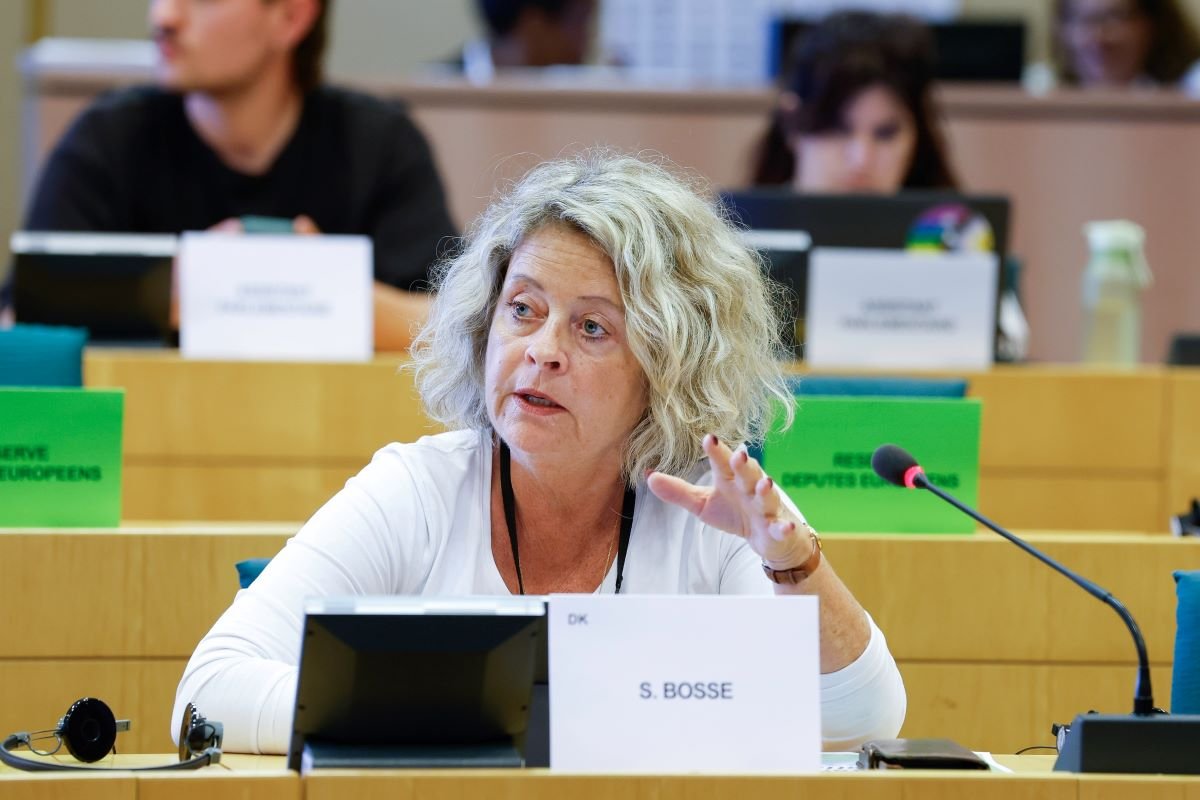
Members of the European Parliament have been particularly vocal, emphasizing that the urgency of the climate and biodiversity crisis cannot wait for bureaucratic delays. As highlighted by observers, many capitals are moving too slowly on nature restoration, leaving the European Green Deal’s core ambitions in a state of precarious limbo.
Commission Remains “Optimistic”
Despite the missed deadline, the European Commission has signaled it is not yet prepared to initiate infringement procedures against the laggard nations. A Commission spokesperson downplayed the severity of the delay during a recent briefing, suggesting that “constructive dialogue” is currently underway with those member states still finalizing their submissions.
“The focus remains on the quality of the plans rather than the exact timing of their arrival,” the official stated, emphasizing that the Commission is providing technical assistance to ensure that the national strategies are robust enough to meet the EU’s 2030 and 2050 benchmarks.
The Path Forward
The national restoration plans are not merely administrative formalities; they are the primary mechanism through which member states must commit to restoring at least 20% of the EU’s land and sea areas by 2030.
As the Commission continues to field late submissions, the pressure is mounting from both civil society and legislative bodies to ensure that these national roadmaps are not watered down. With biodiversity loss continuing at an alarming rate across the continent, the coming weeks will be critical in determining whether member states can transition from political promises to concrete ecological action.
For now, Brussels remains in “wait-and-see” mode, hopeful that the majority of plans will be filed before the Commission feels forced to take more stringent legal action.