







Florida’s iconic oyster industry, once defined by the abundant, low-cost wild-caught harvests of the Apalachicola Bay, has undergone a radical transformation. Over the past 15 years, a precipitous decline in wild oyster populations—driven by environmental shifts and habitat loss—has forced the state to pivot toward a more controlled method of production: off-bottom oyster aquaculture.
This shift is the focal point of a recent episode of the Coast to Canopy podcast, featured on the Speaking Of program, which explores how modern farming techniques are not merely a backup plan for a dying industry, but a sophisticated evolution of the Florida seafood market.
The Transition from Wild Harvests to Precision Farming
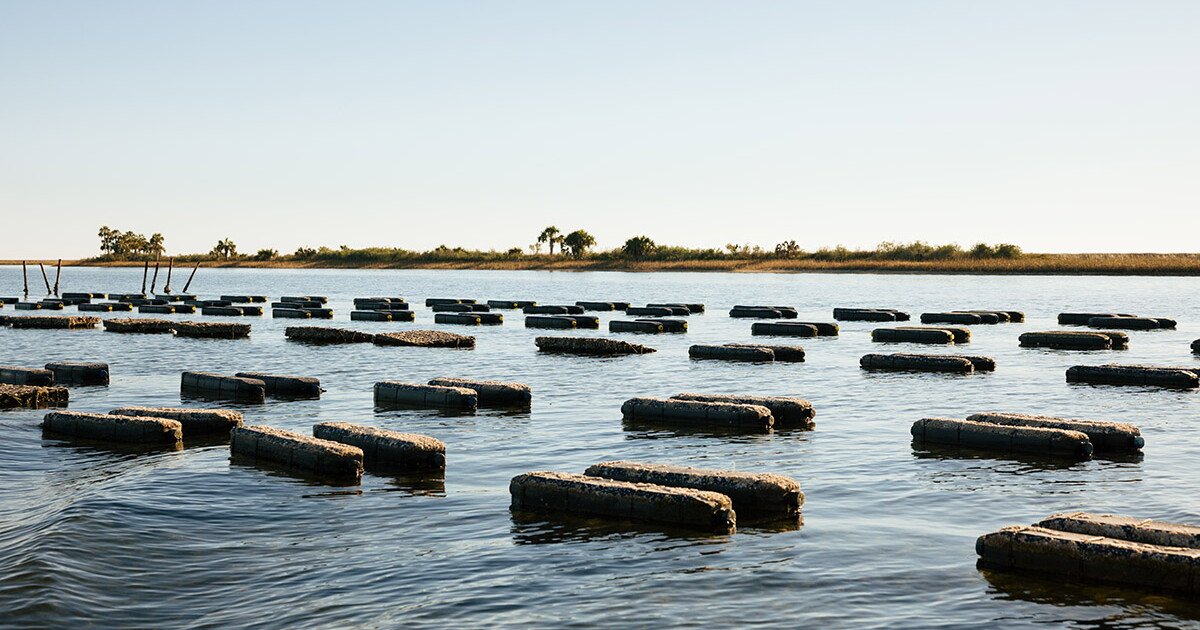
For generations, Floridians relied on wild-caught oysters that were harvested directly from the bay floor. However, the collapse of these traditional fisheries necessitated a new approach. Off-bottom aquaculture involves placing oysters in floating cages rather than letting them grow on the seabed.
According to experts, this method is not intended to replace the wild-caught market. Instead, it creates a “complementary” ecosystem. By farming oysters in controlled environments, producers can ensure high quality and year-round availability, providing a stable supply for restaurants and markets that can no longer rely on the unpredictable volatility of wild harvests.
Cainnon Gregg, owner of the Panacea-based Pelican Oyster Company, highlights that these farms operate as precision businesses. By utilizing specific aquaculture zones, farmers can mitigate the impact of disease and environmental fluctuations, effectively creating a sustainable business model where the wild population could not keep up with demand.
Technological Advancements and Environmental Stewardship
The integration of technology and science is vital to the success of this aquaculture surge. Leslie Sturmer, a Shellfish Aquaculture Extension specialist with the University of Florida and IFAS, emphasizes that the scientific oversight provided to these farms is crucial.
This is where the broader tech ecosystem plays an unexpected role. Modern aquaculture is increasingly reliant on data analytics, environmental monitoring sensors, and predictive modeling to manage water salinity, temperature, and oyster growth rates. Much like the broader tech industry’s push into “precision agriculture,” Florida’s oyster farmers are leveraging scientific data to optimize harvests while minimizing their ecological footprint. These farms often act as natural filters for the surrounding waters, as oysters help process nitrogen and improve water quality, making the technology behind the farm a boon for local biodiversity as well.
Future Outlook and Digital Accessibility
As the industry matures, the challenge remains in public perception. Many consumers still associate “farmed” seafood with lower quality, a stigma that the aquaculture sector is fighting to dismantle through transparency and education.
Platforms like Google News and various podcast syndication networks are increasingly important for this industry. By making niche, educational content—like the Coast to Canopy episodes—more discoverable through search algorithms and audio-integrated news feeds, the agricultural community is better equipped to reach the modern, tech-savvy consumer.
Whether it is through the algorithmic recommendations of a news app or the sophisticated biological monitoring of an oyster cage, the message is clear: the future of Florida’s seafood is not found on the bay floor, but in a carefully managed intersection of environment, data, and human ingenuity. By leaning into aquaculture, Florida is ensuring that the oyster remains a staple of its culinary identity, even as the wild populations of the past continue to dwindle.
Disclaimer: This content is auto-generated for informational purposes only.
Source: Read Original News