






The Delicate Diplomatic Dance: How India Navigated the SCO Summit in Bishkek
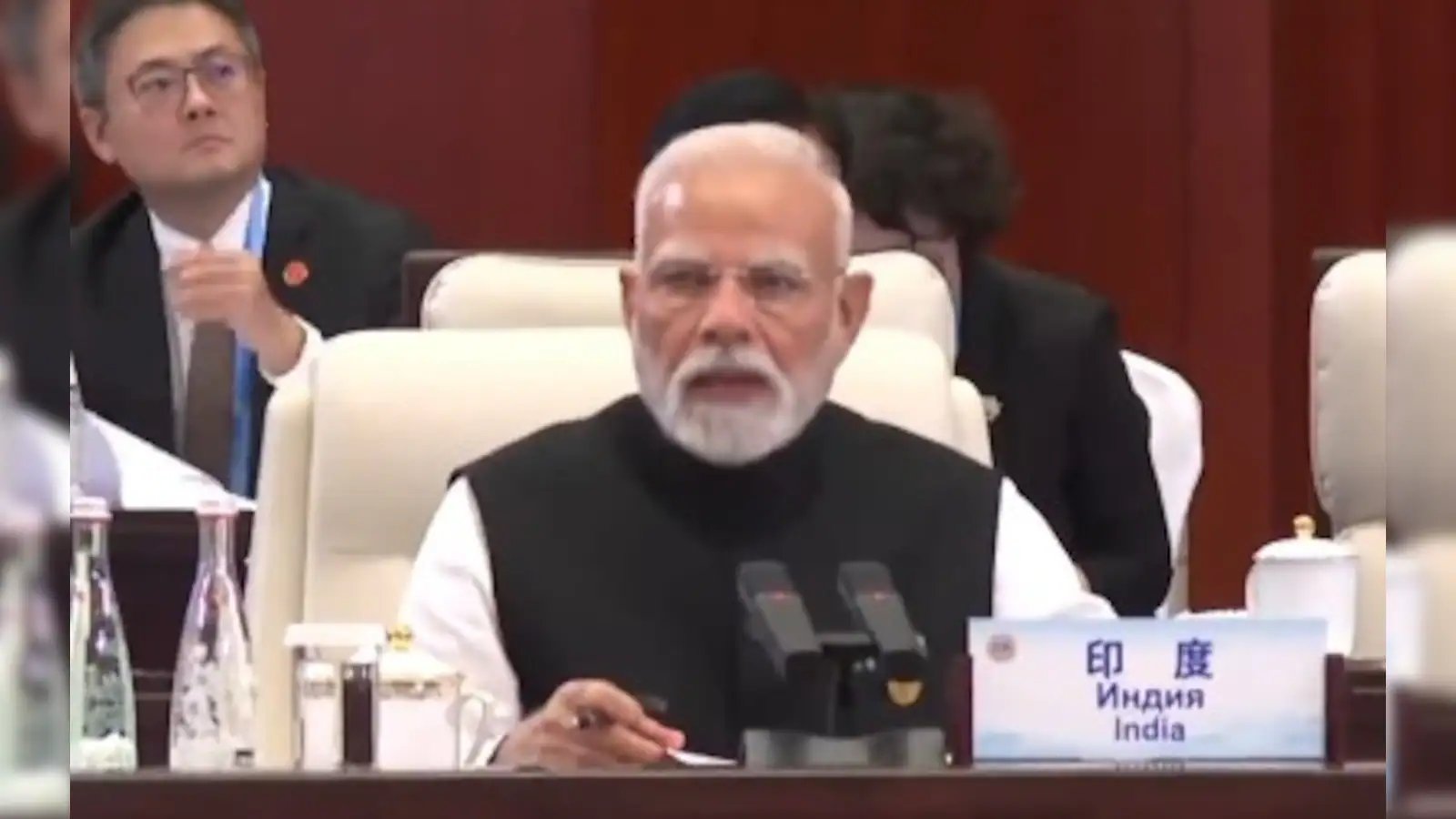
In the high-stakes theater of global diplomacy, few events illustrate a nation’s geopolitical dexterity quite like the Shanghai Cooperation Organisation (SCO) summit. As Prime Minister Narendra Modi concluded his visit to Bishkek, the international community was provided a clear snapshot of the “balancing act” that has defined Indian foreign policy for years: remaining deeply engaged with Moscow, Beijing, and the Central Asian capitals without ever becoming firmly tethered to any single geopolitical camp.
The Art of the Tightrope
The SCO serves as a unique arena for this strategy. Since becoming a full member in 2017, New Delhi has utilized the platform not just as a member of the bloc, but as a strategic channel to maintain dialogue with regional giants while advancing its own domestic interests.
The summit was marked by a series of nuanced interactions. A brief, choreographed moment with Chinese President Xi Jinping underscored the frostiness that has persisted since the 2020 military standoff along the Line of Actual Control. While there was no formal bilateral meeting—a significant signal in itself—the exchange ensured that the lines of communication between New Delhi and Beijing remain open ahead of a potential meeting at the upcoming BRICS summit.
A Sharpened Message for Islamabad
While the engagement with China was defined by caution, the tone regarding Pakistan was unmistakably firm. With the Pakistani Prime Minister in the room, PM Modi leveraged the forum to deliver a pointed message on terrorism.
India’s position remains consistent: there can be no double standards regarding terrorist organizations. By airing these concerns within the multilateral framework of the SCO, India successfully pressured its neighbor while simultaneously resonating with Central Asian states that are increasingly anxious about radicalization and instability spilling over from Afghanistan.
Managing the Russian Partnership
If the interaction with Beijing was about managing friction, the meeting with Russian President Vladimir Putin was about navigating a “close relationship facing complications.” Trade between India and Russia has surged to nearly $60 billion, driven largely by India’s increased procurement of Russian crude oil.
However, this boom has created a lopsided trade deficit exceeding $50 billion. Beyond the ledger, the ongoing war in Ukraine has introduced structural tensions into the partnership. During their sit-down, PM Modi reiterated India’s call for a negotiated peace, emphasizing that the global impact of the conflict—particularly on trade routes and energy security—remains a top-tier concern for New Delhi.
The Long Game: Central Asia and Beyond
Perhaps the most significant takeaway from the summit is India’s long-term strategy for Central Asia. India is seeking to deepen ties through connectivity projects, energy partnerships, and cultural diplomacy. By promoting initiatives like the “SCO Civilisational Dialogue Forum” and supporting young startups and scientists, India is cultivating soft power in a region where it has historically struggled against the geographical barriers posed by Pakistan and the economic influence of China.
The Bishkek summit was ultimately a preview of a much larger month. As the world watches, the real test of this balancing act will continue on Indian soil, as leaders prepare to gather for the BRICS summit. For Prime Minister Modi, the mandate is clear: sustain the dialogue with China, maintain the strategic closeness with Russia, and firmly assert India’s own regional security priorities—all while navigating an increasingly volatile global landscape.