








India’s Middle Class Faces a Looming Retirement Crisis, Warns Top Investment Manager
Mumbai, India – India’s burgeoning middle class is hurtling towards a potential financial crisis in their golden years if they fail to prioritize strategic long-term investing, a leading financial expert has cautioned. Swarup Mohanty, Vice Chairman and CEO of Mirae Asset Investment Managers, delivered a stark warning: those who reach the age of 35 without a robust investment plan risk a future where their income ceases, but their medical expenses continue unabated, potentially leading to financial destitution in their final decades.
Mohanty’s sobering message, delivered during a podcast with Finnovate, emphasizes the critical need for salaried professionals to acknowledge the prospect of living for many years after their active income streams dry up. "At 35, one should realise that one is going to live very long," Mohanty stated. "At some point, what we call active income will stop for a salaried person. Then you have to live the rest of your life based on how much money you have."
For individuals who have neglected to invest, Mohanty paints a "very, very scary proposition" for their future. He underscores the inescapable role of money in later life, asserting, "At that point, your only friend will be money. Everything that you want to do will be driven by money. If you do not realise that at 35 years of age, you have already done a lot of disservice to yourself."
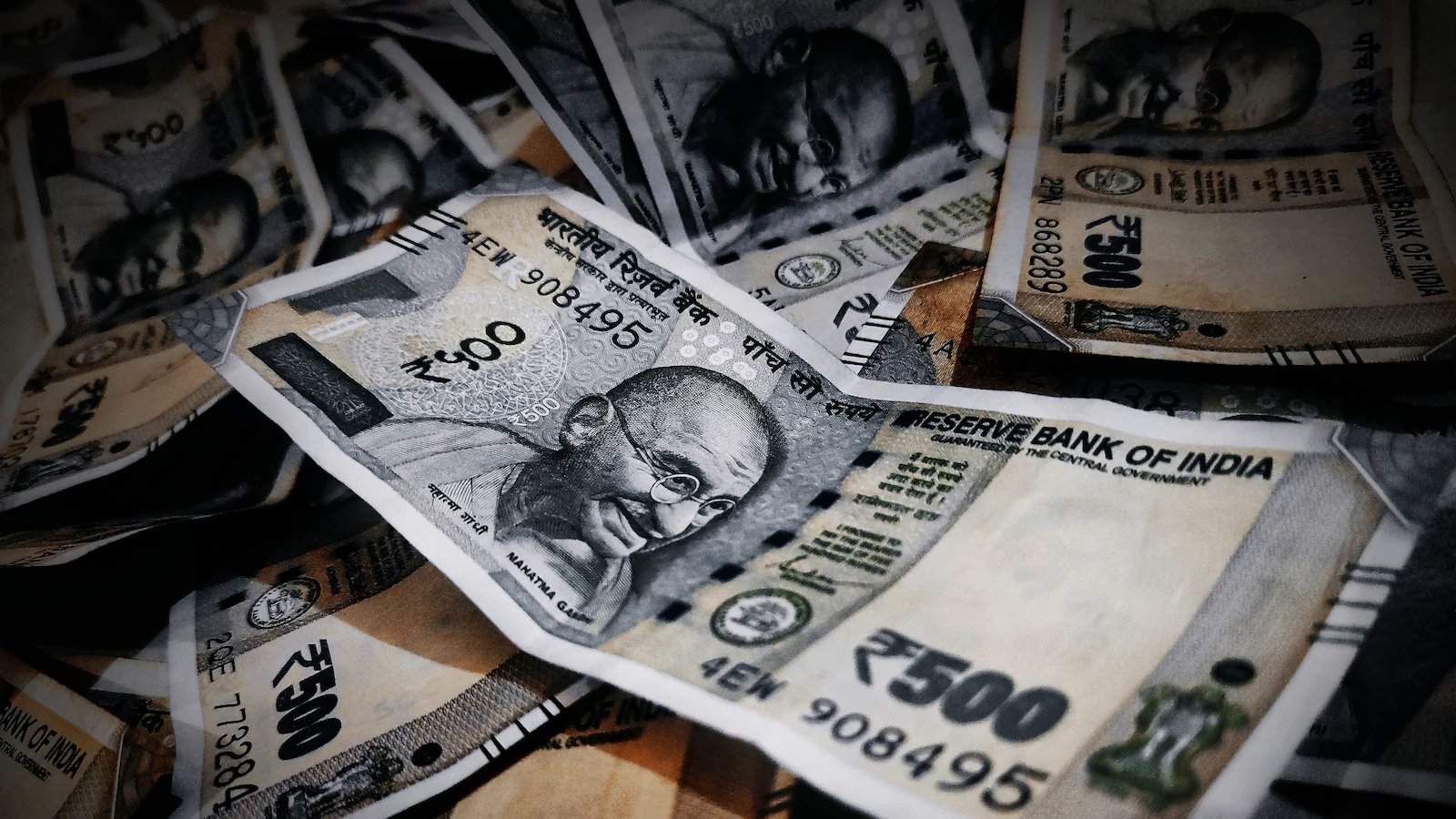
The financial ramifications of delayed investing are particularly severe due to the lost opportunity of compounding. Mohanty illustrated this with a powerful example: "If you want to earn, say, Rs 10 crore and you start at 20, at 12% you need to invest some Rs 10,000 to Rs 20,000 per month. But if I were to start that at 40, probably I will have to invest Rs 2 lakh per month or something of that sort." He added, "That is the opportunity cost that has already left you."
While Mohanty stressed that 35 is not an insurmountable age to begin investing, he strongly advised against any further procrastination. "At 35, you are still not bad. You can start. But realising the need for money is most important," he advised, concluding with a potent statement: "The biggest disservice that you will do to your old age is not investing as of yesterday."
Beyond investment strategy, Mohanty issued a crucial secondary warning regarding healthcare. He highlighted the severe mistake of not possessing adequate medical insurance. "Not having good medical insurance is another mistake because your health is very critical and healthcare will become expensive," he stated, urging individuals to "Catch hold of a good planner. Start investing as if there is no tomorrow because that is your dire need."
Adding another layer to the retirement challenge, retirement strategist Milind Deogaonkar pointed out that even a substantial corpus doesn’t always alleviate anxiety for retirees. Many remain hesitant to spend, unsure of how much they can safely withdraw without depleting their savings. This uncertainty, Deogaonkar observes, often leads to sacrifices, such as cancelling trips, opting for smaller accommodations, and even deferring essential health check-ups, despite having the financial means.
Deogaonkar estimates that with inflation currently ranging from 6% to 7% and medical inflation a concerning 12% to 14%, a traditional Indian retiree might need to limit annual withdrawals to a conservative 2.5% to 3.5%, depending on individual circumstances and asset allocation. To put this into perspective, a corpus of Rs 2 crore would yield only Rs 60,000 per month at a 3% withdrawal rate, while a Rs 3 crore corpus would provide Rs 90,000.
Furthermore, Deogaonkar strongly advocates for a separate healthcare buffer of Rs 35 lakh to Rs 50 lakh for retired couples residing in metropolitan areas and relying on private hospitals. Without this dedicated fund, a single serious hospitalization could force a family to dip into their main retirement savings at the most inopportune moment.
"Most people approaching retirement have spent 30 years learning how to accumulate," Deogaonkar noted, identifying a critical gap in financial literacy. "They have spent almost no time learning how to withdraw."
Mohanty clarified that his intention is not to incite panic, but rather to present an undeniable truth. "I’m not scaring you. I’m leaving behind a brutal truth," he asserted. "If you are going to live till 95, those last 10 or 15 years can be very, very brutal if you don’t have money." His words serve as a powerful call to action for India’s middle class to proactively secure their financial future.