








India’s Green Energy Paradox: Millions of Homes Lose Power Potential as Grid Infrastructure Lags
As India grapples with record-breaking temperatures and a burgeoning population, the nation faces an ironic energy crisis: despite a massive surge in clean energy production, the country is being forced to shut down solar and wind farms due to an inability to manage the surplus.
The country’s transition to green energy is hitting a critical bottleneck. According to recent government data and research from the energy think tank Ember, India has curtailed nearly 11 terawatt-hours of solar generation over the past 15 months. That amount of wasted electricity is equivalent to the annual energy needs of approximately 10 million homes—power that went unused even as scorching heatwaves and erratic monsoons drove demand for air conditioning and agricultural irrigation to an all-time high.
The “Elephant” in the Room: Grid Inflexibility
India has successfully expanded its clean energy capacity to over 300 gigawatts, accounting for more than half of its total installed electricity capacity. However, the legacy grid remains heavily dependent on coal.
The issue, experts explain, is that coal-fired power plants are designed for continuous output. When solar energy peaks in the afternoon, grid operators struggle to ramp down coal production quickly enough to accommodate the influx of clean electricity.
“Trying to make thermal power plants flexible and adapt to increasing supply from clean energy sources is like asking an elephant to dance,” says Vinay Pabba, CEO of Hyderabad-based Vibrant Energy.
This inflexibility, combined with insufficient transmission lines—particularly in the sun-drenched western states of Gujarat and Rajasthan—means the grid is frequently unable to absorb the energy being generated. Because power developers are only paid for the electricity they successfully deliver to the grid, this “curtailment” results in significant financial losses, potentially discouraging future investment in the sector.
A Need for Infrastructure, Not Just Generation
While India has set ambitious goals, aiming for 500 gigawatts of non-fossil fuel capacity by 2030, analysts warn that simply building more solar panels is no longer a viable strategy on its own.
“We’re in a stage where some of the biggest hurdles in renewables are starting to hit us,” says Neshwin Rodrigues, an energy analyst at Ember.
The primary solutions, according to industry experts, are twofold:
- Accelerated Transmission: Strengthening the national grid to move energy from production hubs to demand centers. Currently, India has achieved only 80% of its annual transmission construction targets over the last five years.
- Energy Storage: Investing in large-scale battery systems.
A recent study by the University of California, Berkeley, suggests that battery-backed renewable energy can provide the same reliability as conventional plants, often at a lower cost than new coal facilities. By storing excess solar power during the day, India could discharge it after sunset, effectively smoothing out the “duck curve” of peak demand.
The Path Forward
The government currently reports about 3 gigawatts of battery storage and 7.4 gigawatts of pumped-storage capacity—a mere fraction of the 74 gigawatts of storage projected to be required by 2032.
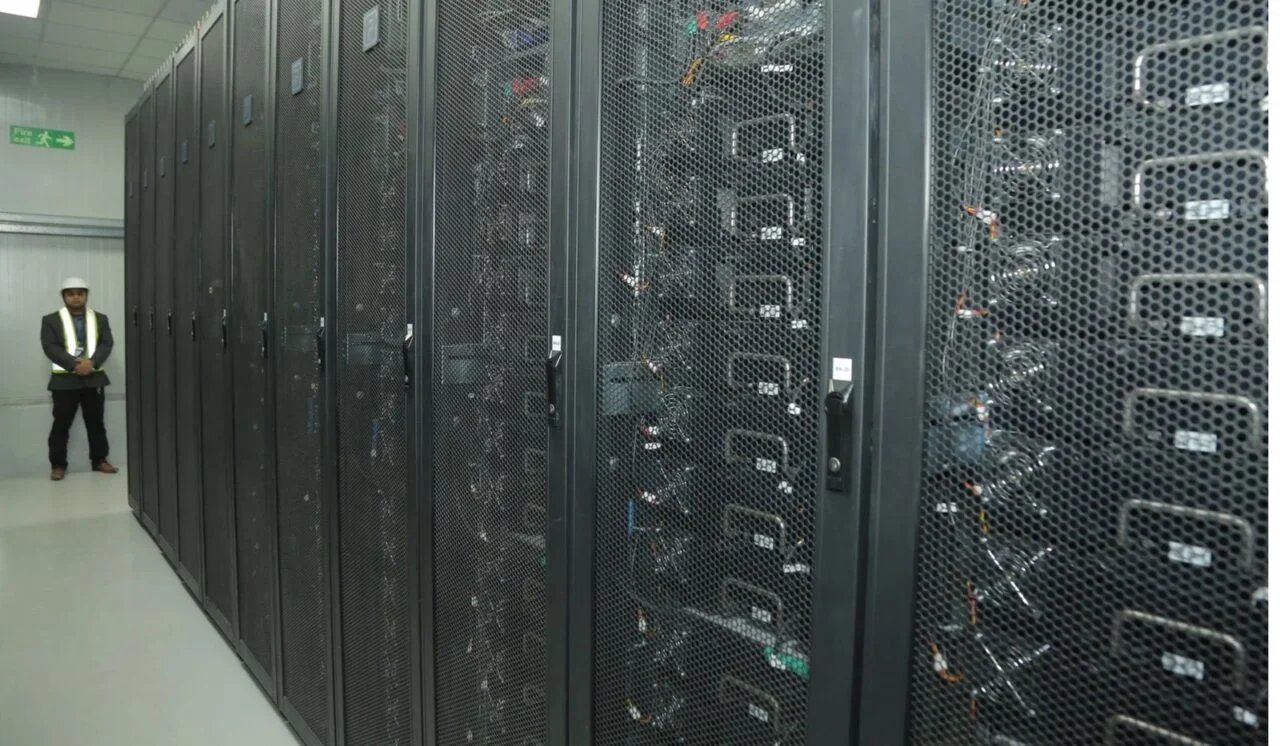
As the country faces a future where electrification of transportation and the expansion of energy-intensive data centers continue to drive consumption, the pressure on policymakers to modernize the grid is mounting. Experts agree that the next phase of India’s energy transition must shift its focus from “how much we produce” to “how we manage and store what we produce.”
Amid this critical juncture in the nation’s development, India’s power demand remains a central narrative for both environmental sustainability and economic stability, highlighting the stark reality that without smarter infrastructure, the country’s green potential may continue to go to waste.