







India’s Supreme Court Issues Landmark Directive to Protect Critical Elephant Corridors
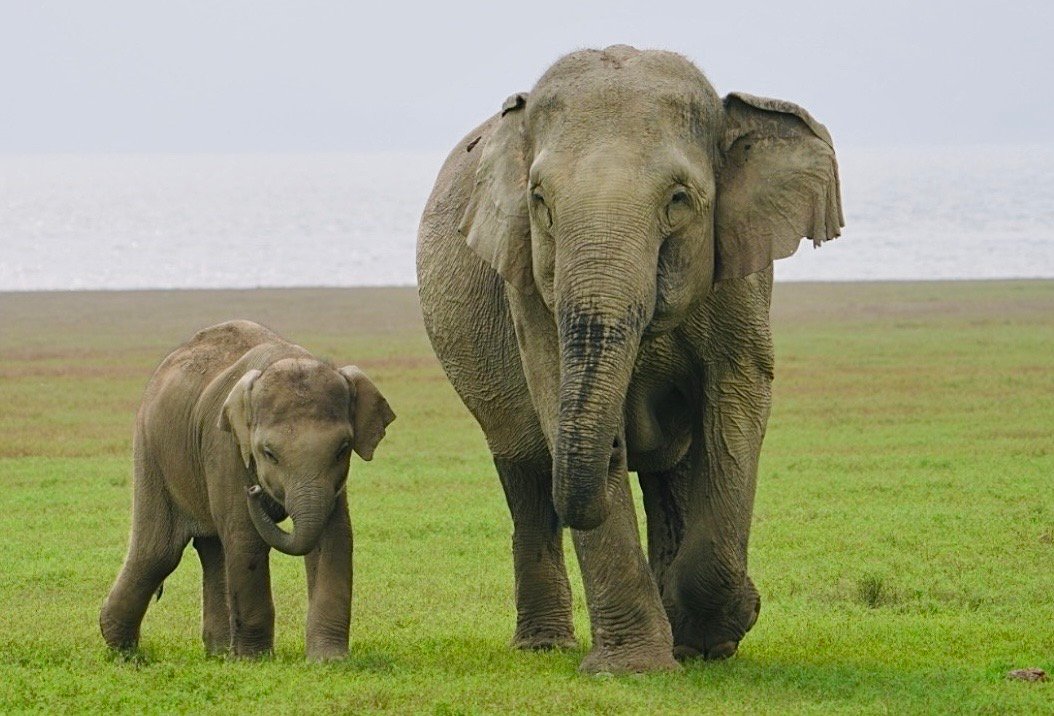
In a significant victory for wildlife conservation, India’s Supreme Court has intervened to safeguard the future of the nation’s wild elephant populations. On August 17, the Court issued a directive to the Union government, mandating a comprehensive, nationwide survey of elephant corridors—the essential pathways that allow these majestic animals to traverse their ancestral habitats to find food, water, and shelter.
A Mandate for Safe Passage
The judicial directive is part of a broader push to ensure that these vital passages are not obstructed. Crucially, the Supreme Court ruled that elephant corridors cannot be blocked or restricted due to complaints regarding human-animal conflict, such as property damage or the destruction of crops.
The Court has ordered the government to submit a detailed report outlining active measures being taken to prevent obstructions. Furthermore, the report must specifically address the prevalence of inhumane deterrents used against elephants, such as the use of fireballs, flaming torches, and firearms. For years, animal welfare organizations and conservationists have documented the devastating effects of these practices, which frequently lead to injuries, trauma, or death for elephants forced into closer proximity to human settlements due to habitat fragmentation.
A Reaffirmation of Conservation Goals
This legal milestone follows closely on the heels of World Elephant Day, observed on August 12. During the global event, India reaffirmed its dedication to preserving its elephant population, which is currently supported by 33 Elephant Reserves across 14 states and 150 scientifically validated corridors.
Union Minister for Environment, Forest and Climate Change, Bhupender Yadav, emphasized the interconnectedness of human and elephant survival, stating, “When we secure the future of elephants, we secure our forests, biodiversity and ecological heritage.”
Echoing these sentiments, Union Minister of State for Environment, Forest and Climate Change, Kirti Vardhan Singh, described elephants as the "engineers of the ecosystem," noting their critical role in seed dispersal and maintaining environmental equilibrium.
Moving Toward Long-Term Coexistence
The fragmentation of landscapes remains one of the greatest threats to Asian elephants. As traditional migration routes are lost to infrastructure and human development, the resulting "human-elephant conflict" has become a growing humanitarian and ecological crisis.
By enforcing the integrity of these routes, the Supreme Court is taking a vital step toward a more sustainable future. By prioritizing the protection of elephant corridors, authorities aim to reduce the frequency of dangerous encounters and ensure that India’s gentle giants can roam their historic ranges without the constant threat of violence, helping both the animals and the rural communities that share the land with them thrive together.