







Delhi Under Siege: Security Lockdown Imposed Ahead of Youth Protest Against Election Commission
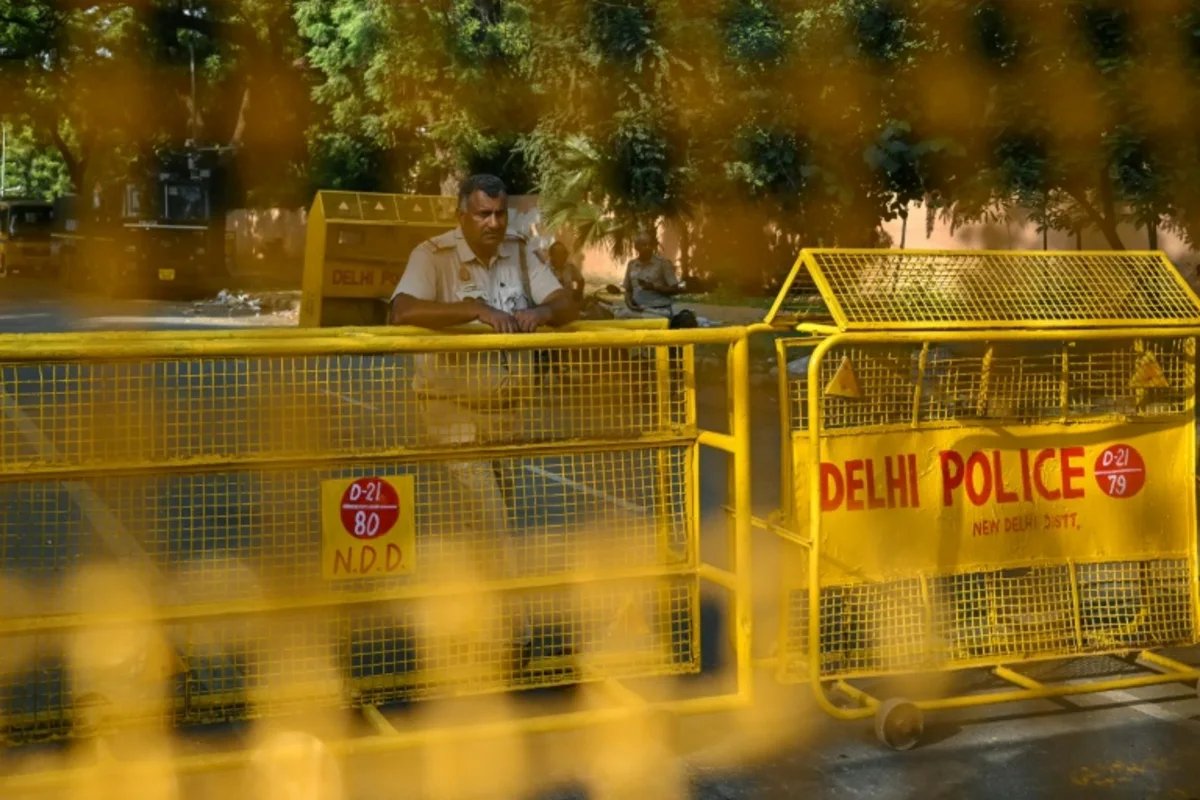
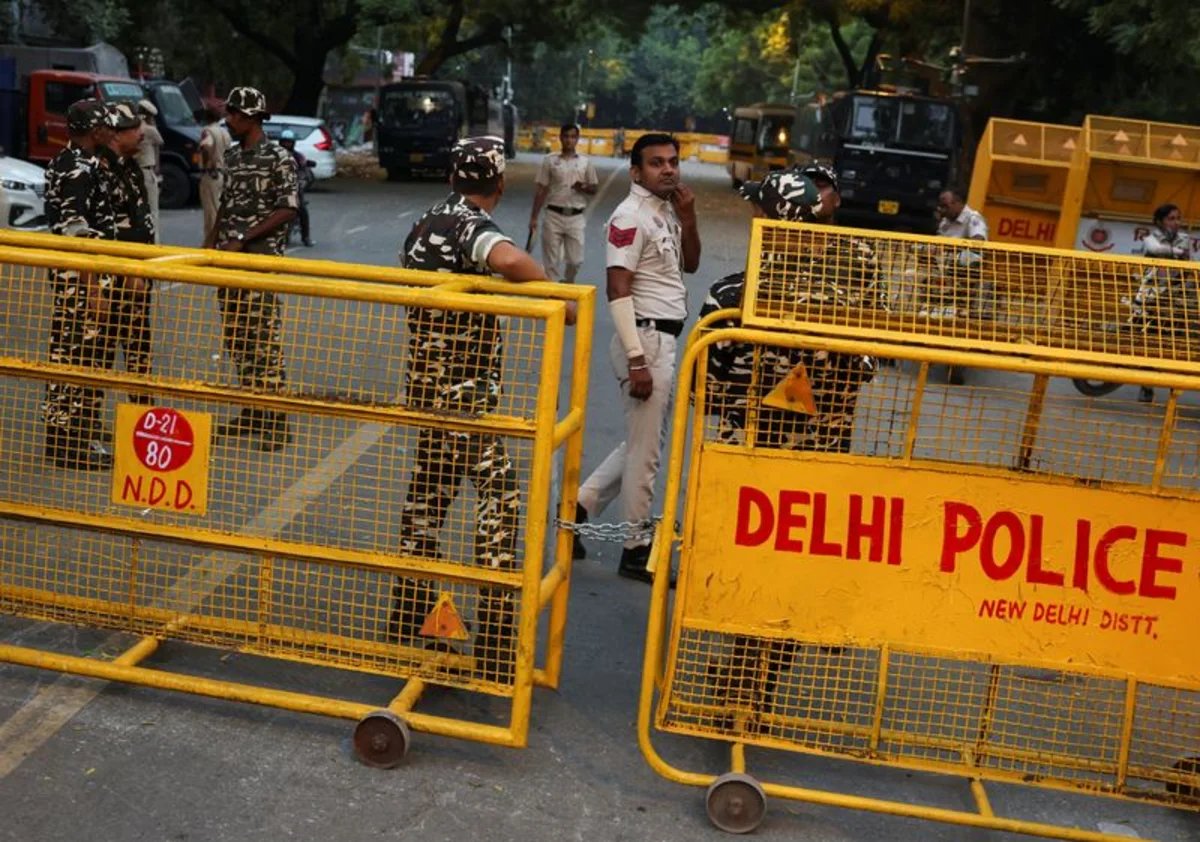
New Delhi — The national capital has been transformed into a fortress as authorities scramble to contain a growing wave of dissent directed at the Election Commission of India (ECI). Heavy security cordons, barricades, and massive deployments of paramilitary forces have paralyzed movement in central Delhi, as reports circulate of a large-scale youth-led demonstration targeting the office of the Chief Election Commissioner.
A City Under Siege
Police have issued prohibitory orders under Section 144 of the CrPC, effectively banning large gatherings across sensitive zones, including the areas surrounding Jantar Mantar and the ECI headquarters. By Thursday morning, major arteries connecting the capital were choked with checkpoints, leading to massive traffic snarls that left commuters stranded.
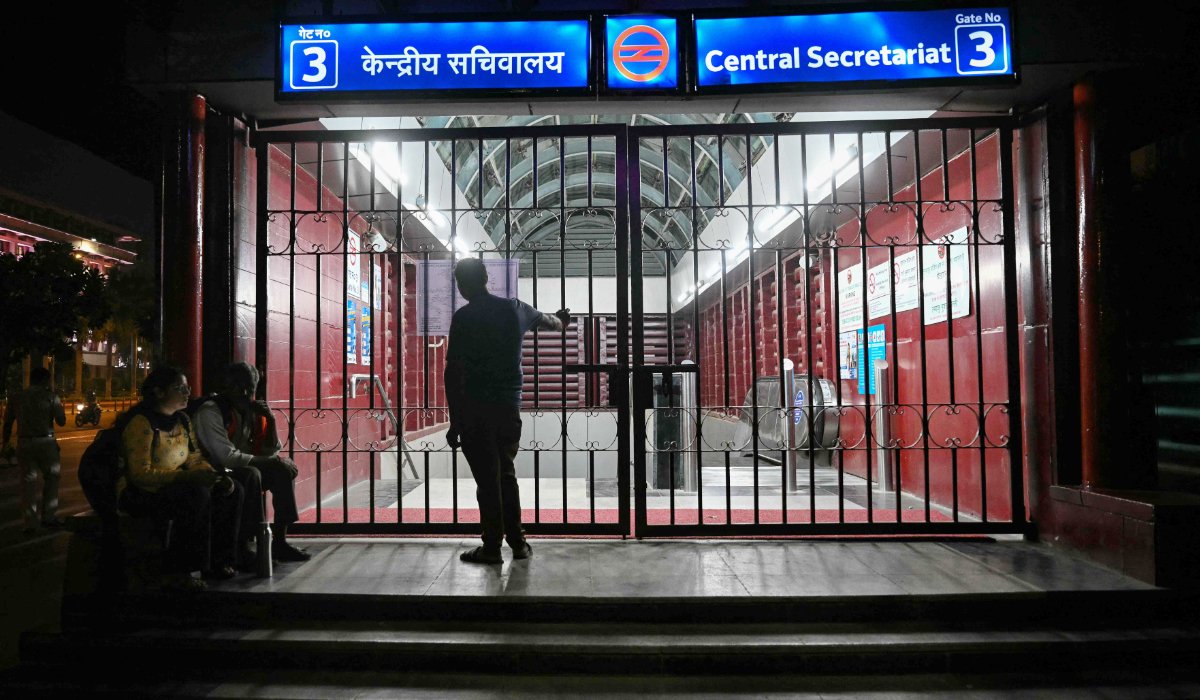
Multiple metro stations in the vicinity of the protest hotspots have been ordered to suspend operations, a standard precautionary measure often employed by the Delhi Police to prevent protesters from converging on key government installations. The heavy-handed security measures underscore the mounting anxiety within the administration regarding the potential for civil unrest.
The Core of the Conflict
The protest, organized by a coalition of student bodies and youth activists, is primarily aimed at demanding greater transparency in the electoral process. The demonstrators have expressed deep skepticism regarding the integrity of Electronic Voting Machines (EVMs) and have called for a more robust verification process involving Voter Verifiable Paper Audit Trails (VVPATs).
“We are here to safeguard the sanctity of the ballot,” stated one student leader, who claimed that the current leadership of the Election Commission has failed to address legitimate concerns raised by political parties and civil society organizations. “When the youth lose faith in the democratic process, the very foundation of the nation is at risk. We are demanding answers, not silence.”
The grievances stem from a series of controversies that have dogged recent state elections, fueling rumors and distrust among the younger demographic. While the ECI has repeatedly maintained that the voting systems are tamper-proof and mathematically secure, critics argue that the commission has been dismissive of suggestions to increase the physical audit of votes.
Escalating Tensions
The government’s decision to clamp down on the demonstration has drawn sharp criticism from political opposition parties. Many have labeled the move as an “unconstitutional suppression of dissent,” arguing that the youth have a fundamental right to hold constitutional bodies accountable.
“Barricading the capital to silence the voices of the youth is not an act of governance; it is an act of fear,” said a spokesperson for an opposition party during a brief press interaction near the border of the restricted zone. “Instead of barricades, the ECI should provide clarity. Democracy thrives on dialogue, not on police batons.”
As the afternoon progressed, reports of minor scuffles began trickling in from outer neighborhoods where small groups of protesters attempted to circumvent the police blockade. Security personnel have remained on high alert, utilizing drones and CCTV surveillance to monitor the situation.
As of late evening, the standoff continues. With the government showing no sign of relaxing security measures and the protesters vowing to hold their ground, Delhi remains on edge. The incident highlights a widening rift between the institutions of power and a tech-savvy, hyper-aware younger generation determined to challenge the status quo.
Disclaimer: This content is auto-generated for informational purposes only.
Source: Read Original News