



Tensions have reached a boiling point within the corridors of Indian sports administration as the International Olympic Committee (IOC) has issued a stern, unequivocal rebuke regarding the crumbling state of the Indian Olympic Association (IOA) electoral process. In a move that signals deep international concern, the IOC has stepped into the fray, warning that the recurring disputes and allegations of impropriety are actively damaging the reputation of the Olympic movement within the country.
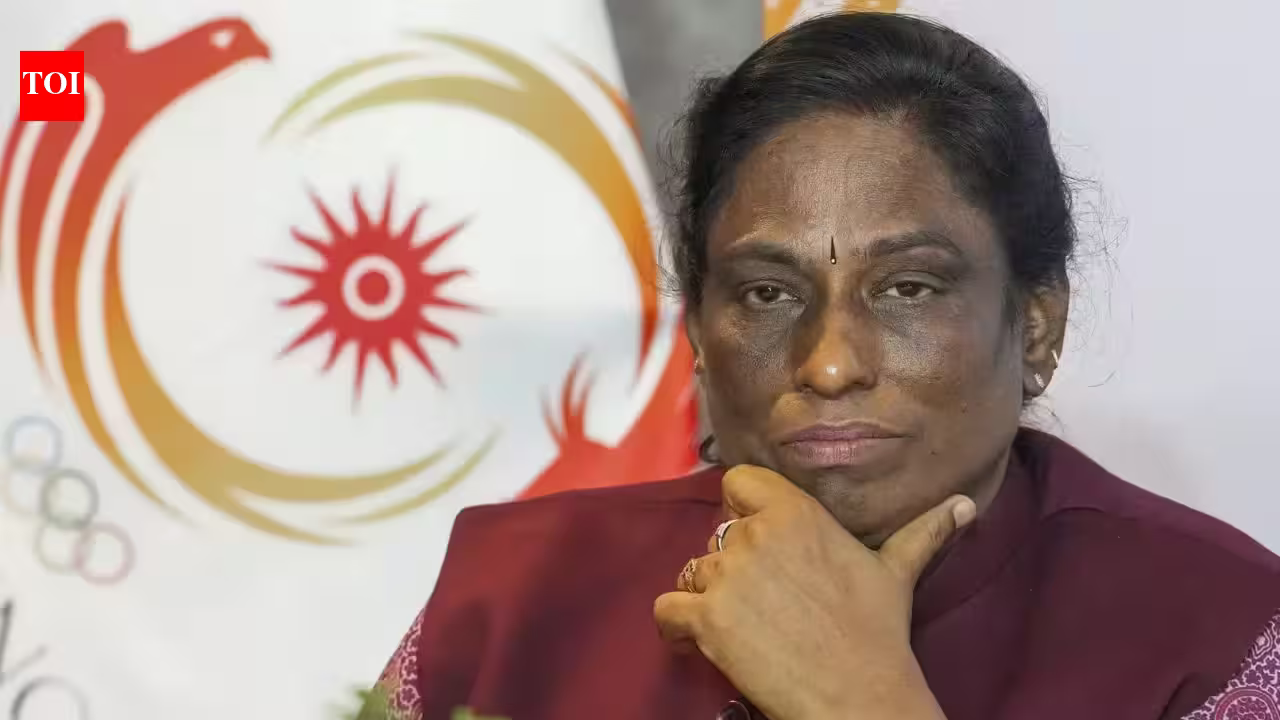
The warning comes directly from the top, following a formal communication from IOA President PT Usha to IOC President Kirsty Coventry. Usha, the legendary athlete turned administrator, had sounded the alarm regarding the Sportspersons of Outstanding Merit (SOM) election held on November 9, citing a litany of procedural irregularities that she believes compromised the integrity of the ballot.
A Rebuke from the Global Stage
In an exclusive communication obtained by press reports, James Macleod, the IOC’s Director of NOC Relations, Olympic Solidarity, and Olympism365, delivered a blistering critique of the IOA’s current trajectory. Writing with an unambiguous tone of frustration, Macleod addressed the IOA leadership—with copies marked to IOC member Nita Ambani and the Olympic Council of Asia—making it clear that the patience of the international body is wearing thin.
“The IOC is very disappointed to note that, once again, issues and disputes seem to have resurfaced in the conduct of the IOA election process,” the letter stated. The IOC highlighted that years of effort invested in building a robust governance framework for the IOA—aligned with the Olympic Charter and global principles of good governance—are being undermined by internal power struggles. Most pointedly, the letter warned that this “extremely regrettable situation” is casting a long, dark shadow over the operations and reputation of the Olympic movement in India.
The Core of the Controversy
The friction centers on the November 9 SOM elections, in which PT Usha finished fifth in a six-way contest for four spots. However, Usha’s grievance extends far beyond her personal loss. Her three-page submission to the IOC outlined a disturbing pattern of behavior, including coordinated campaigning by incumbent officials, the circulation of WhatsApp messages soliciting specific votes, and, perhaps most alarmingly, suggestions of external interference, including references to the sports ministry in what was supposed to be a private, secret ballot process.
Usha has maintained a firm stance: her complaint is not about the result, but about the preservation of the IOA’s autonomy. She questioned the handling of multiple representations submitted to electoral officer Sanjay K. Srivastava, arguing that if the electoral process is not transparent and independent, the entire foundation of the organization is at risk.
Pressure Mounts Ahead of December 5
With the crucial executive council elections slated for December 5, the IOC’s intervention could not have come at a more critical juncture. By demanding that the IOA and its electoral officer ensure strict compliance with the Olympic Charter and the IOA Constitution, the IOC has effectively put the Indian administration on notice.
“We urge the IOA and the Electoral Officer directly responsible for the IOA election process to ensure that the IOA elections can be conducted in full compliance with the Olympic Charter, the IOA Constitution, and all applicable rules, in a free and fair manner and without any external interference,” Macleod wrote. The message is clear: the international community is watching, and they are not interested in excuses regarding internal politics.
The IOC’s demand for the IOA to report back and ensure that government authorities are kept in the loop suggests that the world body is no longer willing to let domestic administrative squabbles go unaddressed. The request for “collaboration” is a diplomatic way of stating that further escalations will not be tolerated.
What Lies Ahead for Indian Sports?
The fallout from these allegations has reignited the national conversation regarding whether the IOA should be subjected to oversight by a truly independent body. With thousands of stakeholders already voicing their opinions through public polls and social discourse, the consensus seems to be shifting toward the need for systemic change.
For the IOA, the clock is ticking. The December 5 elections are no longer just an internal administrative exercise; they are a litmus test for the association’s credibility on the global stage. If the IOA fails to provide a transparent, fair, and interference-free voting environment, the fallout could be catastrophic for Indian sports officials.
As the sporting community looks toward December 5, one thing is certain: the era of business as usual at the IOA has come to an abrupt end. The world is watching to see if the organization can clean house before the reputational damage becomes irreversible. PT Usha has drawn a line in the sand, and the IOC has backed it—now, the onus is on the IOA to prove that it can adhere to the principles of the movement it represents.
Disclaimer: This content is auto-generated for informational purposes only.
Source: Read Original News