







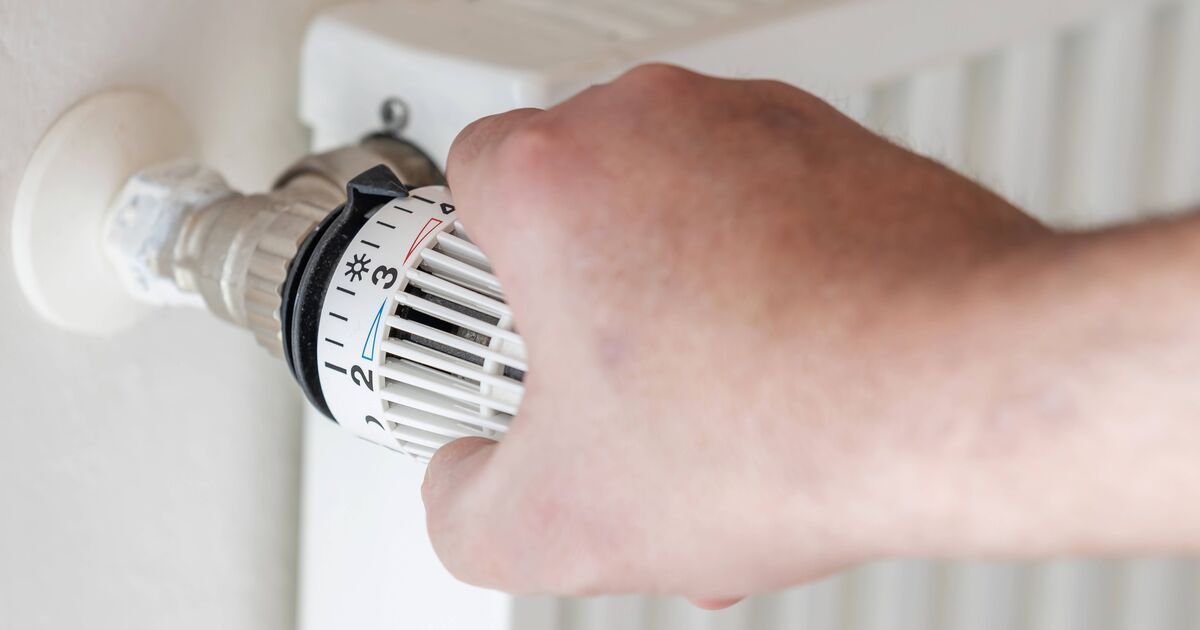
There is perhaps nothing more disheartening than waking up on a frosty morning, reaching for a cozy sweater, and realizing your home feels more like a walk-in freezer than a sanctuary. When the temperature outside dips into the single digits, your heating system becomes the most important feature in your house. Before you reach for the phone to dial a plumber—often at a premium cost—it is worth remembering that heating systems are generally straightforward machines. Most of the time, a lukewarm radiator is just begging for a bit of simple maintenance rather than a total overhaul.
Clear the Path for Convection
The most frequent culprit for a chilly room is surprisingly simple: clutter. We are all guilty of tucking a bookshelf a little too close to the wall or letting a heavy curtain drape over the top of a radiator to hide it. However, radiators rely on the principle of natural convection to function. Cold air is pulled in from the floor, heated as it passes through the metal fins, and then released out the top as warm air. If you block this airflow with furniture, drying racks, or thick curtains, you are effectively cutting off your room’s heat supply.
Take a few minutes to inspect each unit in your home. Ensure there is a gap of at least a few inches between the radiator and any large items. Additionally, keep an eye on dust buildup. A thick layer of lint and household fluff sitting between the fins acts like a blanket, trapping the heat where you do not want it. A quick vacuum or a specialized long-reach duster can work wonders for your energy efficiency.
Master the Art of Bleeding
If you find that your radiator is nice and toasty at the bottom but ice-cold at the very top, you have a classic case of trapped air. Over time, air bubbles can find their way into your heating system. Because air does not carry heat as effectively as water, this pocket prevents the hot liquid from filling the entire unit, leaving you with a radiator that is only working at half capacity.
Bleeding a radiator is a rite of passage for every homeowner, and it is much easier than it sounds. You will need a radiator key—which is a small, inexpensive tool found at any hardware shop—and a towel or rag to catch any drips. First, turn off your heating and let the system cool down completely to avoid burns. Locate the bleed valve at the top corner of the unit, insert your key, and turn it slowly counter-clockwise. You will hear a hissing sound as the air escapes. Once the hissing stops and a steady stream of water starts to trickle out, tighten the valve back up. Your radiator should start heating evenly once the system is back on.
Address the Hidden Sludge
Sometimes the problem is the exact opposite of trapped air: a radiator that feels warm at the top but remains cold at the bottom. This usually indicates that the unit is struggling with sediment. Over several years, a mixture of rust, dirt, and limescale can build up inside your heating system. This debris naturally settles at the lowest point, which is why the bottom of the unit ends up cold.
If ignored, this buildup can strain your boiler and lead to more expensive repairs down the road. While deep cleaning a system full of sludge might eventually require professional intervention or a power flush, keeping an eye on this early can save you significant trouble. If you notice your radiators are consistently cold at the bottom, it is a sign that your system needs a thorough cleaning to restore the flow of hot water. Keeping the water in your pipes clean and free-flowing is the best way to ensure your home stays comfortable throughout the peak of winter.
Simple Habits for a Cozier Home
Staying warm during the winter should not be a complex chore. By practicing these three habits—keeping the area clear, bleeding the trapped air, and monitoring for sludge—you can manage your indoor climate effectively. Not only will these steps keep your living space at a pleasant temperature, but they also prevent your boiler from working harder than it needs to. Efficient radiators mean you spend less on energy bills and more time enjoying the comfort of your home. A little attention to detail goes a long way, and your future, warmer self will thank you for the extra effort spent on basic maintenance.
Disclaimer: This content is auto-generated for informational purposes only.
Source: Read Original News