





The relentless march of consumerism, a defining characteristic of our modern global economy, prompts a deeply unsettling question: is there an inevitable endpoint where the sheer volume of manufactured goods overwhelms the very physical space of our planet? This isn’t merely a philosophical musing; it’s a pressing concern that reflects the ever-accelerating pace of production and consumption. Alex Robinson from Alnwick, Northumberland, astutely encapsulates this anxiety by asking if we are hurtling towards a future where the Earth is literally filled to capacity with the accumulated detritus and products of human industry.
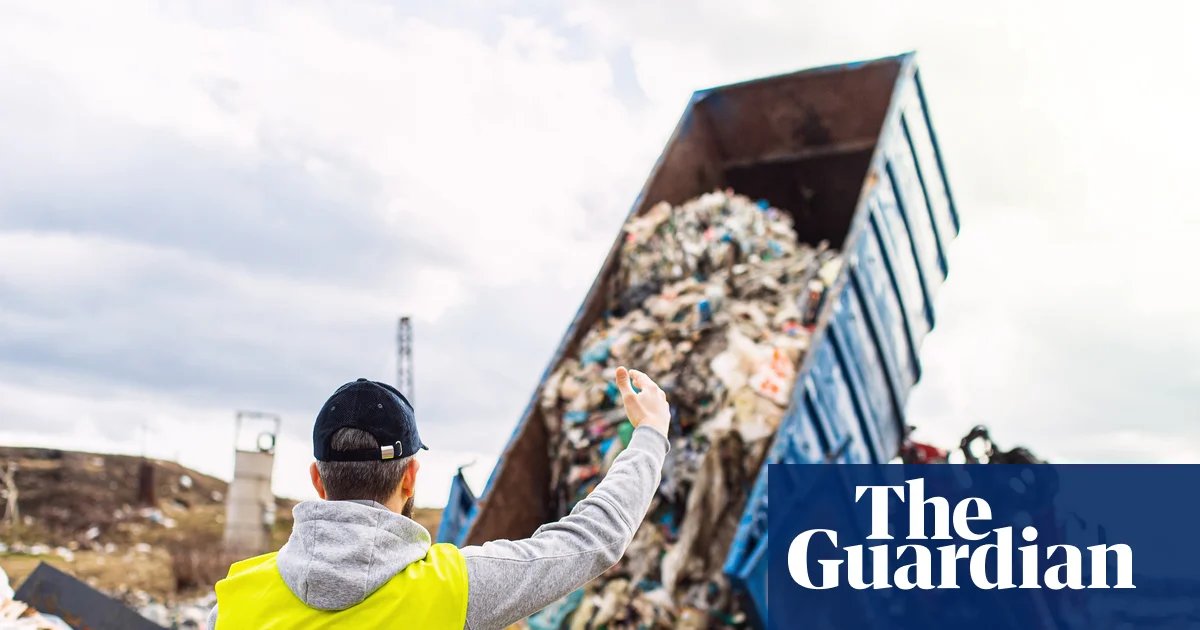
The query delves into the sustainability of our current economic model, which often prioritizes endless growth and the constant generation of new goods. From fast fashion to disposable electronics, the lifecycle of many products is intentionally brief, designed to encourage repeated purchases. This cycle generates enormous quantities of waste, much of which ends up in landfills, oceans, or simply discarded, contributing to an ever-growing physical footprint. Even products that are not immediately discarded still occupy space in homes, warehouses, and shipping containers, hinting at a future where our possessions begin to displace other critical uses of land. The implication is that our relentless pursuit of material accumulation might one day leave no room for natural ecosystems, biodiversity, or even our own habitation, fundamentally altering the life-style of future generations.
This thought-provoking question invites a broader discussion about resource depletion, environmental degradation, and the long-term viability of a society predicated on endless consumption. It challenges us to consider whether our planet, with its finite resources and limited geographical expanse, can indefinitely absorb the output of an economic system that thrives on generating ever more “stuff.”