







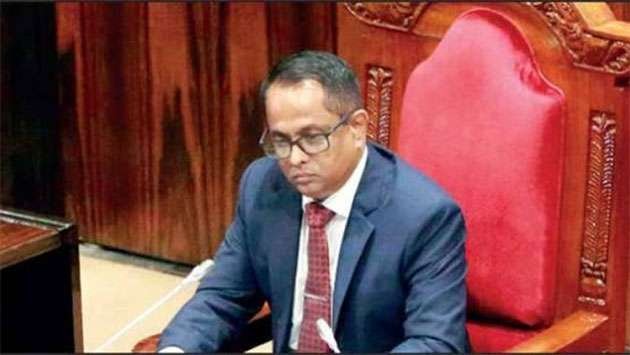
COLOMBO – Sri Lanka’s legislative agenda faced a major hurdle on Monday as Speaker Jagath Wickramaratne announced that a barrage of legal challenges has been filed against two of the government’s most controversial proposed pieces of legislation.
The Supreme Court is set to begin a rigorous review of both the “Protection of the State from Terrorism Bill” and the “Sri Lanka Cricket Bill” following a wave of petitions that have flooded the parliamentary registry. According to official figures released by the Speaker, 36 separate petitions have been lodged challenging the constitutionality of the proposed anti-terrorism law, while another 33 petitions have been filed to contest the Sri Lanka Cricket Bill.
The proposed Protection of the State from Terrorism Bill has been a focal point of intense national and international debate for months. Human rights organizations, legal experts, and civil society groups have expressed grave concerns that the legislation, which is intended to replace the existing Prevention of Terrorism Act (PTA), grants overly broad powers to law enforcement and the state. Critics argue that the bill’s current framework lacks sufficient judicial oversight and could be weaponized to suppress dissent, threaten media freedom, and violate fundamental human rights. The record number of petitions reflects a deep-seated apprehension that the new law may fail to align with democratic standards and constitutional protections.
Simultaneously, the Sri Lanka Cricket Bill has ignited its own firestorm of controversy. The sports administration landscape in the country has been mired in political interference allegations and governance disputes for years. The proposed bill, which aims to restructure the management of the sport, has faced stiff resistance from various stakeholders, including sports officials and legal advocates who fear that the legislation could lead to increased political control over the country’s most popular sport. The 33 petitions filed against the bill highlight significant concerns regarding the autonomy of sports bodies and the potential for the government to bypass established institutional checks and balances.
The dual legal challenges present a significant administrative and political challenge for the government. With a combined 69 petitions now headed to the Supreme Court, the government’s efforts to push these bills through the legislature will be forced to stall until the judiciary delivers its determinations. The Court will now examine the language and intent of the proposed laws to ensure they do not contravene the Constitution.
Legal analysts suggest that the court’s rulings could necessitate substantial amendments to both bills if they are to pass without requiring a two-thirds majority in Parliament or a national referendum. As the country awaits the judiciary’s verdict, the developments serve as a stark reminder of the mounting tensions between the government’s push for systemic reform and the public’s insistence on the protection of democratic safeguards.
Disclaimer: This content is auto-generated for informational purposes only.
Source: Read Original News