








Looking Back: How Apple Gradually Perfected the Apple TV Streaming Experience
As we look toward the future of technology, it is often instructive to look back at the milestones that shaped the devices we use today. To celebrate this, we are launching a new editorial series titled “Apple a Day.” Running daily through late September, this series will curate essential archives, expert reviews, and video content from across our network, including contributions from PCMag, Mashable, Lifehacker, and Popular Science.
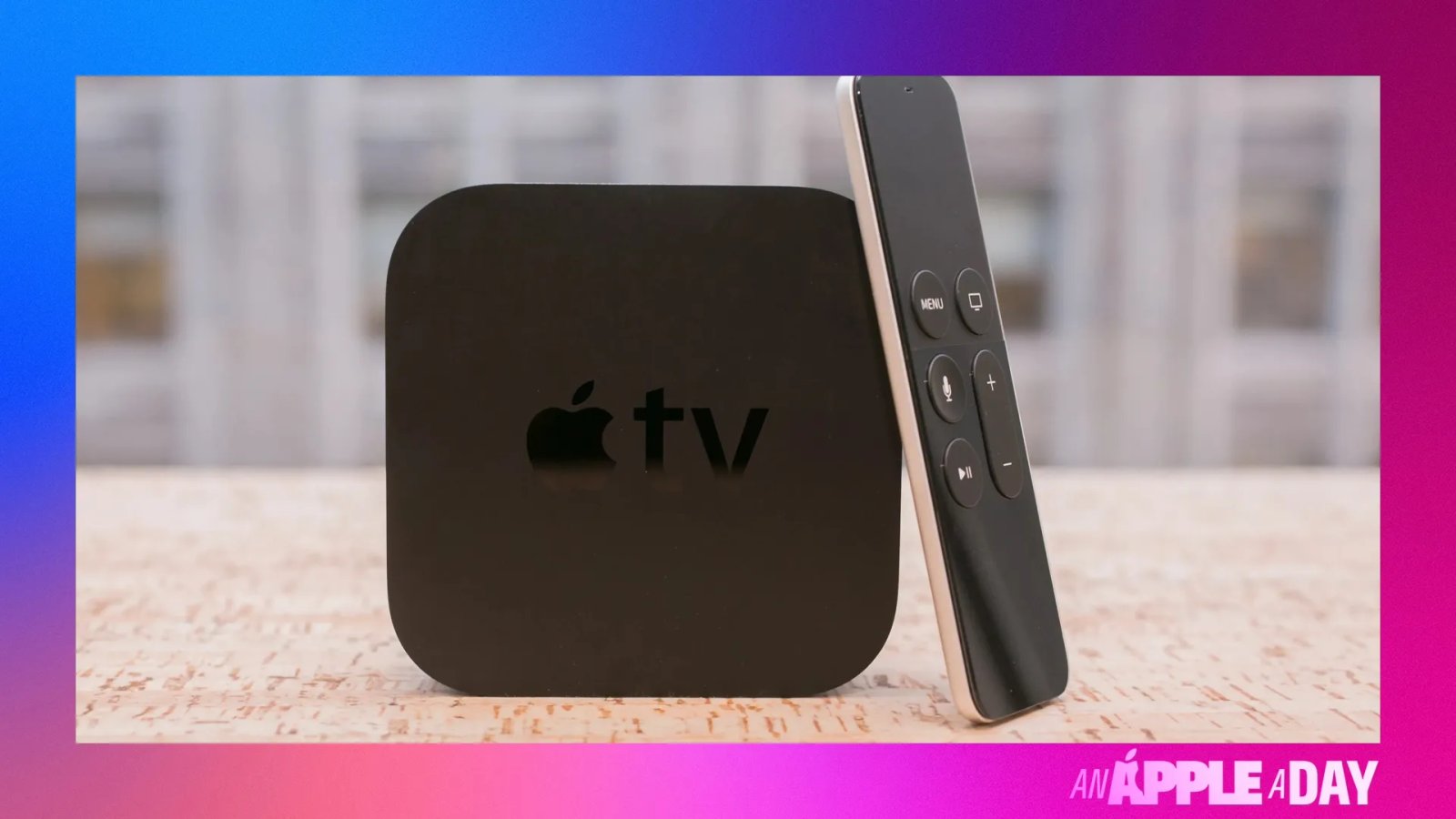
For our inaugural installment, we are revisiting one of the most polarizing yet enduring products in the company’s ecosystem: the Apple TV.
A Legacy of Evolution
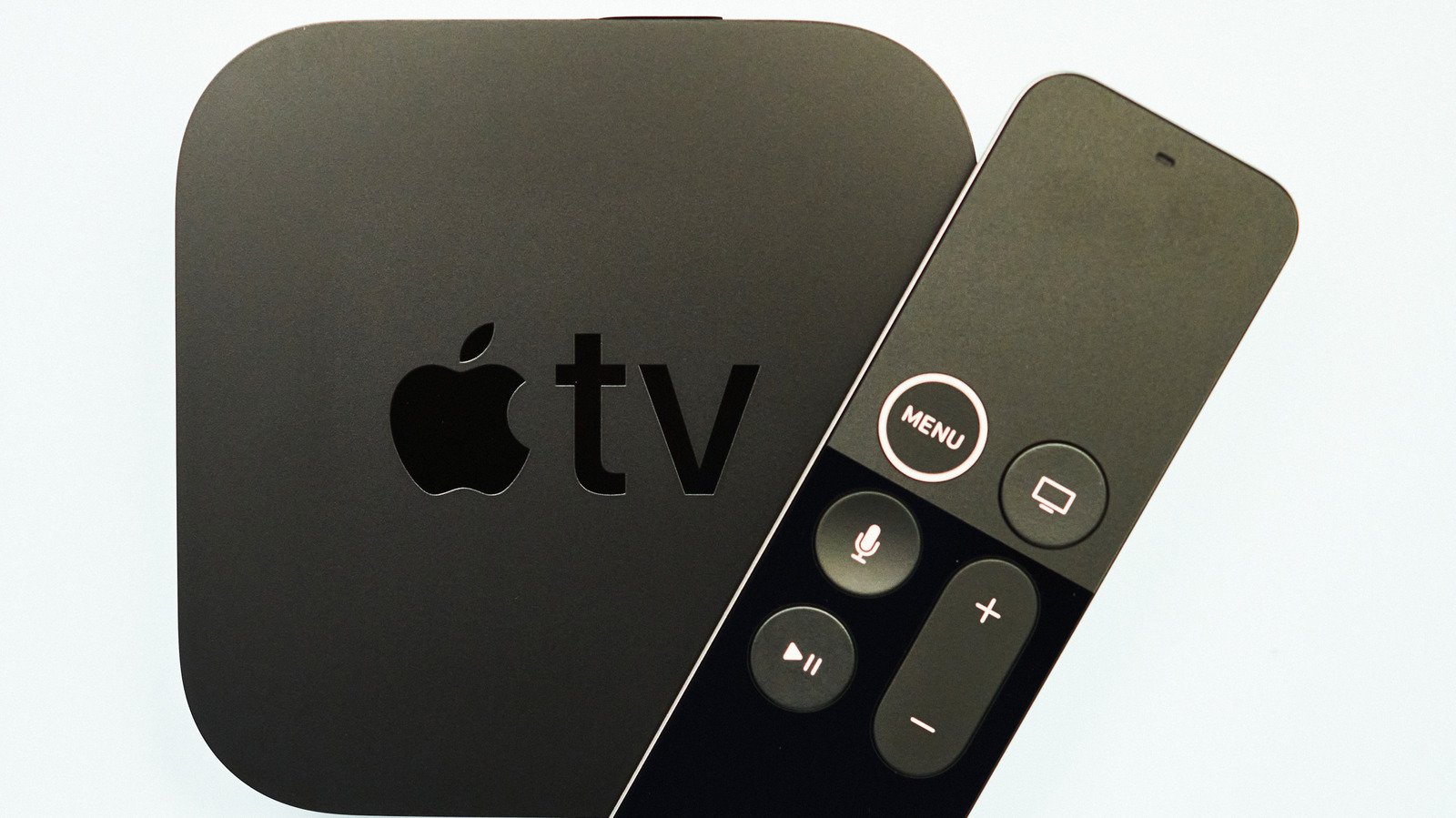
Longtime observers of the tech industry—like CNET Editor in Chief David Katzmaier—have had a front-row seat to the transformation of the Apple TV. Having covered the device since the launch of the Apple TV HD in 2015 and the subsequent Apple TV 4K in 2017, Katzmaier has tracked the device’s steady ascent from a “niche hobby” to a powerful home entertainment hub.
In the early days, critics often labeled these units as “overpriced” streamers, prompting intense debate over what the hardware truly needed to compete with the likes of Roku and Amazon Fire TV. This frustration culminated in a 2017 editorial titled 7 Ways Apple TV Can Get Better, a piece that laid out a roadmap for how Cupertino could truly “take over the living room.”
The “Wishlist” That Became Reality
Interestingly, time has proven the efficacy of those critiques. Over the subsequent years, Apple systematically addressed almost every pain point highlighted in that original wishlist:
- Expanded Ecosystem: Apple eventually brought long-awaited services like Amazon Prime Video to the platform.
- Technical Benchmarks: The rollout of 4K support cemented the device’s place in high-end home theaters.
- Unified Control: Apple expanded the capabilities of the Siri Remote to act as a more robust controller for televisions and external sound systems.
- The Final Piece: Perhaps most notably, it took Apple eight years to listen to user feedback and finally integrate “Find My” remote functionality via tvOS 17, allowing users to track down their lost clickers with the same ease as an AirTag.
The One That Got Away
While Apple has checked off six out of seven items from that 2017 “wishlist,” one remains outstanding: the inclusion of an optical audio output. Given the industry’s shift toward HDMI eARC and wireless standards, it is safe to assume that this particular hardware port is a relic of the past that will never return.
As we continue the “Apple a Day” series, we invite you to revisit these historical deep dives. They offer more than just a trip down memory lane—they provide a fascinating look at the iterative process that defines modern hardware design.
Want to see the original blueprint for these changes? You can read the full 2017 Apple TV wishlist here.