







The Iztapalapa borough has taken a significant step toward urban sustainability by inaugurating its first permanent collection center dedicated exclusively to flexible plastic packaging. Located at the Iztapalapa Cultural Center, this initiative represents a collaborative effort between the local government, ALPLA, RECÍCLALO, and ECOCE, aiming to solve a persistent gap in municipal waste management infrastructure.
## Closing the Loop on “Difficult” Waste
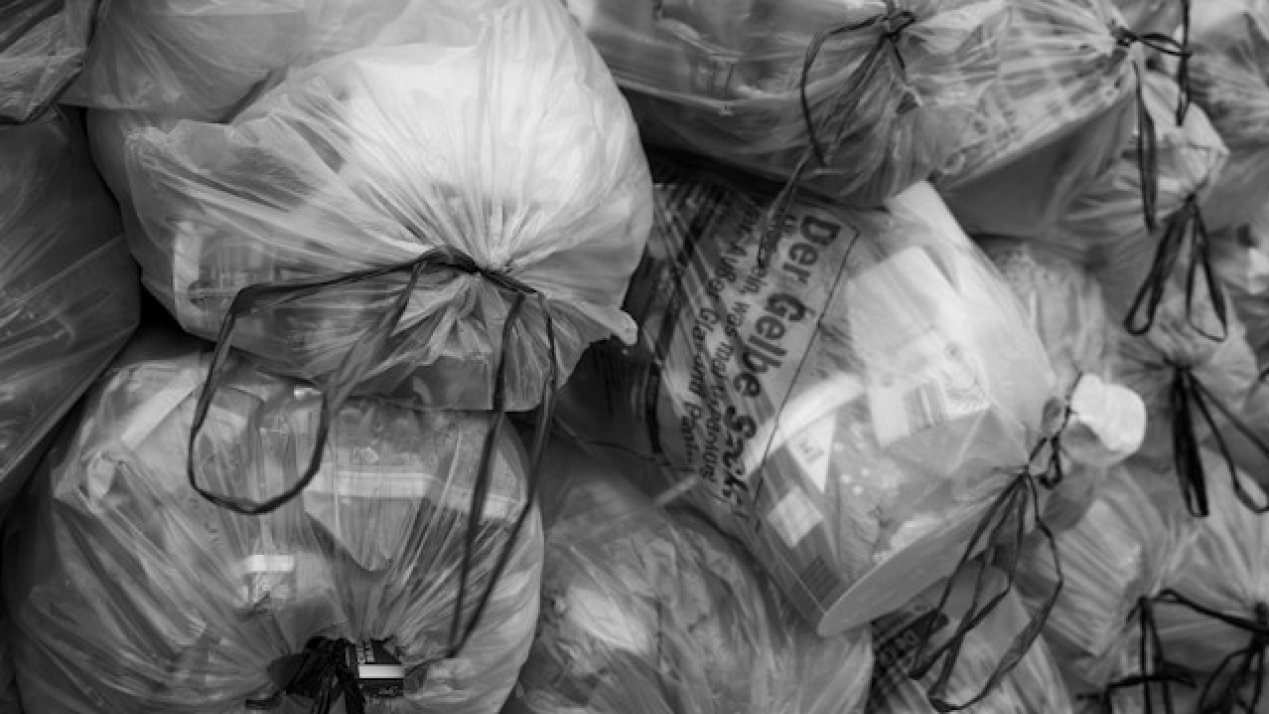
Historically, flexible plastics—such as snack bags, cookie wrappers, and pet food pouches—have been sidelined by traditional recycling programs due to the complexities involved in processing them. While rigid plastics have well-established recycling streams, these “soft” laminates often end up in landfills or polluting natural environments.
The project was born from data gathered during the “EcoCanje” recycling program, where organizers noticed a high volume of flexible packaging being brought in by citizens with no viable end-of-life path. By creating a dedicated facility, the borough now allows residents to deposit these materials in three distinct technical categories: POLI (polyethylene bags), PP (polypropylene wrappers), and MULTI (complex laminates).
“Flexible packaging does not have to be seen as a problem,” says Ana Mejía, Collection Manager at ECOCE. “It represents an opportunity to develop new ways to manage waste, provided we bring infrastructure closer to the people and pair it with environmental education.”
## Tech-Driven Traceability and Data Analytics
To optimize the recovery process, the collection point will employ a data-centric approach. Monthly volume measurements will be taken to evaluate the efficacy of the collection and reduce the amount of waste diverted to landfills. This systematic tracking allows organizers to refine their logistical routes and maintenance schedules, ensuring the initiative functions as a sustainable circular model rather than a symbolic gesture.
The integration of such granular data collection mirrors trends in the broader technology and industrial sectors, where AI and analytical software are increasingly used to track resource flows. By treating waste as an input for a circular economy, the Iztapalapa project aligns with global ESG (Environmental, Social, and Governance) criteria, offering a blueprint for how municipalities can use digital tracking to increase accountability in recycling supply chains.
## A Continental Push for Circular Solutions
The Iztapalapa initiative arrives amidst a larger regional movement to curb the flow of plastics into the oceans. According to the Ellen MacArthur Foundation, flexible plastics constitute approximately 80% of ocean-bound plastic packaging. In Mexico alone, an estimated 1,200 tons of plastic film leak into the environment daily.
To combat this, the Mexico Plastics Pact (PPMX), in conjunction with partners like WWF Mexico, has been scouting for scalable innovation. Recently, five companies—Ecogen (Chile), Ecolana (Mexico), Fundación Todos Somos 1 (Chile), Nextek (UK), and Smart Recycling (Colombia)—were recognized as winners of an innovation challenge. These organizations are pioneering technologies ranging from thermal transformation of sachets to digital logistics platforms that connect waste pickers with end-market recyclers.
By bridging the gap between local infrastructure in Iztapalapa and high-level regional innovation, these stakeholders are working to ensure that materials like snack wrappers are no longer treated as “difficult” waste, but as valuable commodities. As these projects gain traction, they demonstrate that the combination of community-level collection points and advanced supply-chain technology is essential to meeting the UN’s Sustainable Development Goal 12: responsible consumption and production. Through consistent monitoring and public participation, Iztapalapa is setting a standard for modern, data-informed urban waste management.
Disclaimer: This content is auto-generated for informational purposes only.
Source: Read Original News