







Jaishankar to Lead India at Quad and G20 Foreign Ministerial Meets in US
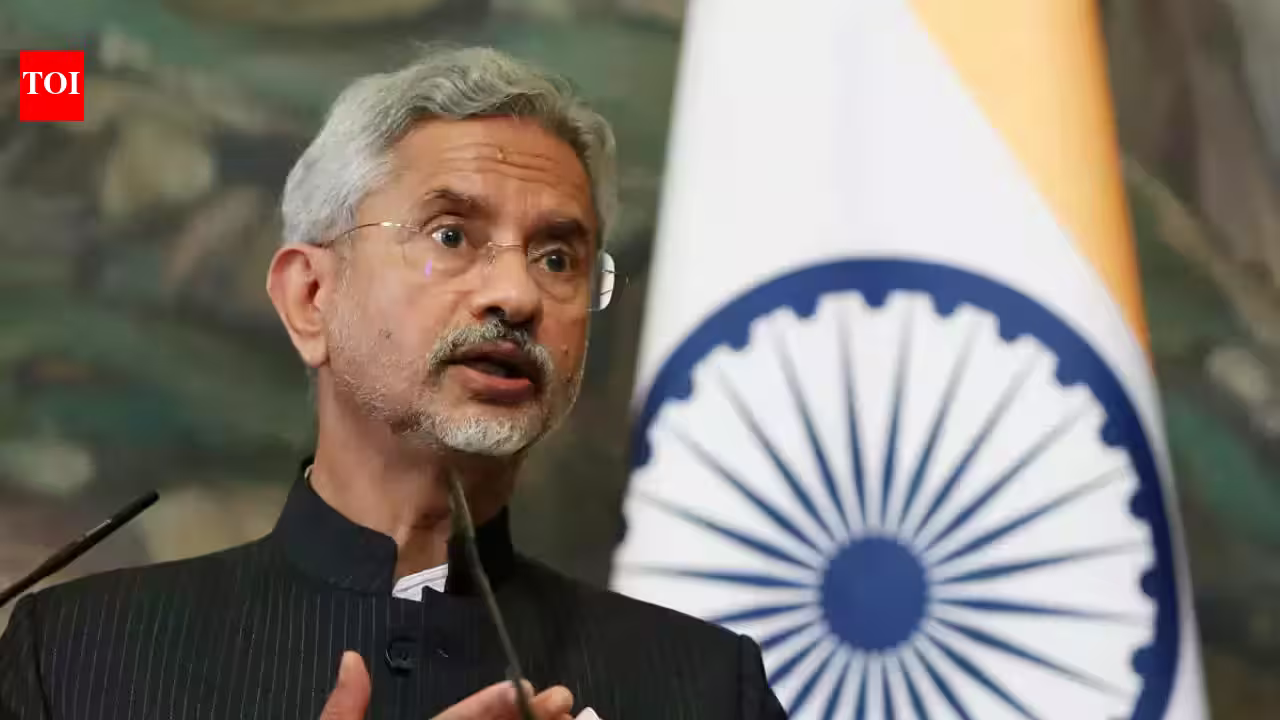
External Affairs Minister S. Jaishankar is set to travel to the United States this week to participate in pivotal diplomatic engagements, including a Quad foreign ministerial meeting. The summit, scheduled to take place in Atlanta on October 30-31, serves as a testament to the enduring strategic partnership among the four member nations—India, the United States, Japan, and Australia—despite recent fluctuations in the bilateral relationship between New Delhi and Washington.
The upcoming gathering, which coincides with a wider G20 ministerial session hosted by US Secretary of State Marco Rubio, represents the second such meeting of the Quad bloc this year. This continued momentum follows the successful assembly hosted by India in May, reinforcing the forum’s commitment to maintaining a free and open Indo-Pacific region.
Setting the Stage for the Leaders’ Summit
A primary objective for the foreign ministers in Atlanta is to finalize the strategic agenda for the highly anticipated Quad leaders’ summit. This summit is currently expected to take place in Manila on November 16, coinciding with the broader ASEAN meetings.
The Manila event is being viewed by geopolitical analysts as a milestone for the grouping. It marks the first time in two years that the Quad heads of state will convene in a formal summit format. Last year’s schedule faced significant hurdles, as diplomatic friction prevented India from acting as the host for the summit. The return to a regularized meeting schedule is seen as a sign that the grouping has moved past those procedural delays and is ready to sharpen its focus on regional security and economic cooperation.
Strategic Timing in the Indo-Pacific
The choice of Manila as the venue for the upcoming summit is laden with diplomatic significance. The Philippines has been at the epicenter of rising maritime tensions, frequently engaging in volatile standoffs with China over territorial waters in the South China Sea. By choosing to hold the summit in the Philippines, the Quad nations are making a symbolic yet clear statement regarding their support for regional stability and adherence to international maritime law.
Furthermore, the timing of the meeting adds another layer of complexity to the regional power dynamic. The summit is slated to occur just days before President Donald Trump’s planned visit to China for the APEC summit. Observers are closely watching how these back-to-back high-level diplomatic maneuvers will influence the broader US-China relationship.
For India, participating in these talks remains a high-stakes balancing act. New Delhi continues to prioritize its strategic autonomy while working closely with Quad partners to build a multipolar regional architecture. As Jaishankar prepares to engage with his counterparts, the focus will likely remain on tangible deliverables, such as supply chain resilience, emerging technologies, and maritime domain awareness—the pillars that have anchored the Quad’s identity since its inception.
The Atlanta meetings, therefore, are not merely routine diplomatic sessions; they are the essential groundwork for ensuring that the Quad remains a proactive, rather than reactive, force in the face of an increasingly contested Indo-Pacific landscape.
Disclaimer: This content is auto-generated for informational purposes only.
Source: Read Original News