








The Vulnerability of Tech Giants to Geopolitical Scrutiny
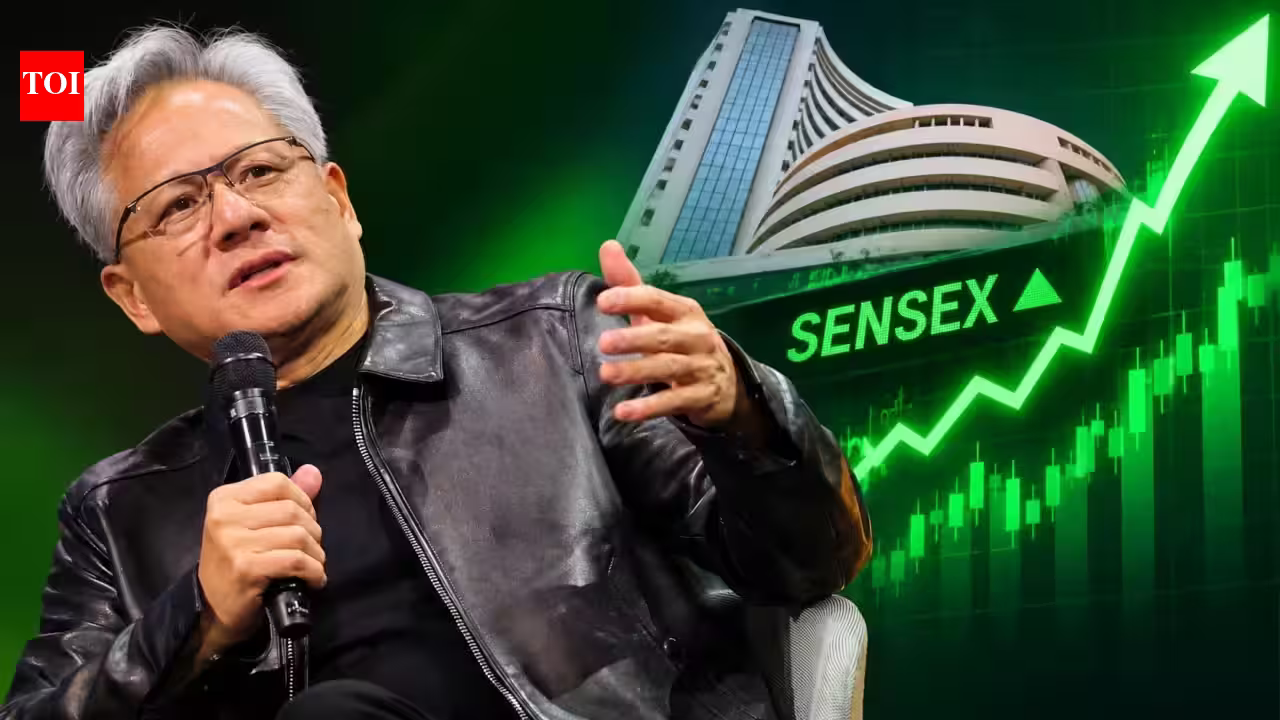
The recent market volatility surrounding Nvidia provides a stark lesson in how modern corporate governance is inextricably linked to geopolitical maneuvering. When Nvidia CEO Jensen Huang’s net worth experienced a contraction of $7.4 billion in a single trading session, the markets were not merely reacting to a personal controversy. Instead, they were pricing in the systemic risk associated with one of the most critical companies in the global artificial intelligence infrastructure. The investigation into Huang’s association with an alleged Chinese intelligence asset underscores the fragile position of US tech leadership in a period of intense global rivalry.
For investors, the situation highlights the danger of “key person risk” within high-growth sectors. As Nvidia has become the primary engine behind the global AI boom, the personal conduct of its leadership has transitioned from a matter of private management to a core element of market stability. When the board of a company worth over $4 trillion announces a formal inquiry into its founder’s associations, the immediate market sell-off is a mechanical response to potential regulatory, legal, and national security repercussions.
Market Realignment and the Cost of Uncertainty
Nvidia’s market capitalization drop, which saw the company shed significant value in mere hours, reflects the sensitivity of the AI sector to supply chain integrity. The allegations involving Alice Huang and the potential circumvention of export controls touch upon a vital nerve for US-based chipmakers. Because Nvidia operates at the intersection of critical national security and commercial dominance, any ambiguity regarding the leakage of technology to restricted regions triggers an immediate downward correction in share price.
In the context of institutional investment, uncertainty is often treated as a liability greater than an identified loss. Even though the Nvidia board stated there is no current evidence that secrets or national security were compromised, the market remains skittish. This demonstrates the “compliance premium” required for companies operating in the semiconductor space. Any deviation from the rigid export protocols established by Washington creates a ripple effect that extends beyond individual stock performance, influencing broader market indexes and the confidence of retail and institutional shareholders alike.
Implications for the Indian Technology Ecosystem
The turbulence at Nvidia has tangible consequences for the Indian business landscape. India has positioned itself as a significant player in the global AI supply chain, with local data centers and technology providers increasingly reliant on the availability and legitimacy of high-end Nvidia hardware. Any disruption in Nvidia’s supply chain, prompted by stricter investigations or shifts in US export policies, directly affects the procurement schedules of Indian cloud service providers and enterprise-grade data centers.
Furthermore, India’s burgeoning AI startup community, which leverages the vast compute power of Nvidia GPUs, faces potential indirect effects. If the investigation leads to a more restrictive global distribution framework or further tightening of semiconductor export controls to maintain security, the cost of scaling AI infrastructure in India may rise. For the Indian market, this serves as a cautionary indicator: dependence on a single dominant global supplier for foundational technology necessitates a more diversified approach toward hardware procurement and, eventually, indigenous technological capacity building.
The Intersection of Politics and Corporate Leadership
The involvement of high-level political figures in defending corporate leadership is a defining feature of contemporary industrial policy. President Donald Trump’s public defense of Jensen Huang, characterizing him as an “honorable” figure, illustrates how closely business success is now tied to political alignment. This creates a complex landscape for shareholders, who must evaluate whether corporate leadership is shielded by political capital or exposed to partisan shifting.
For the global observer, this scenario provides insight into the “techno-nationalism” that currently defines the semiconductor industry. Leaders of AI-centric companies are no longer just business executives; they are viewed as stewards of critical national assets. Consequently, their personal associations are subject to intelligence-level vetting. The fact that US intelligence agencies were reportedly monitoring these relationships suggests that the era of treating CEOs as strictly commercial agents has passed, replaced by a reality where they are effectively part of the national security apparatus.
Future Outlook and Strategic Resilience
As Nvidia prepares for its next quarterly earnings report, the market is bracing for more than just financial figures. The focus will be on the company’s ability to demonstrate that it maintains ironclad control over its distribution channels and high-level relationships. The sheer scale of Nvidia’s revenue—driven by its massive data center business—creates an enormous incentive for foreign entities to attempt to gain influence or access. Ensuring that this revenue growth remains untainted by allegations of intelligence breaches is now the company’s most urgent strategic priority.
The broader lesson for the market is that high-growth sectors are inherently prone to sudden valuation swings when the narrative shifts from profit margins to systemic risk. As investors analyze the “Magnificent Seven” and their performance, the importance of governance, ethical transparency, and geopolitical alignment has reached a new peak. For companies that effectively act as the backbone of the digital economy, the margin for error has effectively disappeared. Moving forward, shareholders will likely demand more rigorous, independent oversight of leadership to prevent the kind of market-destabilizing events witnessed this week. The path to recovery for Nvidia will require not only sustained earnings growth but also a clear signal that the company’s leadership remains strictly aligned with the long-term national security interests of its home market.
Disclaimer: This content is auto-generated for informational purposes only.
Source: Read Original News