







A New Dawn for a Legacy Title
At the conclusion of the 2026 League of Legends World Championship, Riot Games utilized the global stage to announce the most significant transition in the seventeen-year history of its flagship title. Titled New Dawn, this large-scale update is scheduled for a 2027 release, promising a comprehensive reconstruction of the game’s core technical and aesthetic foundations. By targeting a complete overhaul of the client architecture and the iconic Summoner’s Rift map, the developer aims to modernize the experience while securing the title for a multi-generational future.
The announcement served as a statement of intent. As live-service gaming evolves toward greater technical requirements and higher fidelity, maintaining a nearly two-decade-old engine becomes increasingly difficult. By pivoting toward this update, Riot intends to address the technical debt accumulated since the last major client revision in 2016, setting a new standard for performance, stability, and visual output.
Architectural Overhaul of the Game Client
Central to the New Dawn update is the replacement of the existing game client. For many years, the current client—a byproduct of the 2016 architecture update—has faced criticism regarding memory usage, responsiveness, and the integration of modern web technologies. A complete rebuilding of the client implies a move toward a more modular, lightweight framework.
For the player, this shift is expected to manifest as faster load times, a more fluid user interface, and reduced instances of common bugs that have historically plagued the patch-to-patch lifecycle. By decoupling the launcher from the game engine more effectively, Riot can improve patch deployment speed and enhance the stability of the social features. This architectural change is critical for accommodating the “100-year” lifespan envisioned by executive producer Paul Bellezza, ensuring that the software remains compatible with modern hardware standards as they advance throughout the next decade.
Evolving the Summoner’s Rift
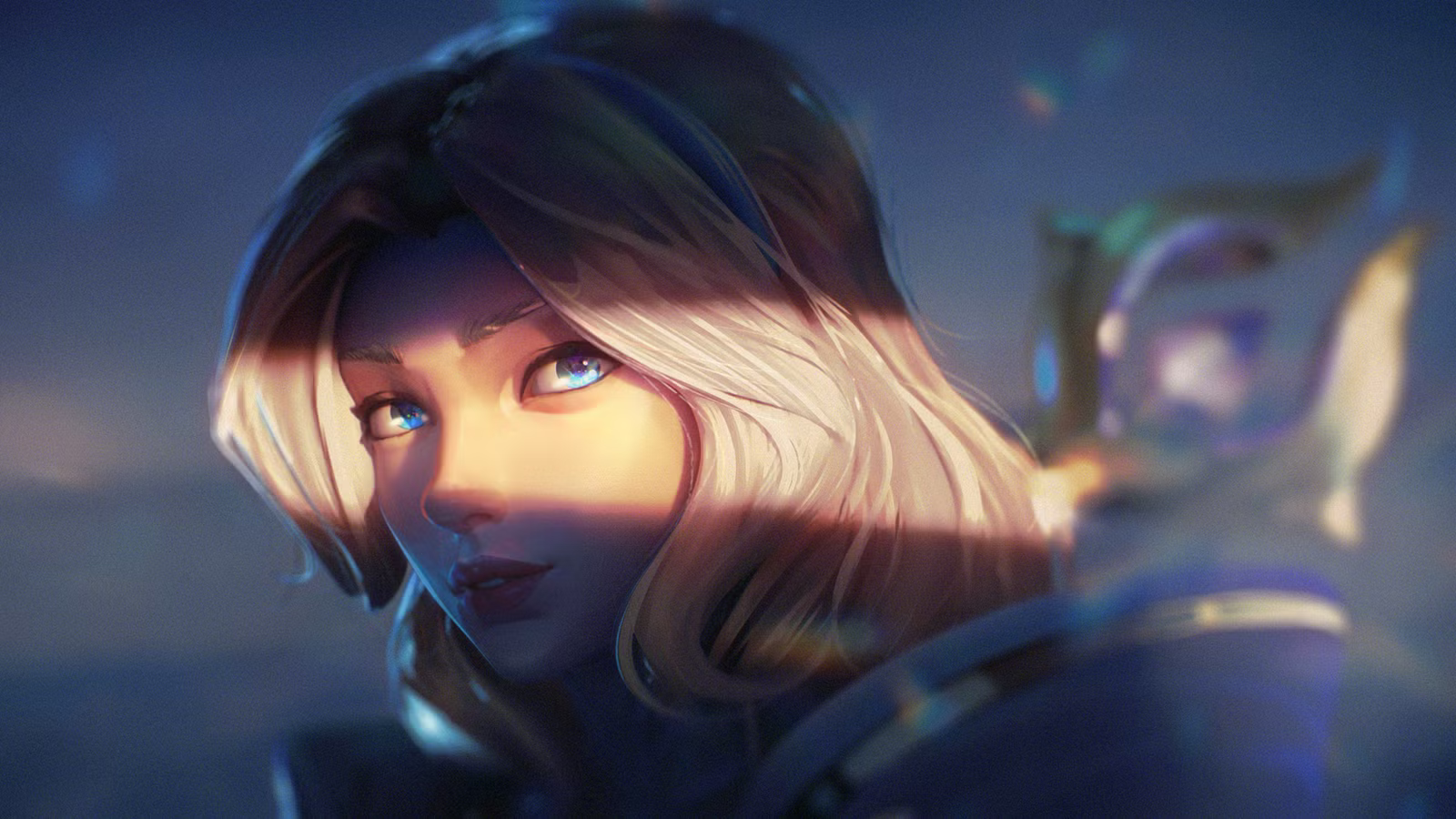
While the client provides the infrastructure, the overhaul of the Summoner’s Rift map serves as the primary visual and tactile change. The sizzle reel presented during the championship hinted at a sophisticated graphical update, moving away from the aging aesthetic toward a modern look that aligns with the visual language established by external projects like the animated series Arcane.
This refresh is not merely cosmetic. Changes to the map geometry and environmental lighting have profound impacts on gameplay, affecting clarity, skill shot visibility, and the overall rhythm of team fights. By revisiting the layout and the technical fidelity of the rift, Riot can introduce improved physics-based interactions and more dynamic environmental responses. This update will likely incorporate sophisticated rendering techniques to ensure that character models—such as the updated Blitzcrank, Lux, and Jhin showcased in the trailer—appear more integrated into the terrain than ever before.
Expanding the Demographic Reach
Riot Games has been explicit about its goal to attract a new audience that has been introduced to the franchise through external media. The New Dawn update functions as a bridge between the legacy player base and those who know the champions through lore, animation, and spin-off card games. By creating a more accessible entry point, the developers are attempting to solve the “barrier to entry” problem that typically hinders long-running competitive games.
This expansion strategy suggests a focus on “evolved gameplay,” which may involve streamlining complex systems or providing better onboarding tutorials within the new client environment. The challenge lies in enhancing accessibility without diluting the high-skill-ceiling nature of the competitive MOBA genre. By refreshing the visual identity and fixing the underlying technical performance, Riot hopes to ensure that when new players enter the ecosystem, their first impression is one of modern polish rather than legacy complexity.
The Future of Global Esports
The New Dawn announcement was paired with a robust roadmap for the 2027 competitive circuit, reinforcing the fact that the game’s professional ecosystem remains the primary driver of its growth. The 2027 calendar introduces a shift in how international tournaments are structured and hosted. With the First Stand tournament expanding in China and the Mid-Season Invitational moving to Valencia, the geographic footprint of the game is widening.
Perhaps the most notable change for the esports scene is the potential replacement of the traditional Worlds Play-In Stage with the Demacia Cup. This shift signifies a move toward a more inclusive, tiered structure for tournament entry. By integrating the Demacia Cup into the global qualifying path, Riot is creating more opportunities for emerging regions and smaller organizations to participate in the World Championship. This creates a more dynamic competitive landscape, ensuring that the talent pipeline remains diverse and that the professional meta continues to shift as more teams from various regions are granted exposure on the global stage.
The transition to New Dawn represents a calculated pivot for Riot Games. By aligning a massive technical overhaul with a revitalized competitive calendar, the studio is positioning League of Legends to remain a cornerstone of the gaming industry. As January approaches, the community awaits further details on how these structural changes will redefine the mechanics of the game, but the direction is clear: the developer is prioritizing long-term sustainability and architectural modernization over the preservation of the status quo.
Disclaimer: This content is auto-generated for informational purposes only.
Source: Read Original News