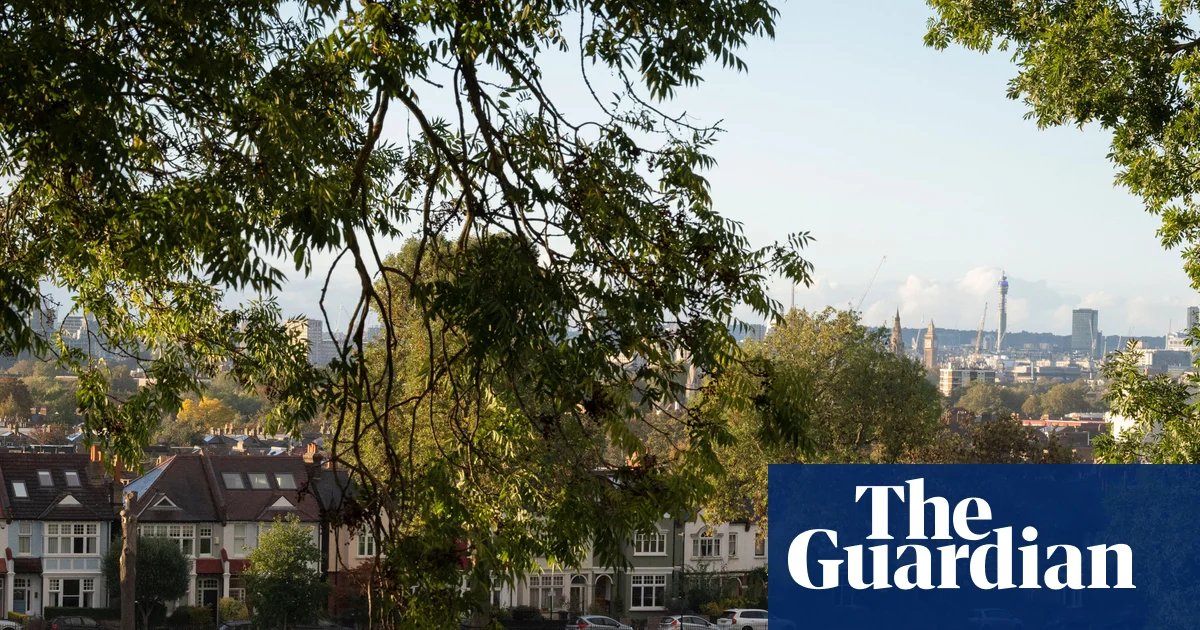
The new research covered in your report (England’s poorest areas face deepest cuts to green space under planning law changes, report finds, 4 June) highlights the stark inequalities that exist across England when it comes to accessing nature-rich places and unlocking the many health, wellbeing and economic benefits that they can provide.
In short, the research has found that if you live in the poorest places in England, you are likely to have less or no access to nature. This is set to get worse because of government policy changes.
My own research, which looked at changes to green spaces from 2020 to 2025 in the most and least deprived places in six cities, demonstrates this stark reality even further. Shockingly, we could not find a single example where the poorest places gained as much or more accessible green space than the wealthiest. The opposite in fact is apparent, and two of these – Leicester and Leeds – show that the wealthiest two deciles gained 10% more green space than the poorest two during this time.
Stripping away access to nature-rich green spaces further will risk the health of 1.4 million children. This cannot be what the government wants: less health-giving, pride-in-place-boosting nature in the areas that need it the most. Instead, we need planning laws – not just unenforceable guidance – that will bring nature back to where the need, and economic impact, is greatest.
Prof Kathy Willis
University of Oxford