









The Strategy Behind the Tariff: Understanding Trump’s Approach to Global Trade
By Michael Race, Business and Economics Reporter
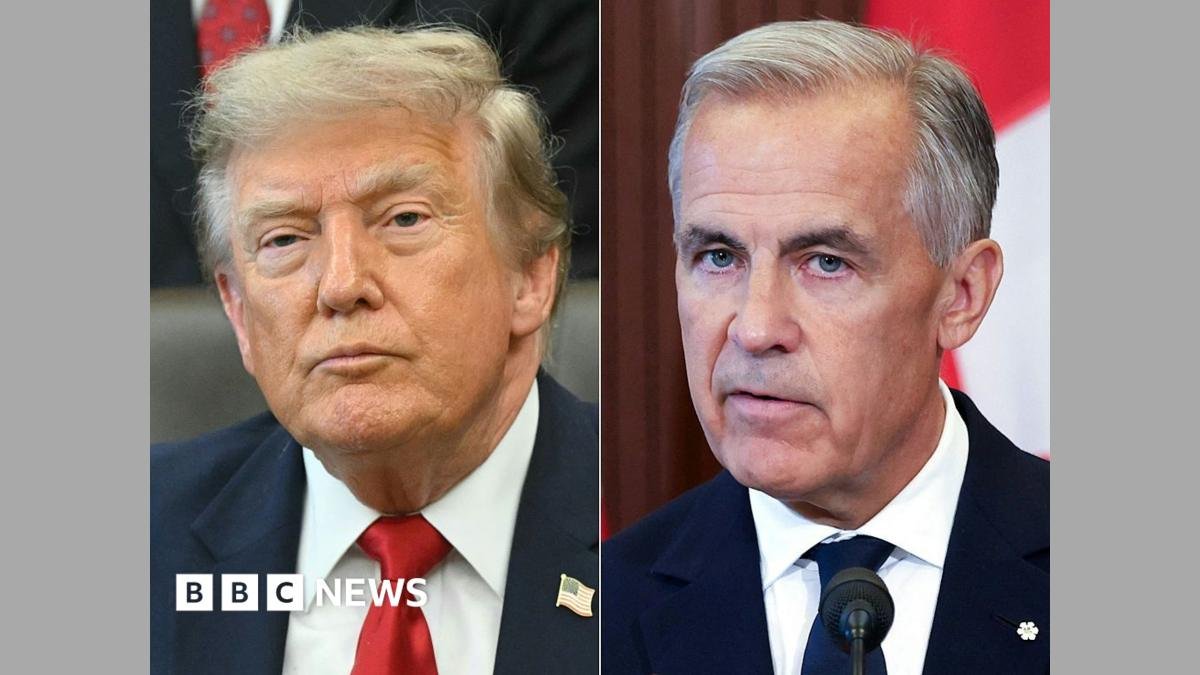
In a move that has become a hallmark of his return to the White House, President Donald Trump has once again signaled his intention to impose a fresh wave of levies on international imports—this time targeting goods arriving from neighboring Canada.
These latest announcements serve as a continuation of an aggressive economic strategy that has effectively upended the established global trade order. By utilizing tariffs—taxes levied on businesses that import foreign goods—the President is leveraging the United States’ massive consumer market to force a fundamental restructuring of international supply chains.
The Logic of Protectionism
At the heart of the administration’s policy is a core belief: that by making imports prohibitively expensive, the U.S. government can incentivize companies to return manufacturing capabilities to American soil.
The strategy is twofold: it aims to encourage domestic firms to shift their production lines back home to avoid the taxes, and it pressures foreign entities to establish “on-shored” manufacturing facilities within the U.S. to maintain access to the American market without the burden of border duties.
There are tangible signs that this approach is yielding results. Earlier this month, technology giant Apple inaugurated a new manufacturing site in Houston. The move followed a period of intense pressure and significant financial hits from earlier tariff rounds, as the company looked to mitigate the risks associated with its historical reliance on production hubs in China.
The Economic Divide
However, the President’s tariff-heavy agenda remains a subject of intense debate among economists and trade experts. While the administration points to manufacturing gains, critics warn of significant “collateral damage” to the broader American economy.
A primary concern is the impact on inflation. When companies face higher costs to import necessary components—such as raw steel, aluminum, or electronic parts—those costs are frequently passed on to the end consumer. For industries like automobile manufacturing, which rely on complex, cross-border supply chains, these added expenses can translate into higher sticker prices for everyday Americans.
Furthermore, trade policy rarely exists in a vacuum. Many economists warn that the U.S. remains vulnerable to retaliatory measures. When Washington imposes tariffs, foreign nations often respond with “counter-tariffs” of their own. This cycle of escalation poses a direct threat to American businesses that rely heavily on exporting their goods to international markets, potentially leaving them locked out of key foreign territories.
As the administration continues to utilize these economic levers, the question remains whether the gains in domestic manufacturing capacity will outweigh the potential for rising consumer prices and the risk of a broader trade war. For now, the global market remains on high alert, waiting to see which industry—or neighbor—might be the next target in the President’s trade agenda.