








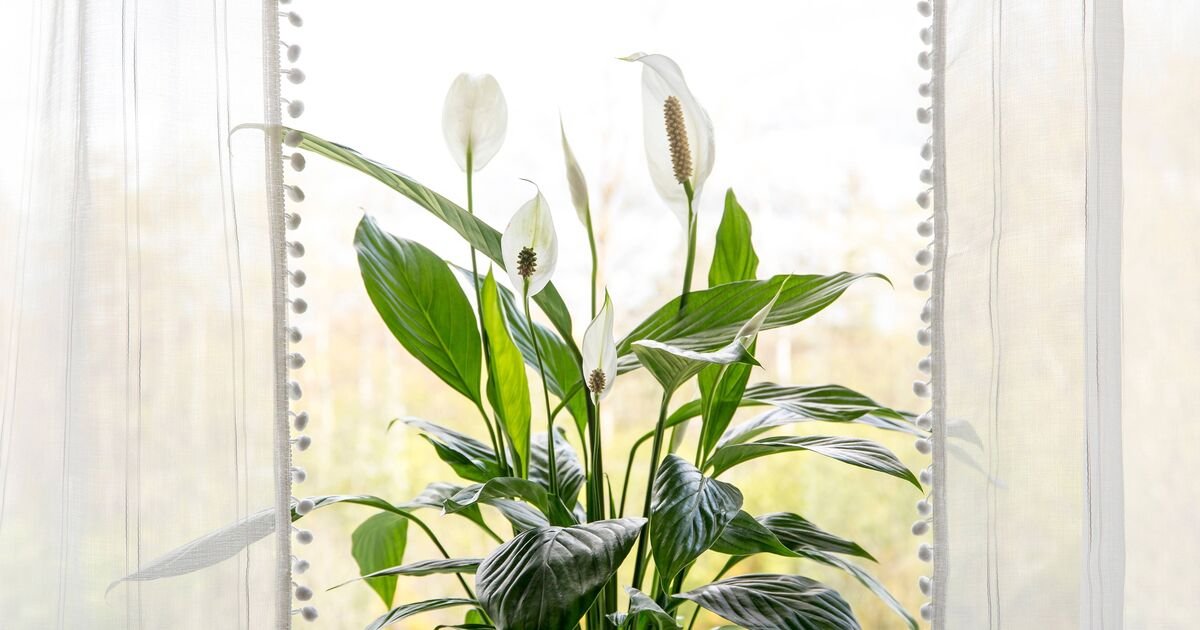
Peace lilies are often the first plant people buy when they want to brighten up a living room or home office. With their glossy, deep green leaves and elegant white blooms, they look sophisticated while being famously low-maintenance. However, if your plant is starting to look a bit lackluster, with brown, crispy leaf tips or a constant, wilting appearance, you might be falling for one of the most common plant care traps.
While these plants are known for being resilient, they are also quite sensitive to the quality of the water they receive. If you have been filling your watering can directly from the kitchen tap, you might be accidentally introducing minerals and additives that your peace lily finds difficult to process.
Why Your Tap Water Might Be the Problem
Most of us assume that tap water is perfectly safe for all household plants, but peace lilies are a bit more particular than your average spider plant or succulent. These plants originate from tropical rainforest environments, where they are accustomed to receiving water that is clean, soft, and free of heavy mineral deposits.
The water that comes out of your tap is treated to make it safe for human consumption, often including additives like fluoride and chlorine. In some regions, tap water is also naturally “hard,” meaning it contains higher levels of calcium and magnesium. For a tropical plant like the peace lily, these elements are essentially toxins. They cannot be absorbed effectively by the root system, so they begin to accumulate in the potting soil. Over time, this creates a salty, mineral-rich environment that damages the roots, eventually preventing the plant from absorbing the actual moisture it needs to stay hydrated.
The Magic of Rainwater
If you want to see a dramatic turnaround in your plant’s health, the simplest fix is to switch to rainwater. It is the gold standard for indoor plants because it is naturally soft and free from the chemicals found in public water systems. When you provide a peace lily with rainwater, you are mimicking the natural conditions of its native habitat.
Collecting it is surprisingly easy. You do not need a complex irrigation system; simply leave a clean bucket, watering can, or basin outside on a day when rain is expected. If you have a garden, place the container in an open area. If you live in an apartment, a secure balcony or a wide windowsill works perfectly well. Once you have a supply, you will notice that your peace lily starts to produce glossier leaves and significantly more vibrant, healthy blooms.
Mastering the Watering Routine
Even with the right water, technique matters. A common mistake is to let a plant sit in standing water, which leads to root rot—a condition that is much harder to fix than simple dehydration.
To water your plant like a pro, place it in a sink, shower, or bathtub. Gently pour the collected rainwater onto the soil, making sure to avoid splashing the delicate leaves too much. Let the water saturate the soil completely, and wait until you see it flowing out of the drainage holes at the bottom of the pot. Leave the plant in the sink for about 15 to 20 minutes to allow the excess water to drain away entirely. Once it has stopped dripping, you can return it to its decorative pot or saucer. This ensures the plant gets a deep drink without the risk of the roots becoming waterlogged.
Look for the Signs of Success
How will you know if the switch to rainwater is working? Usually, the results are visible within a few weeks. The brown, crispy edges on the tips of the leaves—a hallmark sign of mineral buildup—will stop spreading. New growth will appear, and the leaves should take on a richer, deeper color.
If your plant previously looked limp even after you watered it, you will likely see it stand up taller and feel firmer to the touch. By simply changing your water source, you are giving your peace lily the chance to thrive rather than just survive. It is a small, easy adjustment that saves you the trouble of buying fertilizers or repotting, proving that sometimes the best care is simply providing what nature intended.
Disclaimer: This content is auto-generated for informational purposes only.
Source: Read Original News