









Nutritional Disparity: Why Global Food Giants Are Fighting Labeling Laws in India
A can of Fanta purchased in London contains 63 calories. Purchase the same branded drink in India, and it contains three times as much sugar, alongside artificial dyes that would require prominent health warnings if sold in Europe. In India, however, these additives are relegated to the fine print on the back of the can—a reality that suits the world’s largest food and beverage corporations just fine.
As India faces a burgeoning public health crisis, the battle over food labeling has reached the Supreme Court. While roughly 20 nations have adopted “interpretive” front-of-pack labels—often using color-coded systems like red for high sugar and green for low fat—Indian regulators have repeatedly backed down under pressure from industry giants.
The Power of Lobbying
New reports based on internal meeting recordings reveal a tense standoff between the Food Safety and Standards Authority of India (FSSAI) and major consumer goods companies. In a March meeting, industry executives successfully lobbied against the implementation of front-of-package warnings, arguing that such labels are “simplistic,” confusing, and ineffective at changing consumer behavior.
Mili Bhattacharya, a senior executive at Coca-Cola India, argued that warning labels would not stop consumers from choosing sugary or salty products, suggesting instead that the responsibility lies with doctors to educate patients on diet. Yet, this stance stands in stark contrast to the company’s policies in other regions. Coca-Cola and its affiliates voluntarily use traffic-light-style labels in approximately two dozen European markets, touting them as “clear and transparent.” Similarly, Nestle, a key member of the lobby groups opposing these regulations in India, has utilized similar warning systems in the United Kingdom since 2013.
A Growing Health Crisis
The stakes for Indian consumers are high. A recent study published in The Lancet projects that 450 million Indians could be overweight or obese by 2050. Industry estimates suggest that nearly 80% of India’s $100 billion packaged food market would trigger “high sugar/salt” warnings if the proposed labels were enforced, leading to shelves awash in red warning stickers.
The FSSAI, which initially flirted with the idea of color-coded warnings, eventually abandoned the initiative in August. The regulator told the Supreme Court it was “difficult” to align with international standards, claiming that Indian cuisine—with its intense flavor profiles—requires a different approach than Western food. The court, however, has expressed skepticism, reminding regulators that “the world should know that India is very much concerned about the overall health of its citizens.”
The “Food Pharmer” Movement
Amidst the corporate pushback, a new wave of social media activism is challenging the status quo. Revant Himatsingka, a health influencer known as “Food Pharmer,” has gained millions of followers by exposing the nutritional differences between products sold in India versus those in Europe or Australia.
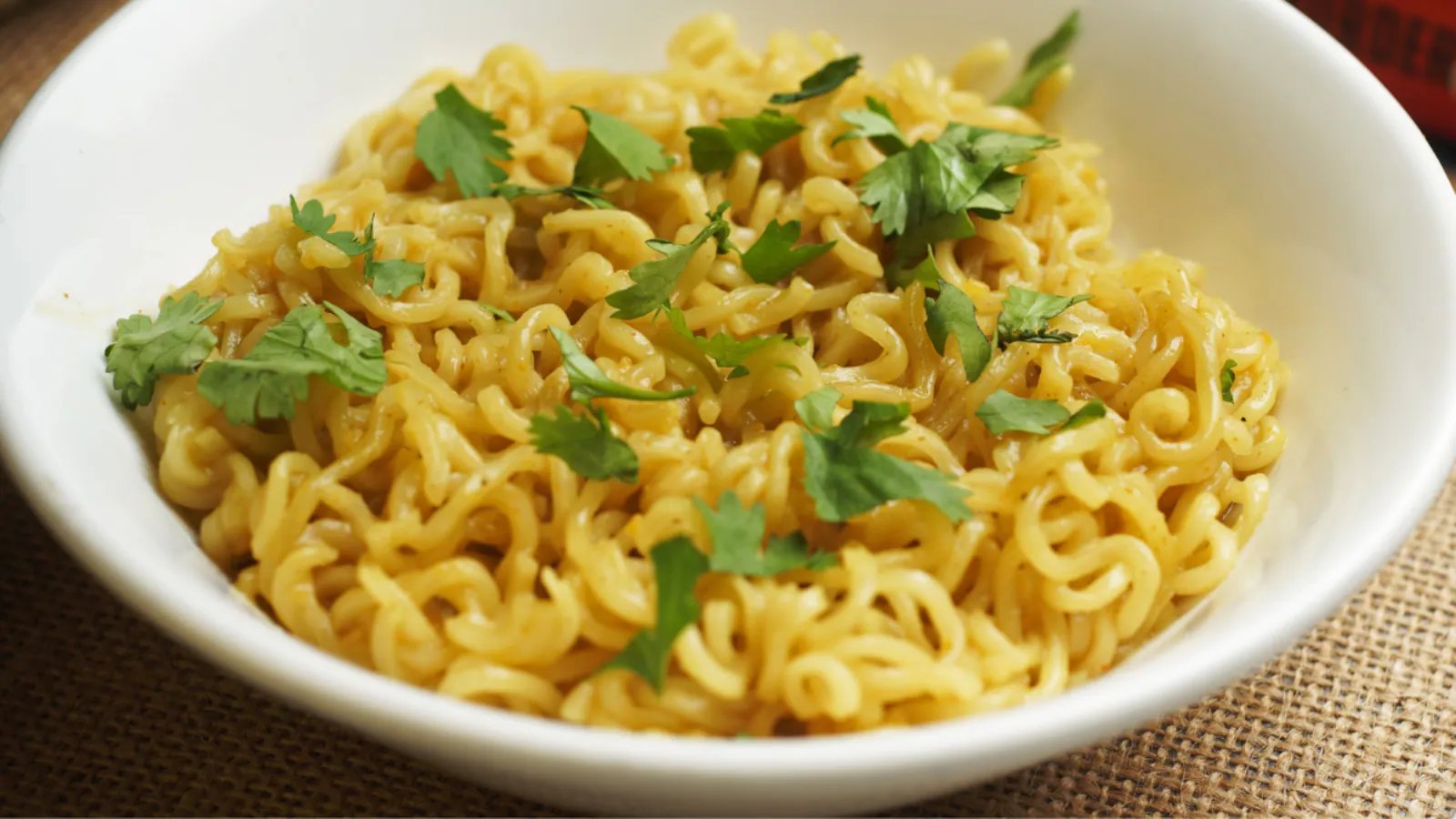
His investigations have highlighted that maggi and fanta sold in india often feature inferior ingredients or higher concentrations of sugar and additives compared to their international counterparts. For instance, Indian KitKats contain significantly less cocoa than the Australian version, and while Indian-made Maggi noodles are exported to Britain with red “high salt” warning labels, no such warnings appear on the packets sold domestically.
A Shifting Market
While companies like Coca-Cola, PepsiCo, and Nestle have resisted mandates through legal complaints and lobbying, changing consumer sentiment is forcing some movement. The rise of health-conscious middle-class consumers has fueled a 400% increase in sales of weight-loss drugs since 2025.
Some companies are beginning to pivot. In 2024, after years of pressure from activists, Nestle began selling sugar-free Cerelac baby food in India—a product they had offered in other markets for decades. As the legal battle continues in the Supreme Court, the question remains whether Indian regulators will prioritize public health transparency or continue to heed the demands of a profit-driven food industry.