







Scotland Unveils Landmark Guidance to Safeguard Historic Buildings and Modern Safety Standards
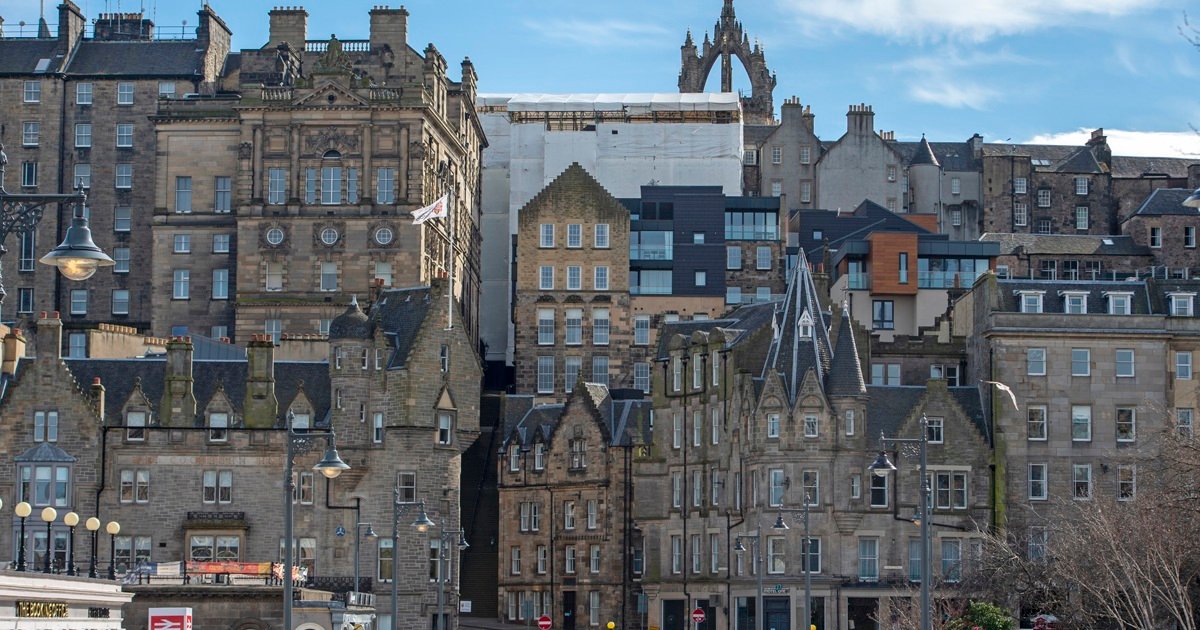
Edinburgh, Scotland – Scotland has released a groundbreaking new guide designed to protect the future of its nearly half-million traditional buildings, a move set to revolutionize how historic structures are adapted for contemporary use. The comprehensive Guide to Conversion of Traditional Buildings is the first of its kind in almost two decades and directly addresses critical lessons learned from the tragic Cameron House Hotel fire in 2017.
The guidance aims to ensure that conversions of traditional buildings not only meet essential modern requirements such as fire safety, accessibility, and energy efficiency but also champions the sustainable reuse of Scotland’s rich architectural heritage. This initiative marks a significant step towards preserving cultural identity while prioritizing public safety.
Public Finance Minister Hannah Mary Goodlad underscored the paramount importance of safety in her statement: "The safety of everyone who lives in, works in or visits a traditional building must always come first. The Fatal Accident Inquiry into the Cameron House fire showed clearly how hidden risks in older buildings, like concealed voids and outdated fire protection, can have devastating consequences. This guidance is our direct response, ensuring that anyone converting a traditional building has the tools and understanding they need to protect lives."
Minister Goodlad also highlighted the broader environmental and economic benefits of the new guide. "It also reflects our wider ambitions to support sustainable, low-carbon development by making the most of our existing building stock rather than defaulting to demolition and new build," she stated, expressing gratitude to the diverse group of experts who contributed to its creation. "By working together, government, industry and heritage specialists can ensure Scotland’s traditional buildings remain safe, sustainable and fit for the future."
Colin Tennant, Interim Director of Cultural Assets at Historic Environment Scotland, echoed these sentiments, emphasizing the intrinsic value of Scotland’s traditional buildings. "Scotland’s traditional buildings are some of our most valuable national assets. They shape the character of our towns, cities and rural communities and embody centuries of craftsmanship, cultural heritage and local identity."
Tennant further articulated the dual benefits of adaptation and reuse: "Reusing and adapting these buildings is vital to protecting our historic environment, while also supporting economic prosperity and community wellbeing through regeneration." He lauded the collaborative spirit behind the guidance, noting, "This guidance will help support the safe, sustainable and informed conversion of traditional buildings across Scotland. It is the product of a truly collaborative approach which reflects the collective expertise of professionals from across the building standards, fire safety, engineering and conservation sectors."
The new guide is poised to become an indispensable resource for architects, developers, heritage specialists, and regulatory bodies involved in the conversion of Scotland’s historic buildings. It encourages a nuanced approach that respects the unique characteristics of traditional construction while integrating contemporary safety and sustainability measures.
Tennant concluded with a forward-looking perspective: "By learning from past events, understanding the unique risks associated with historic construction, and applying proportionate and informed solutions, we can protect people, retain cultural significance and ensure that these remarkable buildings continue to serve future generations."
Background:
A significant driver for this comprehensive guidance was the lessons learned from the Cameron House Hotel fire in 2017, which tragically claimed two lives. In direct response to this incident, the Scottish Government introduced and Parliament passed "Simon and Richard’s Law" last year. This legislation mandates sprinkler systems as a compulsory requirement for traditional buildings that undergo conversion into hotels, a measure enacted in honour of the victims of the Cameron House fire, Simon Midgley and Richard Dyson. The new guide is a further, broader initiative to address the complex challenges of adapting historic structures for modern usage safely and sustainably.