









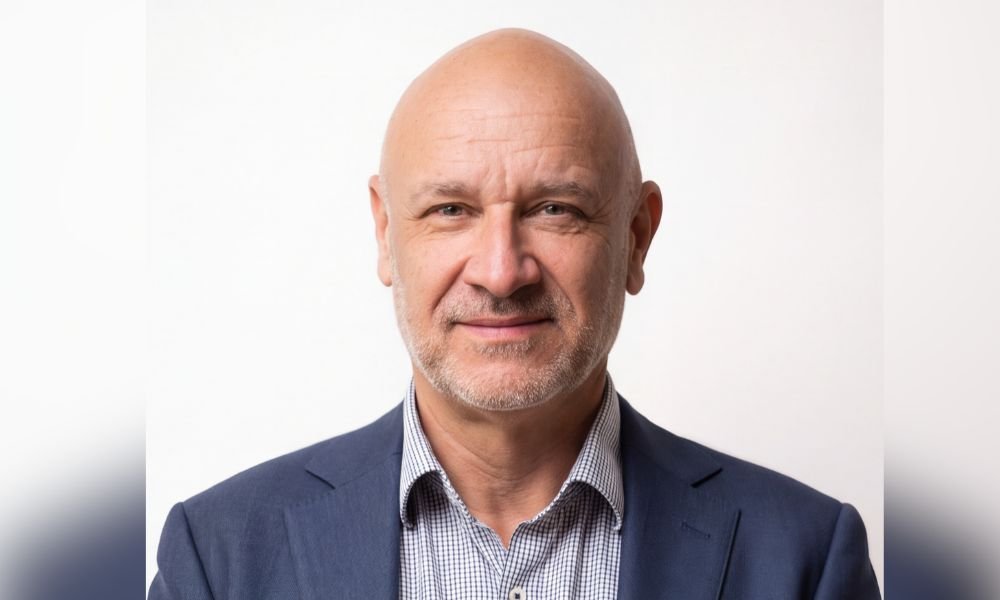
Marsh has signaled a major shift in its Pacific regional strategy by appointing long-time executive Shawn Willis as the firm’s captive strategy leader. Based in Sydney, Willis will step into this newly created role to meet a surging demand for bespoke captive insurance structures and strategic risk-retention advice among the firm’s Pacific-based clientele.
Willis, who boasts over two decades of tenure at Marsh and will maintain his duties as a strategic client director, is tasked with bridging the gap between high-level business objectives and alternative risk transfer. He will work closely with Marsh’s regional captive management and placement teams, guiding clients through the intricacies of captive performance optimization and long-term risk financing.
The move comes at a pivotal moment for the industry, as global captive activity continues to defy broader market trends. Marsh’s 2026 Captive Solutions Benchmarking Report revealed that its managed captives generated US$79.1 billion in gross written premiums in 2025, even as the global commercial insurance market saw a 4% decline in pricing. With 118 new captives formed under Marsh’s management in 2025 alone—a significant increase from the previous year—the firm is clearly betting on continued growth in the alternative risk sector.
The appeal of captives has expanded well beyond traditional property and casualty lines. Today, these vehicles are being leveraged to manage complex, volatile risks such as cyber liability and trade credit. Furthermore, the growth is not limited to massive corporations; the rise of protected cell programs is providing smaller, mid-market organizations with cost-effective entry points into captive ownership.
The timing of Willis’s appointment also aligns with a strategic regulatory push across the Asia-Pacific region. Jurisdictions like Singapore and Hong Kong are aggressively refining their captive insurance frameworks to cement their status as global risk management hubs. In July 2026, the Monetary Authority of Singapore launched consultations on a new protected cell company framework, while Hong Kong’s Insurance Authority continued to authorize new captives, aiming to lure capital away from traditional offshore domiciles.
For Australian brokers, the trend is clear: captives have transitioned from a niche insurance solution to a boardroom-level strategic imperative. As geopolitical instability, supply chain fragility, and climate-related threats become increasingly unpredictable, the ability to advise on self-insurance and alternative risk transfer has become a critical competitive advantage.
Marsh’s decision to dedicate a specific leadership role to the Pacific region confirms that captive discussions are no longer reserved for the largest multinational conglomerates. As the landscape grows more competitive, the firm is positioning itself to ensure that its clients in the Pacific are equipped with the specialized guidance necessary to navigate the shifting regulatory and economic terrain of global risk management.
Disclaimer: This content is auto-generated for informational purposes only.
Source: Read Original News