








The Uncertain Future of a Landmark Franchise
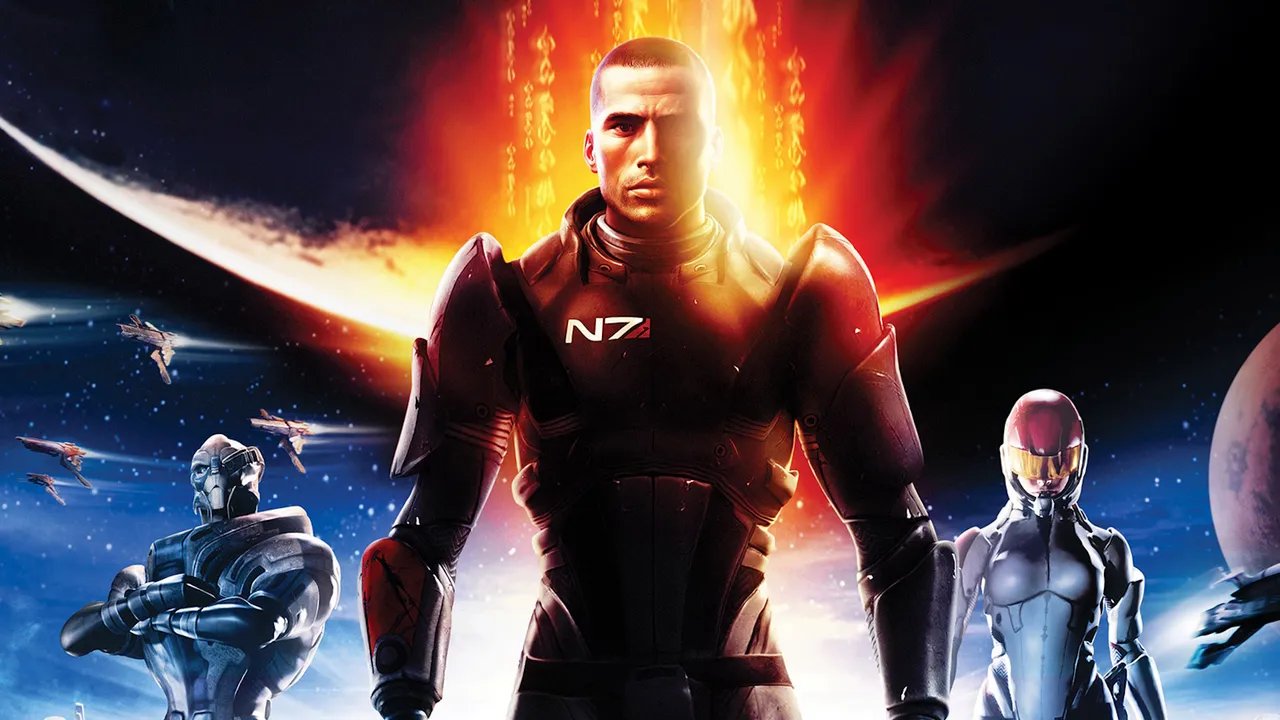
The gaming industry is currently grappling with the abrupt closure of BioWare, a move orchestrated by Electronic Arts (EA) that has sent shockwaves through the community. Among the most significant casualties of this restructuring is the cancellation of Mass Effect 5, a project that held high expectations as the next chapter in a storied science fiction saga. The decision to halt development, coming only weeks before the annual celebration of the franchise known as N7 Day, has left fans and industry observers alike in a state of flux. This quietude stands in stark contrast to previous years, where the November 7 holiday served as a platform for official announcements and developer-led festivities.
The impact of this closure extends beyond the loss of a single title. BioWare served as a foundational pillar for narrative-driven role-playing games, and the erasure of its upcoming projects signals a potential shift in how major publishers manage legacy intellectual property. As the studio shutters, the technical blueprints and creative direction for the canceled Mass Effect: Universe project have leaked into the public domain, revealing that the narrative would have synthesized player choices from throughout the original trilogy. The loss of such a complex, interconnected storytelling framework is viewed by many as a setback for high-budget narrative design.
Mobilizing the Normandy Crew
In the absence of corporate-led events, the community has stepped in to fill the void. A grassroots movement operating under the banner “We are Mass Effect” has launched a series of coordinated efforts to protest the studio’s closure and advocate for the preservation of the franchise. The most visible result of these efforts is a high-profile video message featuring the original voice cast of the trilogy. Actors including Jennifer Hale, Mark Meer, Ash Sroka, and Steve Blum have reunited to advocate for the franchise, highlighting the deep connections between the creative talent and the material they helped build.
The logistics of assembling such a cast reflect the dedication of the community. According to organizers, the coordination process mirrored the gameplay mechanics of Mass Effect 2, where players recruit a diverse squad of specialists. The participation of key performers has provided a tangible focal point for fans, moving the discussion from online speculation to a structured campaign. These actors have expressed their gratitude toward the fans, noting that the collective effort serves as a testament to the lasting impact of the characters and the fictional universe created by the developers.
Public Advocacy and Physical Presence
The campaign to save the franchise has moved beyond digital spaces and into the physical world. A petition calling for intervention has gathered over 310,000 signatures, and there have been organized movements involving physical billboards. Notably, a mobile billboard was deployed near EA’s headquarters in Redwood City, California, and another was stationed near the former offices of BioWare in Edmonton, Alberta. These actions are designed to keep the discourse regarding the studio’s closure active in the public eye.
The pushback has also reached the political sphere. A Canadian government petition has been initiated, suggesting that legislative attention toward the tech and gaming sector might be necessary to stabilize local talent and development houses. These efforts, combined with calls for boycotts of the publisher, represent a significant escalation in how fan bases interact with corporate decision-making. The movement focuses not only on the game itself but also on the professional future of the developers who were impacted by the sudden layoffs and studio shutdown.
Industry Perspectives on Creative Legacy
While the future of the series remains uncertain, other developers have publicly acknowledged the influence BioWare had on their own projects. Owlcat Games, which is currently developing an RPG inspired by the genre, has joined the conversation to honor the impact of BioWare’s body of work. The studio’s leadership has noted that the loss of a major RPG developer is felt throughout the industry, as these games act as benchmarks for technical and narrative quality.
The broader industry recognizes that the cancellation of major titles affects the pipeline of innovation. When a studio with the reach and historical significance of BioWare is dismantled, the loss of cumulative knowledge and internal culture becomes a critical issue. The discourse surrounding these events underscores a sentiment that while specific intellectual properties might be paused or canceled, the techniques, writing standards, and design philosophies pioneered by these teams should serve as a foundation for future developers to build upon.
Archiving and the Future of Modding
As official development efforts cease, the role of the community in preserving the franchise is becoming more prominent. Modders are already stepping in to maintain the functionality and relevance of existing games. Rebuilding components like the multiplayer modes from earlier titles ensures that the user experience remains intact despite the absence of ongoing support from the original publisher. This reliance on the community for preservation is a growing trend, as players work to keep titles playable long after the developers have moved on.
The ongoing conversation regarding the impact of AI on game development and the preservation of legacy projects is also intensifying. As the industry faces these shifts, the dedication of the core fan base ensures that, even if official development cycles are interrupted, the interest in the franchise remains a persistent force. Whether this advocacy will influence future corporate strategies remains to be seen, but the events of this year’s N7 Day have cemented a clear message: for the cast, the developers, and the players, the legacy of the series is something they intend to protect.
Disclaimer: This content is auto-generated for informational purposes only.
Source: Read Original News