







Microsoft Releases Dedicated App to Force Bing Integration Across All Browsers
In an aggressive push to increase its search market share, Microsoft has released a standalone utility designed with one primary goal: converting your default search engine to Bing across every browser installed on your PC.
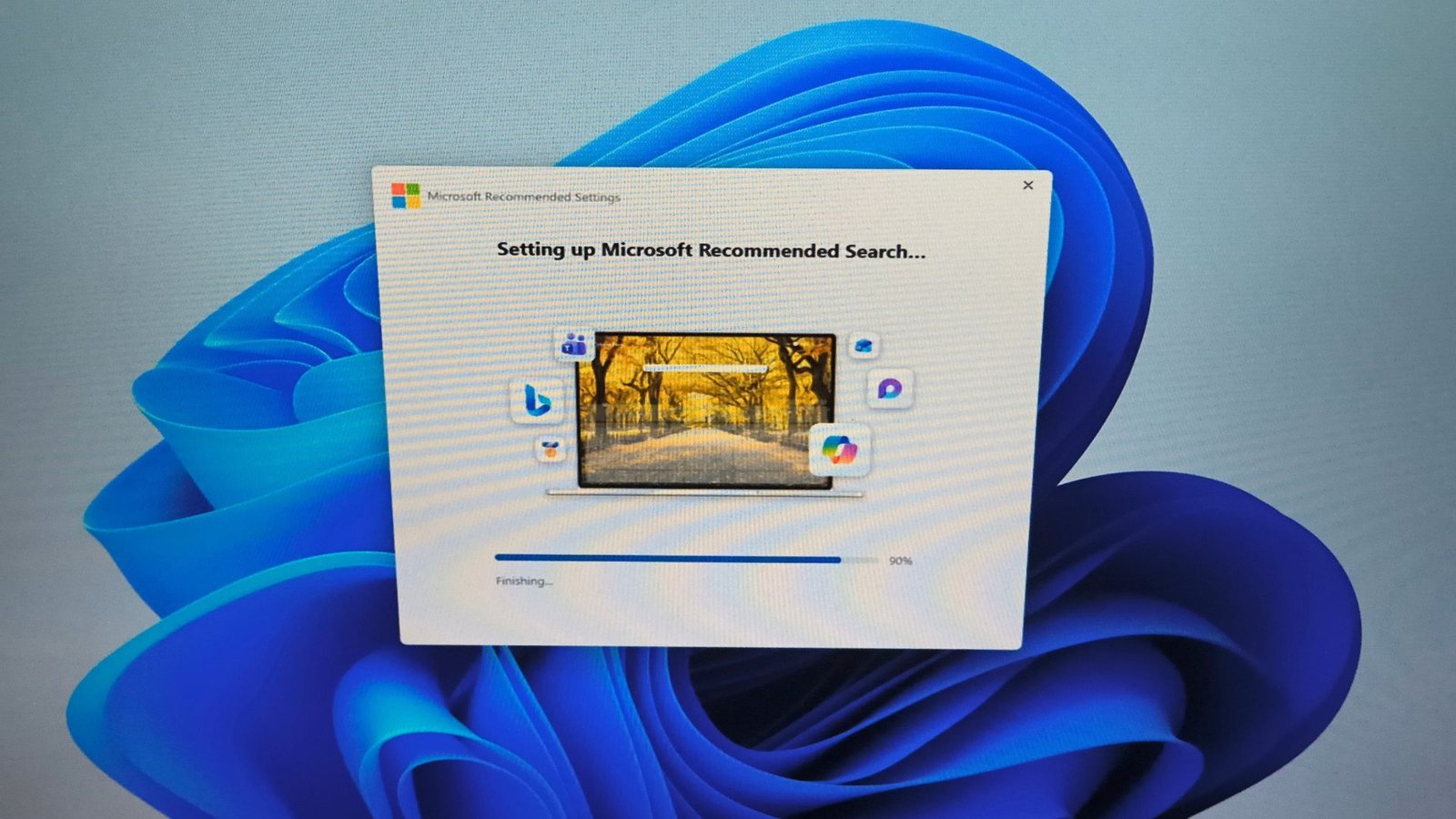
The application, titled "Microsoft Recommended Search Settings," is a lightweight executable (MicrosoftSettings.exe) hosted on official Microsoft servers. While it is not yet being deployed via Windows Update, its existence marks a notable escalation in the company’s efforts to steer users toward its search ecosystem.
A One-Purpose Tool
The app utilizes a modern WinUI shell with WebView2. Upon launch, it prompts users to install a browser extension for Google Chrome, Mozilla Firefox, and Brave. Once authorized, the extension forces the browser’s default search engine and homepage to Bing.
To sweeten the deal, the installer concludes by redirecting users to the Microsoft Rewards page—a tactic critics describe as a blatant attempt to "bribe" users into changing their search defaults.
Friction Between Tech Giants
Testing conducted on the application reveals the intense "browser war" currently playing out on user desktops. When the Microsoft-backed extension is installed, Google Chrome immediately attempts to intercept the change, triggering a prompt asking, "Change back to Google Search?"
In a move that highlights the ongoing corporate standoff, Microsoft’s setup appears to anticipate this conflict, presenting a secondary, persistent dialog box that urges users to ignore Google’s request and stick with Bing. The prompt warns that reverting to the original settings will cause the user to lose access to exclusive Bing features and wallpapers.
Engineering Priorities Under Fire
The release of this tool has drawn criticism from industry observers, particularly regarding Microsoft’s allocation of development resources. Critics point out that while the company dedicated time to building a standalone app for changing search settings, several native Windows components remain bloated and unoptimized.
For instance, the default Windows Weather app has been noted to consume upwards of 1.2GB of RAM—significantly more than its counterparts on other platforms—while still displaying advertisements. Many users are questioning why such resources were directed toward a "Bing-enforcement" tool rather than improving the performance and efficiency of the Windows operating system itself.
The Bigger Picture
This latest development is part of a broader strategy. Although Microsoft has recently taken steps to "declutter" the Windows 11 experience—such as removing MSN content from the Search interface and widgets—the introduction of this new executable proves that the company’s desire to force Bing remains a top priority.
Even as Bing recently surpassed 1 billion monthly users, Microsoft appears unwilling to rely on product quality alone to compete with Google. From offering $1 million in sweepstakes to maintaining controversial "fake" Google-like homepage designs on Bing, the company is clearly committed to a long-term strategy of aggressive user acquisition, regardless of the pushback from rival browser developers and privacy advocates.