








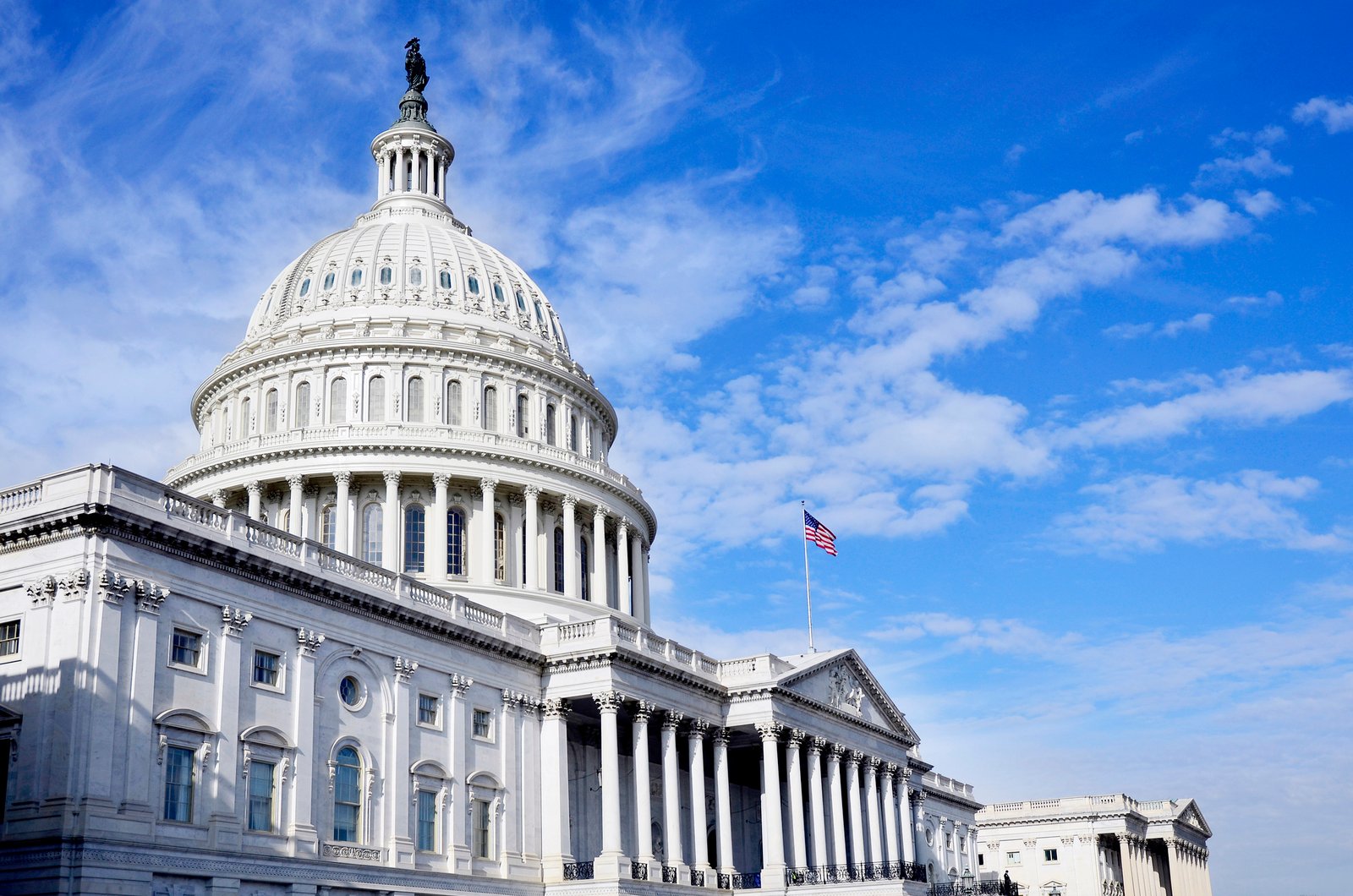
A high-stakes showdown is brewing on Capitol Hill as President Trump makes a late-stage push to revive a massive budget reconciliation package, threatening to derail negotiations for federal spending and heighten the risk of a government shutdown by December 11.
The proposal, which calls for $350 billion in additional defense spending as part of a larger $1.5 trillion budget framework, has met with significant resistance. While reconciliation—a process that allows the Senate to bypass the filibuster with a simple majority—is the President’s preferred vehicle, the maneuver has left Republican lawmakers divided. Many senators fear that an aggressive pursuit of this package will collapse ongoing discussions regarding regular order, potentially leading to a lapse in federal funding when current spending authorities expire in mid-December.
“If this becomes too much of a dog-with-a-bone situation, it could definitely lead to a shutdown,” observers noted, citing the emboldened posture of Democratic lawmakers following the midterm elections.
The defense funding request remains the primary friction point. Progressive Democrats are signaling staunch opposition to the war-related provisions, while even moderate Democrats have expressed hesitation. The standoff highlights a broader congressional exhaustion; lawmakers are wary of repeating the repetitive, high-stakes funding showdowns that have plagued the last year, with voters making it clear that they prefer legislative progress over repeated threats of administrative paralysis.
As these budget battles unfold, the internal dynamics of the Democratic Party are also shifting. A leadership challenge from Senator Chris Van Hollen (D-Md.) against Senate Majority Leader Chuck Schumer has added a layer of complexity to the opposition’s strategy. Meanwhile, the incoming Congress is already preparing for an aggressive slate of oversight investigations.
Leading the charge in the House, Rep. Richard Garcia (R) is expected to steer the Oversight Committee toward scrutinizing administration corruption, the efficacy of the Department of Government Efficiency (DOGE), and various high-profile investigations, such as the Epstein files. On the Judiciary side, Rep. Jamie Raskin (D) is positioning his committee to handle the administration’s warning that excessive oversight could lead to criminal liability for lawmakers.
Despite threats from the White House—now under the direction of Chief of Staff Stephen Miller—that the administration will not yield on investigative requests, Democrats are bracing for a period of protracted legal warfare. Drawing on lessons from previous high-profile inquiries, including the January 6th investigations, Democratic leadership insists they can balance their oversight duties with their legislative goals of addressing national affordability.
Whether they can successfully navigate these “legal battles” while simultaneously pressuring the administration remains to be seen. For now, the Capitol remains focused on the ticking clock of December 11, with the outcome of the defense budget debate serving as the litmus test for whether the government enters the new year with a stable budget or a legislative impasse.
Disclaimer: This content is auto-generated for informational purposes only.
Source: Read Original News