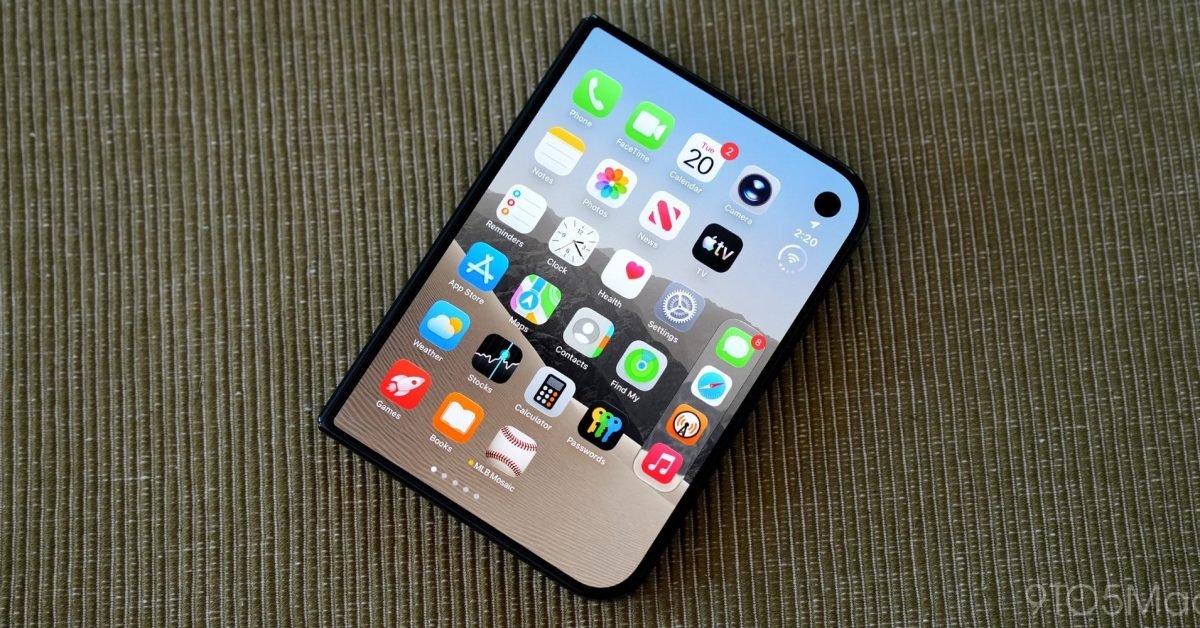








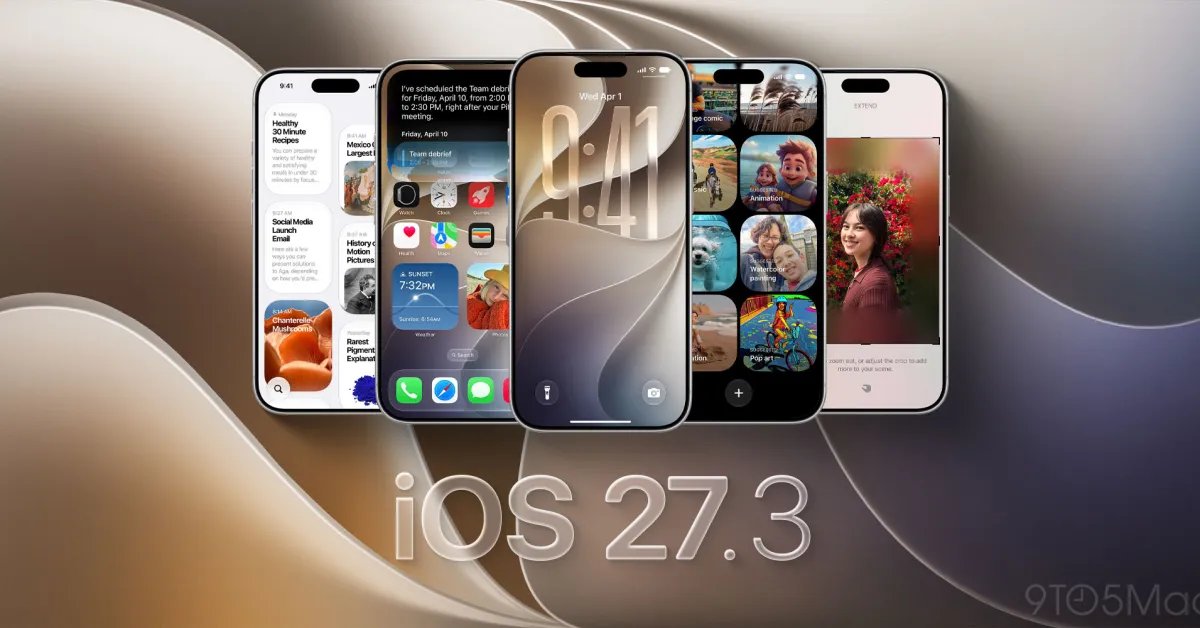
The arrival of iOS 27.3 beta 2 marks a significant milestone in Apple’s software cycle, introducing a suite of refinements that bridge the gap between standard iPhone hardware and the unique capabilities of the new iPhone Duo. As developer testing progresses, this iteration confirms that Apple is prioritizing cross-device cohesion, privacy-centric AI integration, and a more intuitive user interface for its core productivity applications.
Advancements in iPhone Duo Functionality
A central focus of the 27.3 update is the optimization of the iPhone Duo, Apple’s foldable hardware entry. The second beta introduces a sophisticated facial recognition unlock feature, addressing the logistical hurdles of identifying a user when the device is in various states of deployment. To complement this, a new toggle has been introduced within the Display & Brightness settings: users can now dictate whether the phone should automatically lock upon folding. This provides a granular level of control, ensuring the device behaves exactly as the user intends during transition, while simultaneously protecting battery life and data privacy.
Furthermore, the update addresses the physical reality of the device’s wide display through a revamped Reachability feature. Unlike the standard vertical shift seen on traditional iPhone models, this version allows for horizontal content navigation. By shifting the user interface left or right, Apple ensures that one-handed navigation remains practical regardless of whether the device is fully open or closed, reinforcing the usability of the expanded screen real estate.
Siri AI and Intelligent Context Awareness
The evolution of Siri AI continues to be a cornerstone of the iOS 27 series. In this latest beta, Siri’s capability to parse and understand digital environments has been significantly augmented. Perhaps most impressive is the assistant’s new ability to process entire webpages within Safari, even content that exists outside the current visible viewport. This allows users to summarize long-form articles or extract specific data points from hidden sections of a page without manual scrolling.
Beyond web navigation, Siri AI has been granted permission to handle health-related queries directly, acting as a conversational interface for the Health app’s complex data sets. This integration is bolstered by a broader ability to execute granular commands across native applications like Calendar, Journal, Messages, and Music. These functional improvements transform Siri from a basic command-based assistant into a genuine productivity tool capable of managing multi-step workflows.
Design Overhauls and Productivity Tools
The iOS 27.3 update is not merely a collection of backend refinements; it also brings substantial UI changes, most notably in the Calendar app. By moving primary controls to the bottom of the screen, the interface now prioritizes ergonomic access, reflecting a broader design trend toward bottom-weighted navigation in smartphone software.
The Apple TV app also receives a strategic update, incorporating a dedicated section for video podcasts. This is accompanied by support for vertical video formats, which better aligns the media consumption experience on mobile devices with modern content creation standards. Meanwhile, Safari users gain access to vertical tabs and adaptive dark mode, features designed to improve visibility and resource management during high-intensity research or web-browsing tasks. These updates collectively streamline the user experience, minimizing unnecessary screen navigation and improving content discoverability.
Health and Fitness Integration
Following a brief appearance in earlier testing cycles, the redesigned Health app has returned in this beta with a commitment to a full launch by the end of the year. This application has been re-architected to present complex medical and activity metrics in a more digestible format. This focus on wellness is further supported by the introduction of Gym Strength workouts in Apple Fitness+. These programs utilize personalized data to generate routines that adapt to the user’s history, signaling Apple’s move toward data-driven, long-term fitness planning rather than static video instruction.
This ecosystem approach extends to the Apple Watch through Audio Intelligence features. Within watchOS 27.3, users can now test Siri Recap and Live Rewind. These tools allow the watch to summarize missed audio segments or replay snippets of conversation, providing a level of digital assistance that functions seamlessly across both the wrist-worn device and the primary iPhone handset.
Systemic Privacy and Global Expansion
Apple has reinforced its commitment to privacy with updated permission controls for macOS, specifically regarding Full Disk Access. By refining these backend security protocols, Apple ensures that third-party applications have more transparent and restricted access to sensitive user files. This emphasis on security remains a recurring theme in the 27.3 release, reflecting the company’s broader architecture of sandboxing applications to prevent unauthorized data exposure.
Finally, the geographic footprint of Apple’s services continues to grow. The expansion of Apple News+ Puzzles into Australia, French Canada, and the UK highlights a drive to unify the feature set available to international users. By standardizing these entertainment offerings globally, Apple ensures that the user experience remains consistent, regardless of the region, while also providing a framework for future regional feature rollouts. As the beta moves toward a public release, these combined updates paint a picture of a more capable, intelligent, and highly customizable operating system.
Disclaimer: This content is auto-generated for informational purposes only.
Source: Read Original News