







Delhi Under Lockdown as Police Clamp Down on ‘Cockroach’ Movement Protest
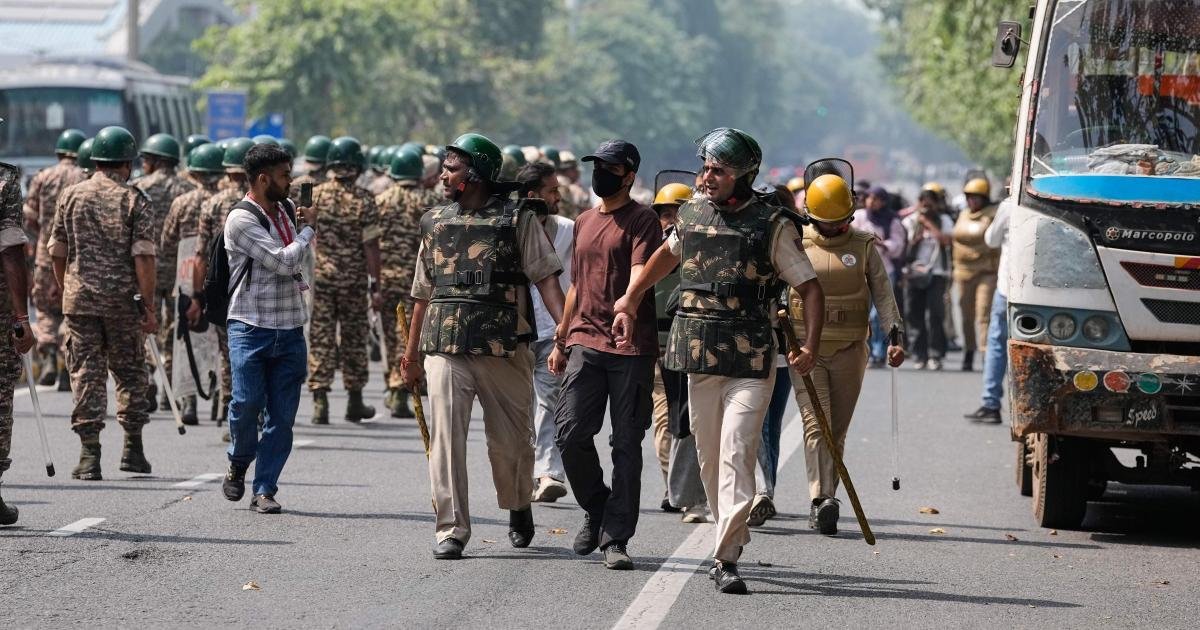
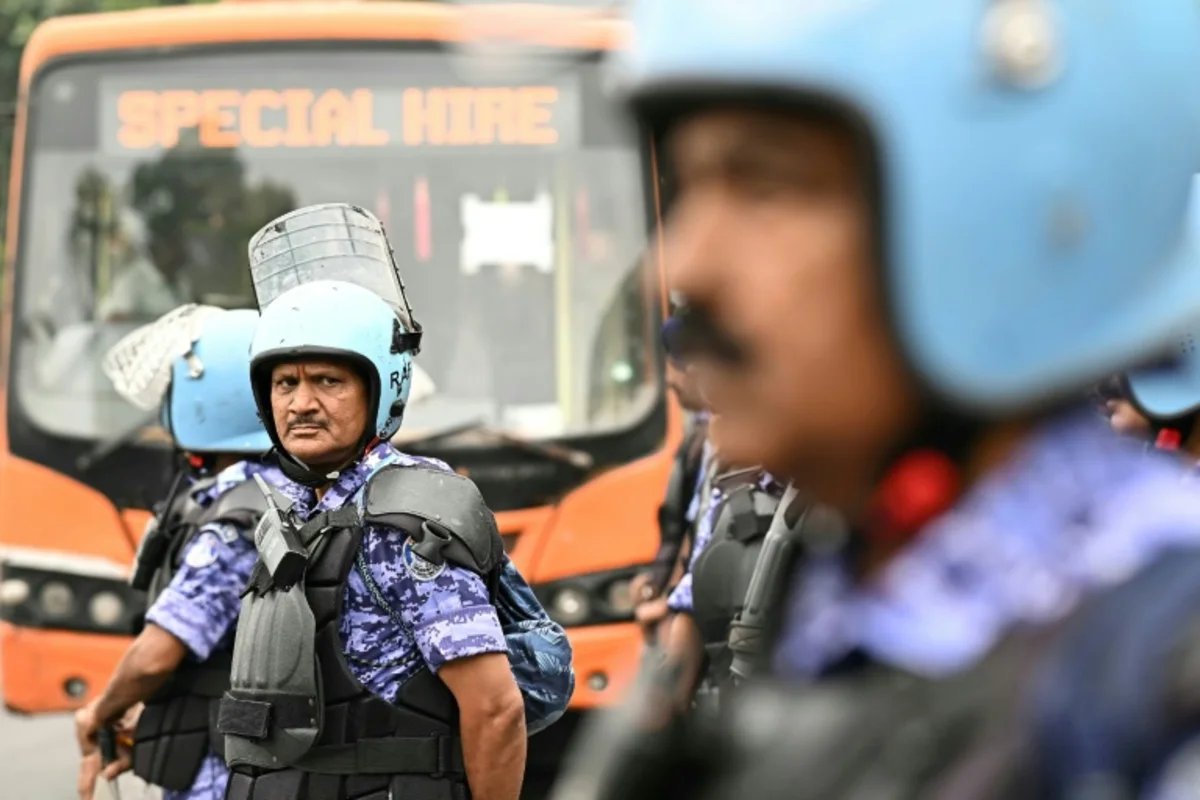
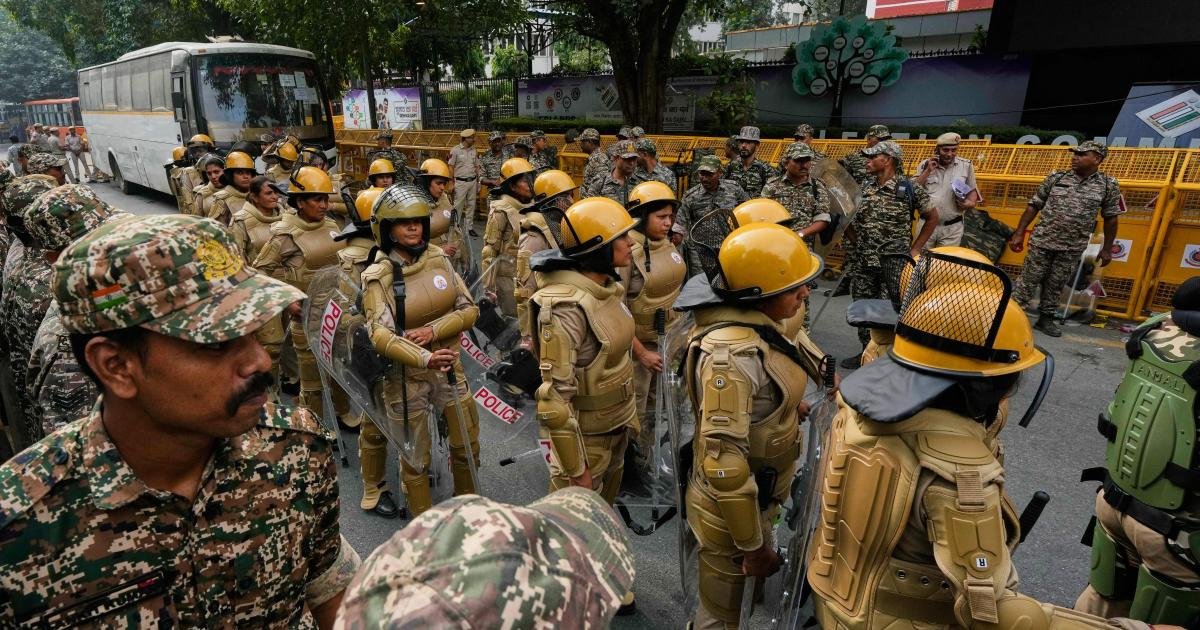
New Delhi was brought to a standstill on Saturday as authorities launched a sweeping security operation to suppress a planned demonstration by the “Cockroach” movement. The protest, which aimed to challenge the Election Commission’s recent voter list revisions, was met with a heavy-handed response that saw streets barricaded and key leadership figures detained before they could even reach the capital.
The atmosphere in the city was tense, with police setting up checkpoints on all major routes to intercept protesters. Anti-riot vehicles equipped with tear gas launchers were deployed at strategic locations, and mobile internet access was restricted in parts of the city to hinder the organization of the gathering.
Leadership Detained in Pre-emptive Strike
The crackdown reached a peak at Delhi airport, where the prominent faces of the movement—Abhijeet Dipke, Saurav Das, and Ashutosh Ranka—were taken into custody immediately upon their arrival from Mumbai. The “Cockroach Janta Party” released video footage on social media showing officers boarding the aircraft to apprehend the men, a move the group decried as a calculated attempt to dismantle their peaceful campaign.
Despite the widespread security blockade, some activists managed to penetrate police cordons near the designated protest site of Jantar Mantar. Chanting slogans against Prime Minister Narendra Modi and the election authorities, these demonstrators were swiftly arrested and bundled into waiting police vans.
A Growing Political Confrontation
The surge in public anger stems from the Election Commission’s “Special Intensive Revision,” an exercise that has seen over 130 million names removed from voter rolls. While the government maintains that the purge is a routine administrative necessity to scrub duplicate entries, opposition parties and the “Cockroach” movement argue it is a form of systematic disenfranchisement.
Critics claim the revision disproportionately affects demographics that typically oppose the ruling Bharatiya Janata Party (BJP). This dispute has turned the movement into a lightning rod for broader anti-government sentiment.
“We are a democracy, yet peaceful protests are being crushed by force,” said Tanya Negi, a college student who had traveled from Mumbai to join the demonstration. “Why is the government so afraid of the youth?”
Testing Modi’s Resolve
The “Cockroach” movement first emerged in May, quickly gaining momentum through a series of persistent hunger strikes and protests against exam paper leaks. That campaign resulted in the July resignation of Mr. Modi’s education minister—a rare instance of the Prime Minister’s administration bowing to public pressure during his decade-long tenure.
For Mr. Modi’s government, this latest unrest comes at a politically delicate juncture. Although the next national elections are not scheduled until 2029, the government faces crucial tests in state-level elections next year in major strongholds like Uttar Pradesh and Gujarat.
As the police continue to maintain tight control over the capital and detain key organizers, the “Cockroach” movement has signaled that its opposition will not subside. The government’s decision to employ such intensive security measures, however, indicates a determination to prevent the movement from regaining the momentum it achieved earlier this summer.
Disclaimer: This content is auto-generated for informational purposes only.
Source: Read Original News