








The Scottish Government has granted offshore planning consent for the Muir Mhòr Offshore Wind Farm, a pivotal development that signals a significant leap forward for Scotland’s ambitions in the global floating offshore wind sector. This approval, which follows the securing of onshore planning permission from Aberdeenshire Council last year for necessary cabling and substation infrastructure, clears the path for the project to transition from the planning phase toward eventual construction.
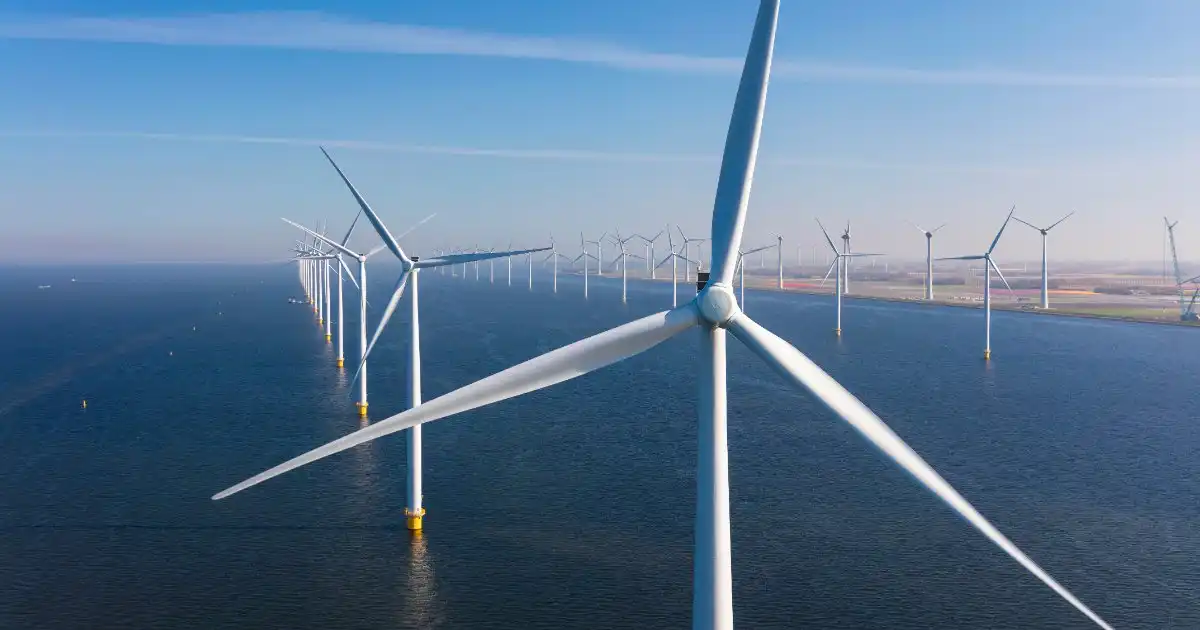
Situated approximately 63 kilometers off the coast of Peterhead, Muir Mhòr is a flagship project under the ScotWind leasing round. Once operational, it is expected to generate up to 1 GW of electricity—a capacity sufficient to power the equivalent of 1.2 million homes annually. The project is seen as a key component in reinforcing the UK’s energy security while positioning Scotland as a leading force in the deployment of floating wind technology, a rapidly evolving sector designed to harness deeper waters where winds are stronger and more consistent.
The development is already yielding tangible economic advantages. To date, $18.4 million has been awarded in development contracts, with $7.96 million of that investment flowing directly into the Scottish supply chain. As the project advances into its construction and operational phases, it is projected to generate significant employment opportunities across Aberdeenshire. A vast supply chain network is currently being cultivated to support the farm’s long-term needs, with hundreds of regional businesses having already registered their interest in participating. Additionally, the developers plan to establish a community benefit fund, designed in collaboration with local stakeholders to support priorities specific to the areas surrounding the project.
Following a change in corporate structure earlier this year, Fred. Olsen Seawind now holds 100 percent ownership of the Muir Mhòr project, having acquired the 50 percent stake previously held by Vattenfall.
Project leadership emphasized that the approval is the result of rigorous preparation. Martha Lovatt, Senior Development and Consents Manager for Muir Mhòr, described the milestone as the “culmination of years of intensive environmental assessments, technical work, and constructive engagement” with marine stakeholders and coastal communities. She noted that the final project design was intentionally crafted to balance the urgent requirement for large-scale renewable energy with the need to minimize impacts on the marine environment.
David Hinshelwood, Project Director for Muir Mhòr, framed the consent as a historic moment for the nation’s industrial trajectory. “Our political leaders have spoken for years about leading the world in floating wind, and in the wake of this decision, we are ready to start turning that ambition into reality,” Hinshelwood stated. He added that the project will be instrumental in transforming the UK into a “clean energy superpower,” citing the long-term opportunities for Scottish ports and the broader domestic supply chain.
Maren S. Lundby, Chief Executive of Fred. Olsen Seawind, underscored the long-standing ties between her organization and Scotland. “Fred. Olsen-related companies have a long, proud history in Scotland, and this project is just the latest chapter in a story that stretches back for more than a century,” Lundby said. She reaffirmed the firm’s commitment to “responsible development” and “stakeholder collaboration” as the project enters the next phase of its lifecycle.
With both onshore and offshore regulatory hurdles now cleared, Muir Mhòr remains firmly on track to begin contributing renewable power to the national grid in the early 2030s.
Disclaimer: This content is auto-generated for informational purposes only.
Source: Read Original News