









When Kids Clash: Navigating the Challenges of Mismatched Playdates
It is a common scenario for many parents: you have a long-standing friendship with someone you’ve known since school, and after both having children at the same time, it seems natural—almost fated—that your kids should become best friends. But what happens when the reality of your children’s personalities paints a far less harmonious picture?
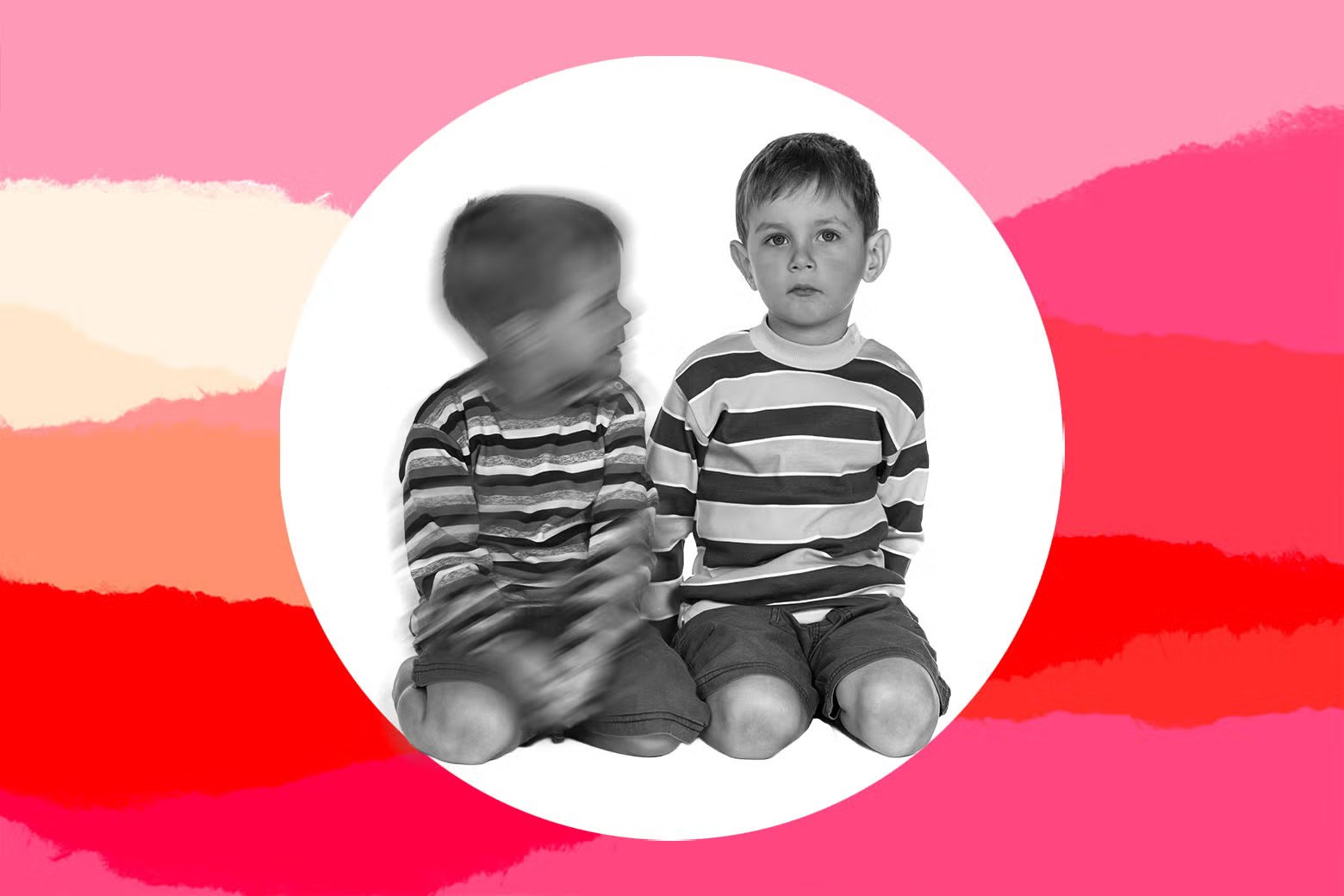
One reader, writing into Slate’s “Care and Feeding” advice column, recently expressed frustration over this exact dilemma. She and her friend “Beth” have toddlers who are both three years old. While Beth constantly romanticizes their future as inseparable school-age best friends, the reality is starkly different. The reader’s son is quiet and reserved, while Beth’s son is a high-energy “wild child.”
The dynamic often leads to friction, with Beth’s son frequently taking toys and intruding on the reader’s son’s play. While the reader feels compelled to intervene to create space, she notes with annoyance that Beth often dismisses the behavior, viewing the conflict as “cute” and an indicator of a lifelong bond. The reader is now left wondering: should she pull away entirely, or try to convince her friend that their boys simply aren’t a match?
Expert Perspective: Putting the Child First
In response to the reader, the advice column highlights that when facing a toddler friend mismatch, the priority must always be the comfort and preferences of the child.
The expert advice suggests that parents should look beyond their own desires for the friendship and observe their child’s reactions. Are they genuinely upset during these interactions, or is it just the normal, fleeting friction typical of three-year-olds? If the child is consistently distressed, it is a clear signal that the playdate structure needs to change.
How to Maintain the Friendship
Navigating a friendship when the children don’t click doesn’t have to be an “all-or-nothing” situation. Strategies for maintaining the adult relationship include:
- Shift the Focus: Suggest “child-free” hangouts. By prioritizing time for just the adults, you can maintain your friendship without forcing a dynamic that isn’t working for your children.
- Set Clear Boundaries: It is acceptable to gently push back on the “BFF” narrative. If a friend keeps projecting a future friendship onto the kids, a neutral response like, “They’re their own people, we’ll see who they gravitate toward as they grow,” can help reset expectations.
- Validate Your Child: If a playdate does happen, prioritize your child’s emotions. It is perfectly appropriate to intervene—not to discipline another child, but to acknowledge your own child’s feelings and help them communicate their needs.
Ultimately, the goal is to realize that children develop their own social preferences. While it might be convenient for the parents to have a “package deal,” both parents and children deserve the autonomy to find relationships that are genuinely mutually enjoyable. As they grow, kids will naturally gravitate toward peers who match their temperament and play style, and forcing a connection early on is rarely the key to a lasting friendship.