







Catastrophe in the Himalayas: A Timeline of the Deadly Nepal-Tibet Flood
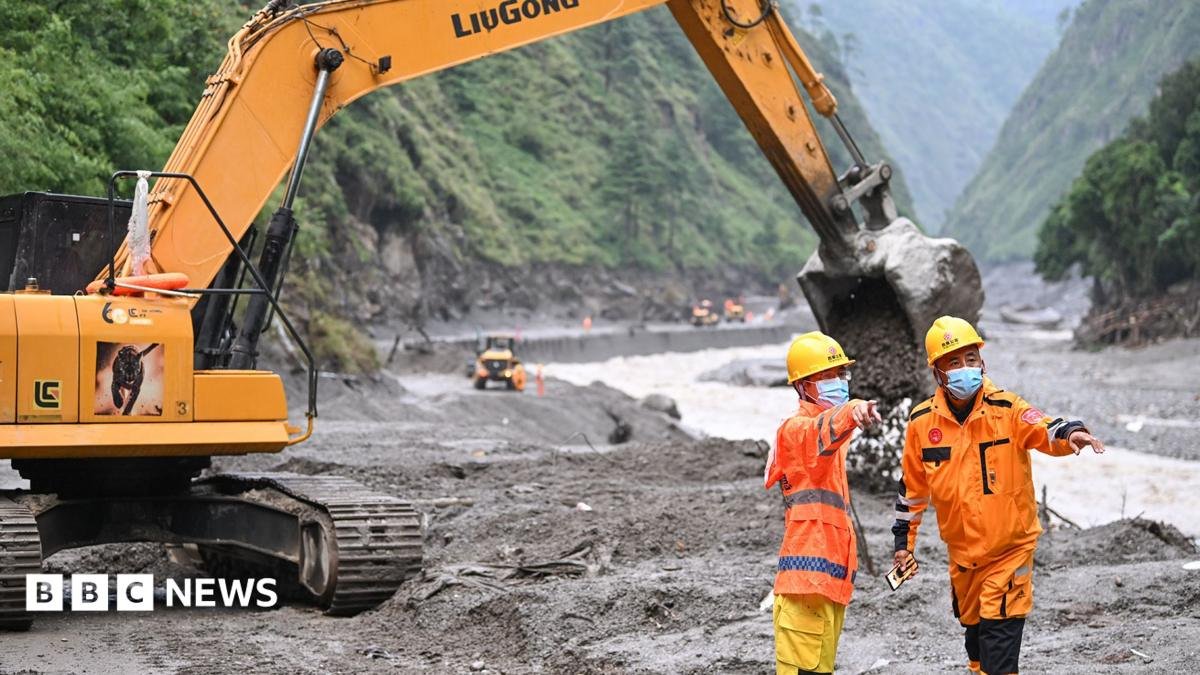
A massive, destructive surge of mud and glacial debris has devastated regions along the Nepal-Tibet border, triggering a desperate and unfolding humanitarian crisis. Nearly 48 hours after the disaster struck, search and rescue operations remain in a race against time, hampered by fears of a secondary flood as water levels rise behind a precarious natural dam.
What initially appeared to be a seismic event has been confirmed by the US Geological Survey (USGS) as a catastrophic glacial collapse. The resulting deluge claimed hundreds of lives and left a trail of ruined infrastructure, including obliterated roads, vehicles, and buildings.
Wednesday: A Morning of Devastation
The tragedy began at 08:37 local time on Wednesday, when a magnitude 5.2 event occurred near the border. While initially reported as an earthquake, the USGS later clarified that the event was a glacial collapse, which sent a wall of debris surging downstream.
By mid-afternoon, the scale of the disaster became clear. Authorities reported 384 people missing, including 291 foreign nationals; among them were 33 British citizens. As the day progressed, the toll rose sharply, with police confirming at least 17 deaths by 17:00. In response, the Nepalese government mobilized civilian and military personnel for a round-the-clock rescue operation.
Thursday: Rising Death Tolls and Growing Fears
As the search intensified on Thursday, the statistics grew increasingly grim. Authorities in China reported three deaths on the Tibetan side, alongside 558 missing. In Nepal, the number of recovered bodies climbed steadily throughout the day, eventually reaching 389. By the afternoon, the number of those missing across the region had swelled to over 900, with more than 500 foreign nationals among the count.
Tensions escalated by evening when the Chinese Ministry of Water Resources warned of a potential breach of a newly formed lake on the border, threatening further destruction. Amidst the chaos, the Dalai Lama issued a statement expressing his prayers for the victims. Late Thursday night, officials clarified that the source of the collapse originated on the Nepali side of the Himalayan range.
Friday: Ongoing Rescue Efforts
As of Friday morning, the situation remains critical. The Nepalese prime minister’s office announced the successful rescue of 350 people trapped in a tunnel near the Trishuli River, with military teams working urgently to extract another 100 survivors still caught inside.
As the region grapples with the aftermath of this deadly flash flood, rescue efforts continue under the constant threat of further instability. Thousands of families are currently waiting for word on missing loved ones as local and international teams navigate the perilous terrain.