








Southern Regions Brace for Extreme Fire Risk as Heatwave Persists
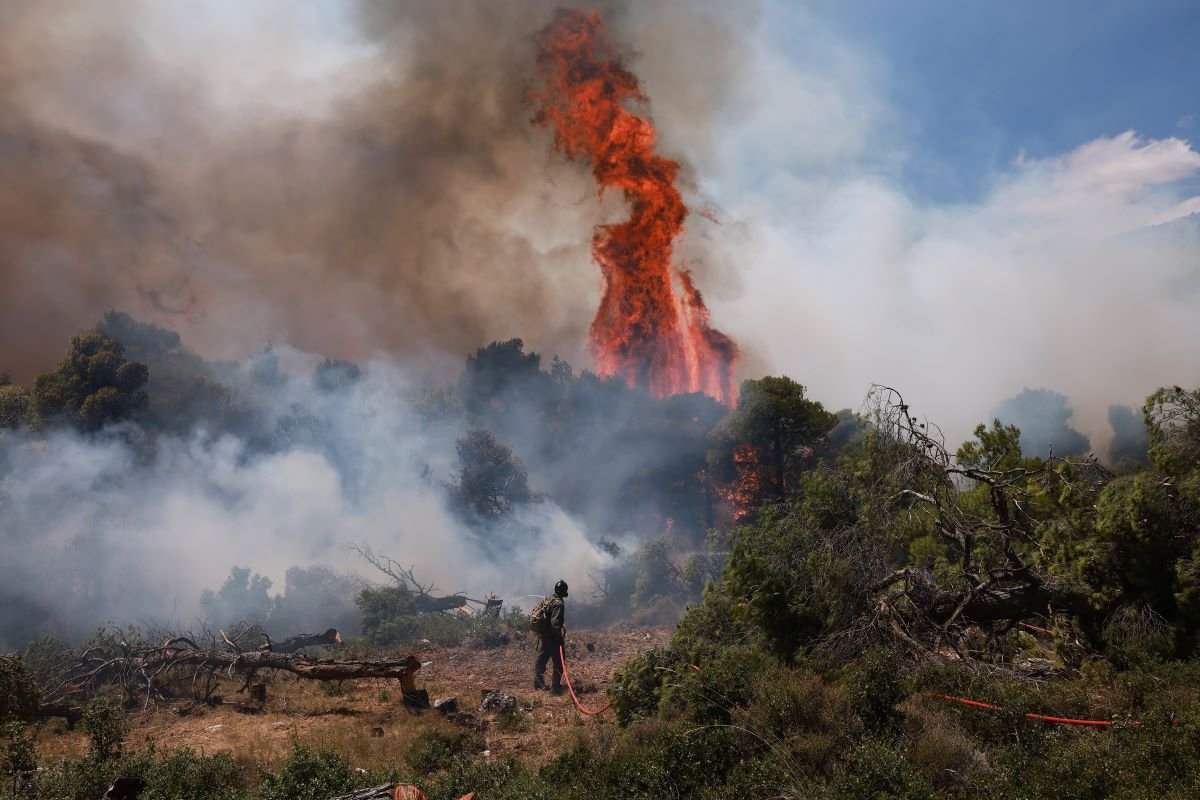
Authorities have issued urgent warnings for the nation’s southern regions, which are facing a “very high” risk of wildfires on Monday. The declaration comes as a prolonged period of hot, dry weather continues to grip the area, creating tinder-dry conditions across vast swathes of vegetation.
Meteorological services confirmed that the combination of elevated temperatures, low humidity, and consistent winds has pushed the fire danger index into critical territory. Emergency services are on high alert, urging residents and visitors alike to exercise extreme caution to prevent potential outbreaks.
Critical Advisory for Southern Regions
Impacted Area: Southern regions of the country
Risk Level: Very High Fire Risk
Date of Risk: Monday
Recommended Actions: Avoid outdoor burning, refrain from using machinery that could cause sparks, dispose of cigarettes properly, and be vigilant. Report any signs of smoke or fire immediately to emergency services.
“The situation in the south is becoming increasingly precarious,” stated Dr. Elena Petrova, a senior climatologist, during a press briefing earlier today. “We’ve observed significantly lower-than-average rainfall for several months, and with the current heatwave showing no immediate signs of abating, the vegetation is exceptionally dry. Any spark, no matter how small, could escalate into a devastating blaze.”
Local fire departments have already initiated advanced preparedness protocols, including pre-positioning additional firefighting units, increasing aerial surveillance, and activating volunteer networks. Public awareness campaigns have also been intensified, broadcasting critical safety messages across various media channels.
The economic implications of such fires can be severe, impacting agriculture, tourism, and local economies. Furthermore, the environmental toll, including habitat destruction and air quality degradation, presents long-term challenges. Residents in areas prone to wildfires are advised to review their emergency evacuation plans and ensure their properties have adequate defensible spaces.
This elevated risk is not an isolated incident but rather a recurring challenge exacerbated by changing climate patterns. Experts warn that the frequency and intensity of such extreme fire weather events are likely to increase, necessitating more robust and proactive mitigation strategies.
Authorities are appealing to the public for cooperation and vigilance. “Every individual has a role to play in preventing wildfires,” urged Fire Chief Marcus Thorne. “Please adhere to all fire bans, avoid any activities that could generate sparks, and if you see even the smallest plume of smoke, report it immediately. Early detection is our most effective tool in containing these dangerous events.”
The national meteorological office predicts that while temperatures may see a slight dip towards the end of the week, the underlying dry conditions are expected to persist, keeping the overall fire risk elevated for the foreseeable future. Further updates will be provided as the situation evolves.