








The Resurgence of the Nikkei and the Dominance of Artificial Intelligence
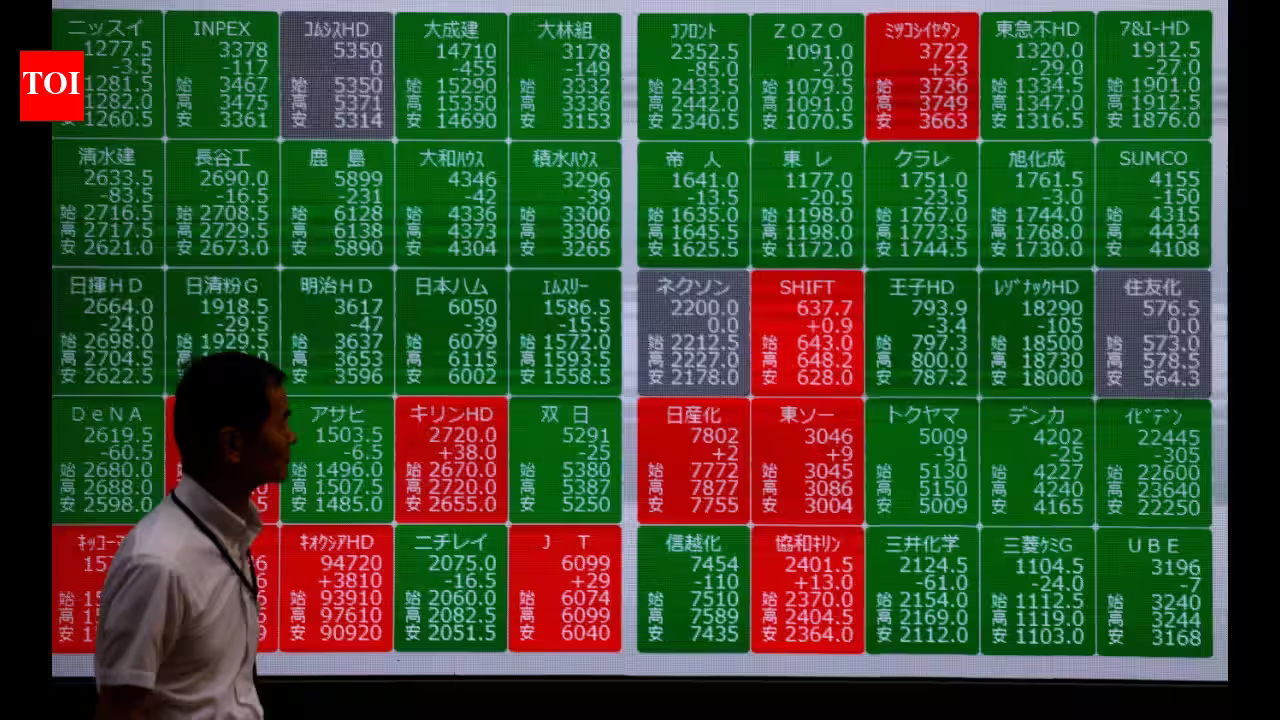
The recent performance of the Nikkei 225, which saw the index surge past the 70,000 mark for the first time in three months, signals a pivotal shift in investor appetite within the Japanese equity market. This rally, characterized by a 2.53% gain, is heavily tethered to the global enthusiasm surrounding artificial intelligence (AI). As semiconductor manufacturing and AI infrastructure become the primary engines of modern economic growth, Japanese technology firms such as Tokyo Electron and Advantest have emerged as essential conduits for global capital.
However, market analysts advise caution. While the rally is substantial, it lacks the broad-based fervor observed earlier in the year when the Nikkei reached historical record highs. The current climate is defined by selectivity. Investors are no longer blindly funneling funds into any firm with an AI narrative; they are scrutinizing balance sheets and growth sustainability. The modest recovery of companies like Kioxia—which remains well below its mid-year peaks—serves as a reminder that legacy technology firms with heavy historical baggage face a tougher path to recovery compared to the high-growth, high-margin leaders in the semiconductor sector.
Global Macroeconomic Tailwinds and Federal Reserve Influence
The upward trajectory of the Japanese market does not exist in a vacuum. It is deeply influenced by the ripples emanating from the United States Federal Reserve’s monetary policy. The recent US jobs data, which came in weaker than anticipated, has altered the trajectory of expectations regarding interest rate hikes. By cooling expectations of aggressive tightening, the US market provided the necessary oxygen for international indices, including the Nikkei, to breathe.
For Japanese financial institutions like Mitsubishi UFJ Financial Group and Mizuho Financial Group, these global macroeconomic conditions are critical. A stabilized interest rate environment allows Japanese banks to manage their portfolios with greater clarity. When the threat of rampant, uncontrollable rate hikes diminishes, financial equities often see a valuation correction that reflects a more stable domestic lending environment. For global investors, the correlation between US labor statistics and Japanese tech valuations underscores the high degree of integration within the modern financial ecosystem.
The Fiscal Dilemma and Rising Bond Yields
While the equity markets celebrate, Japan’s bond market presents a contrasting and more cautionary narrative. The climbing of the 30-year government bond yield to a record 4.235% is a significant departure from the historical low-interest-rate environment that has defined Japan for decades. This pressure on longer-dated debt is fundamentally tied to the fiscal outlook under the leadership of Prime Minister Sanae Takaichi.
The bond market is effectively pricing in the risk associated with potential fiscal expansion. Investors are increasingly wary of the government’s spending trajectory, fearing that ambitious stimulus programs may undermine fiscal discipline. This is a classic “bond vigilante” response, where the debt market signals its discomfort with government policy by demanding higher premiums. The divergence between the equity rally and the bond market decline suggests a market that is betting on corporate profitability while simultaneously worrying about the sustainability of the sovereign debt framework.
Implications for the Indian Financial Landscape
The developments in Japan offer several instructive takeaways for the Indian business and investment community. As India continues to position itself as a global manufacturing and technology hub, the volatility seen in the Japanese semiconductor and AI sectors provides a blueprint for what to expect during the next phase of Indian capital market expansion.
First, the “selectivity” noted in the Japanese market—where only specific AI-linked winners are thriving—is a phenomenon already visible in India’s IT services and manufacturing sectors. Indian investors are similarly moving away from broad index-based optimism toward fundamental analysis of firms involved in digital transformation and local electronics production.
Second, the rising bond yields in Japan serve as a pertinent case study for India’s own fiscal management. As India navigates the delicate balance between high capital expenditure on infrastructure and the need to keep fiscal deficits under control, the Japanese experience of rising long-term yields acts as a cautionary tale. When central banks and governments lean heavily into stimulus, the bond market serves as the ultimate arbiter of confidence. If the market perceives that government spending is ballooning without a clear path to revenue generation, the resulting cost of borrowing can hinder private investment. For India, maintaining macro-stability remains the bedrock upon which equity market growth is built.
Predicting the Future of Policy and Market Sentiment
The focus for the coming quarter remains on the policy discourse originating from Tokyo. Prime Minister Takaichi’s parliamentary address carries significant weight, as it serves as a litmus test for her administration’s approach to reflationary policy. If the administration indicates a pivot toward austerity or a more conservative fiscal approach, the bond market may find some relief. Conversely, if the focus remains on aggressive expansion, the pressure on government bonds may persist, potentially leading to further volatility in the yen and, by extension, the broader financial markets.
The Japanese market is currently navigating a period of adjustment. While the integration of AI-related technologies offers a powerful structural tailwind for equity prices, the macro-fiscal challenges create a drag on sovereign debt valuations. For investors, the lesson is clear: current market performance is increasingly bifurcated. The growth share index in Japan is currently outperforming value shares, reflecting a market that is prioritizing the long-term potential of technology over the near-term safety of traditional, value-based holdings.
Ultimately, the Japanese experience highlights a modern paradox: the rise of high-tech productivity alongside concerns over state fiscal health. As international capital flows look for safe havens and high-growth opportunities, Japan’s dual performance—booming tech stocks and strained bond yields—serves as a reflection of the larger complexities facing mature economies. Whether the AI rally can sustain the market in the face of fiscal uncertainty will be the defining theme for Japan’s financial sector in the coming months, providing a vital watchpoint for global investors and observers in emerging markets like India.
Disclaimer: This content is auto-generated for informational purposes only.
Source: Read Original News