







Addressing the RTX 5090 Supply Chain Crisis
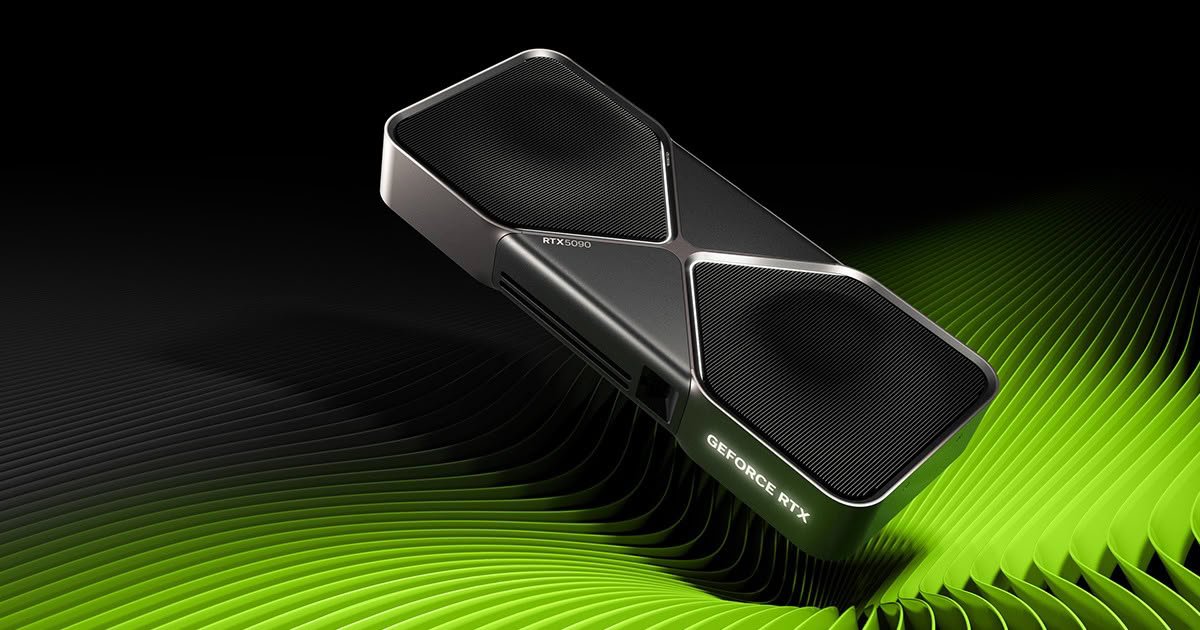
For the past week, the high-performance computing community has been gripped by rumors regarding the status of NVIDIA’s flagship consumer graphics card, the GeForce RTX 5090. Speculation reached a fever pitch as reports circulated that the company had halted the allocation of GB202 silicon to board partners, effectively signaling an end-of-life status for the flagship product. Adding to the concern, the GPU disappeared from major storefronts, including NVIDIA’s own internal marketplace and major retailers like Micro Center, leading many to believe the card had been quietly retired.
However, NVIDIA has officially stepped forward to clarify the situation. During the RTX Spark launch event in Taipei on October 16, Jeff Fisher, senior vice president of NVIDIA’s personal computing business, addressed these reports directly. In statements provided to Taiwanese media outlets 4Gamers and the Central News Agency, Fisher confirmed that the rumors of the RTX 5090 being discontinued are categorically false. According to Fisher, while the supply chain is experiencing significant pressure, the company remains fully committed to maintaining the presence of the RTX 5090 in the consumer marketplace.
Understanding the Nature of Supply Constraints
Fisher’s commentary sheds light on the broader challenges currently facing the semiconductor industry. While the rumors of a total cessation of production were incorrect, the acknowledgment of “constrained capacity” suggests that the scarcity consumers are facing is structural rather than strategic. The GB202 silicon, which powers the RTX 5090, is a highly complex piece of engineering. Its production requires advanced lithography processes and high-bandwidth memory (HBM) or GDDR7 integration that remains in high demand across multiple sectors, including enterprise AI and professional workstations.
Fisher explicitly stated that NVIDIA is working at full capacity to bring these products to market. The scarcity, therefore, should be viewed as an issue of manufacturing throughput and logistical hurdles rather than a deliberate withdrawal of the product from the consumer segment. By framing the issue as a global industry problem, NVIDIA is attempting to temper expectations for immediate availability while reaffirming the central role that the GeForce brand continues to play in the company’s revenue architecture.
The Complexity of GB202 Silicon Allocation
A significant point of confusion remains regarding Fisher’s mention of “other variants” of the RTX 5090 chip. The GB202 architecture serves as the foundation for both elite consumer gaming cards and high-end professional workstation hardware, such as the RTX PRO 6000 and the recently unveiled RTX PRO 5500. This multi-purpose utility creates a natural tension in supply allocation. When demand from data centers and professional research facilities spikes, consumer GPU availability often fluctuates as NVIDIA shifts its silicon allocation to address the most lucrative or time-sensitive orders.
While Fisher assured the public that the RTX 5090 is not being discontinued, he did not explicitly clarify whether board partners—the companies responsible for manufacturing the custom-cooled cards that populate retail shelves—would see an immediate influx of fresh GB202 chips. For the average enthusiast, this creates a situation of “official availability” without “retail accessibility.” The distinction is critical: NVIDIA continues to support the product, but the path from factory to consumer remains throttled by the high demand for the same silicon in enterprise-grade workstations.
Market Impact and Price Volatility
The impact of this supply uncertainty has been immediate and severe for consumers. The RTX 5090 carries an MSRP of $1,999, a price point that is already substantial. Yet, due to the combination of manufacturing constraints and the perceived shortage, the actual transaction price for the unit has skyrocketed. In markets like Germany, prices have climbed drastically since the beginning of the year, and in North America, third-party listings on platforms such as Amazon and Newegg have seen the card listed for as much as $8,000.
This massive markup reflects a classic supply-demand imbalance, exacerbated by the initial rumors of the product being canceled. When shoppers believe a product is going to be discontinued, panic buying occurs, which further drains existing stock and pushes secondary market prices to unreasonable levels. Fisher’s public rebuttal serves as a stabilizing force, but until the supply chain stabilizes and retail inventory levels increase, the average consumer will likely continue to face extreme difficulty in acquiring an RTX 5090 at anything resembling a reasonable price.
The Future of High-End Desktop Computing
Ultimately, the commitment NVIDIA has signaled suggests that the flagship enthusiast market remains a priority, even if the logistics of delivering that promise are currently being tested. The RTX 5090 represents the pinnacle of modern graphics technology, leveraging the latest architectural advancements to drive extreme resolutions and ray-tracing performance. Its continued production is vital for the company’s brand image, as it provides a showcase for what is technically achievable.
For those waiting to purchase the card, the immediate takeaway is one of patience. While the hardware is not vanishing, it will likely remain a scarce commodity for the foreseeable future. Industry observers should expect continued volatility in pricing until NVIDIA can resolve the capacity constraints at the foundry level. As the company continues to juggle the demands of its consumer gaming division alongside its explosive growth in workstation and AI hardware, the RTX 5090 will remain a symbol of both the power and the volatility inherent in today’s GPU market.
Disclaimer: This content is auto-generated for informational purposes only.
Source: Read Original News