







One Nation Claims Stunning By-Election Victory in Western Australia, Sending ‘Shock Waves’ Through Labor Heartlands
PERTH – The political landscape in Western Australia has been thrust into a state of flux after One Nation secured a landmark victory in the Secret Harbour state by-election, prompting senior federal figures to warn that the days of “safe” Labor seats may be numbered.
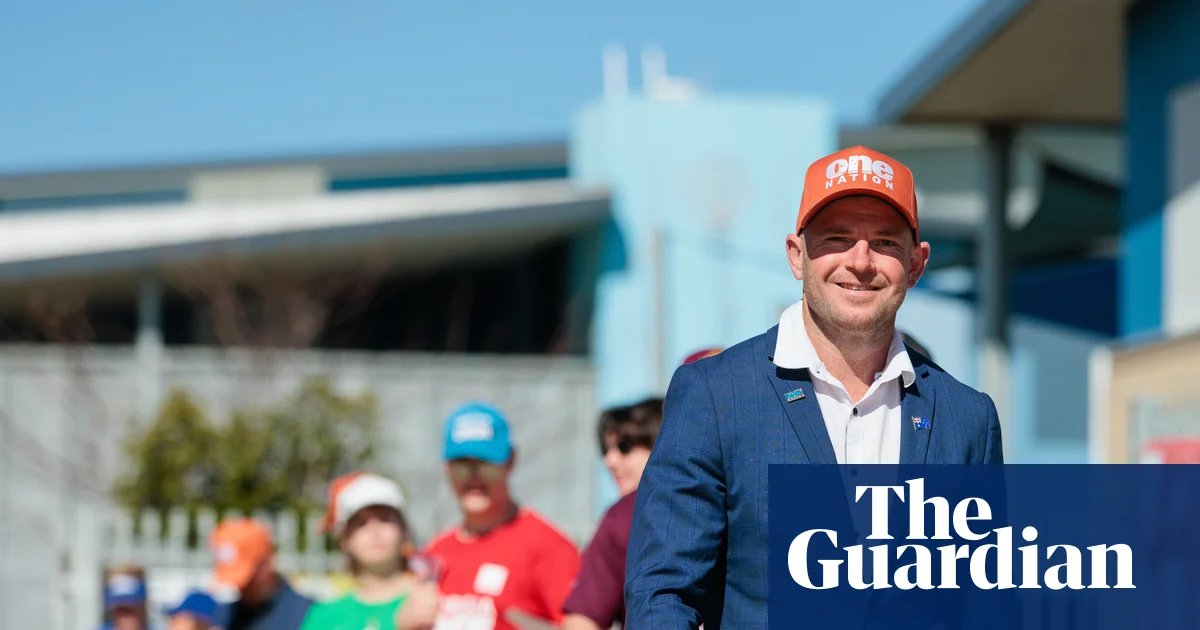
One Nation candidate Luke Herdegen defeated Labor’s Georgia Tree with a decisive 57-42 margin after preferences, with roughly 74.5% of the vote counted by Sunday morning. The seat, located in the beachside outer-suburbs south of Perth, was left vacant following the mid-term retirement of senior Labor minister Paul Papalia.
The result has sent a clear message to the major parties, with federal Coalition MP Barnaby Joyce declaring that “politics has changed.” Speaking to News24, Joyce suggested that the electorate is hungry for competition and that voters who previously aligned with Labor are increasingly comfortable shifting their support to One Nation.
“They want a more dynamic political market,” Joyce said. “We’re not going to get hubristic, but we’re playing a good game.”
A Warning to the Establishment
Rod Caddies, the WA leader of One Nation, claimed victory late Saturday night, asserting that the result would send “shock waves across the entire country.” He boldly claimed that the era of safe Labor seats—both at the state and federal levels—has effectively come to an end.
Party leader Pauline Hanson echoed this sentiment on social media, framing the result as a wider rejection of the “tired old uni-party” system. “The result in Secret Harbour should be a warning to Labor, we’re coming for more of your seats,” Hanson wrote on X (formerly Twitter).
While federal Labor cabinet minister Pat Conroy attempted to downplay the significance of the result, labeling it a “tough day for WA Labor” and cautioning against extrapolating local results to national trends, the unease within the major parties is palpable.
WA Premier Roger Cook, who admitted prior to the count that the potential defeat would “break my heart,” is now facing significant questions regarding his government’s standing in the “mortgage-belt” electorates.
Liberal Party Struggles for Direction
The Liberal Party finished a distant third with just 17% of the primary vote, a result that has triggered internal soul-searching. Federal Liberal frontbencher Jon Duniam described the outcome as “not good” and emphasized that the party must urgently work to rebuild trust with its traditional base.
The loss has also exacerbated internal friction within the Liberal ranks. Some party members have openly criticized WA Liberal leader Basil Zempilas for appearing to suggest that a One Nation win would still be a “victory” for the Liberals, a sentiment Shadow cabinet minister Andrew Hastie famously rebuked as waving the “white flag” to Hanson.
Duniam on Sunday reaffirmed that the Liberal Party must focus on its own platform rather than contemplating alliances. “We shouldn’t be talking about being open-minded to work with particular other parties… when we start talking about conceding or finding ways to work with other people before we’ve even run the race, then people are not going to back us.”
Cost-of-Living Drives Voter Sentiment
On the ground in Secret Harbour, the result was driven by a potent mix of economic anxiety and dissatisfaction with the status quo. Voters consistently cited cost-of-living pressures, housing affordability, and a perceived lack of community amenities as their primary concerns.
For many, the appeal of One Nation was not just ideological, but rooted in a desire for a change in representation. Luke Pors, a local resident and Qantas flight attendant who cast his vote for Herdegen, suggested that voters were moving toward the party as a “serious alternative.”
“He’s like a home buddy and obviously a youngie; we can really connect with him,” Pors said.
As the dust settles on the Secret Harbour by-election, both the Labor government and the Liberal opposition face a common challenge: re-engaging with voters who, for now, appear increasingly disillusioned with the traditional two-party system.