










BackgroundWhen the track Sarke Chunar Teri Sarke from the pan-India film KD: The Devil was released in March this year, it drew criticism over its objectionable lyrics and vulgar and regressive visuals. Viewers also criticised the choreography and styling, arguing they were sexually explicit. The song was removed from online platforms.Around the same time, Badshah’s Haryanvi song Tateeree also sparked controversy as its lyrics and visuals objectified women and minors. Critics took issue with the use of girls in school uniforms, saying it sexualised young girls and reinforced misogynistic stereotypes. The backlash led to multiple complaints, a Haryana State Commission for Women summons, and an FIR over alleged obscene content. Badshah later apologised and pulled the song and its video before releasing an edited version, Tateeree Phir Se , with the lyrics and visuals changed.Songs in Hindi cinema and tracks by Punjabi and Hindi rappers have frequently come under scrutiny for lyrics considered objectionable, sexually suggestive or laden with double meanings. The debate intensified after the #MeToo movement, with social media users, women’s organisations and content creators increasingly questioning the portrayal of women in popular music.Recently, rapper Badshah and actors Sanjay Dutt and Nora Fatehi travelled to Delhi not to promote their latest projects but to appear before the National Commission for Women (NCW) after being summoned over songs the Commission said undermined the dignity of women.In a suo motu case over the song Tateeree , directors Joban Sandhu and Mahavir Singh, along with producer Hiten, also appeared before the Commission. The NCW said certain lyrics portrayed women primarily as objects of attraction rather than as individuals with agency, dignity and equal standing in society.Sanjay Dutt and Nora Fatehi were summoned over concerns regarding the alleged vulgarity and indecent representation of women in the song Sarke Chunar Teri Sarke . While the Commission did not seek punitive action, it called those associated with both the songs to explain their creative choices and discuss the broader impact such content can have on audiences.NCW Chairperson Vijaya Rahatkar speaks to us about the Commission’s concerns over these songs, whether the increasing number of such cases reflects a larger cultural shift, and whether the corrective measures promised by the celebrities involved can lead to meaningful change.
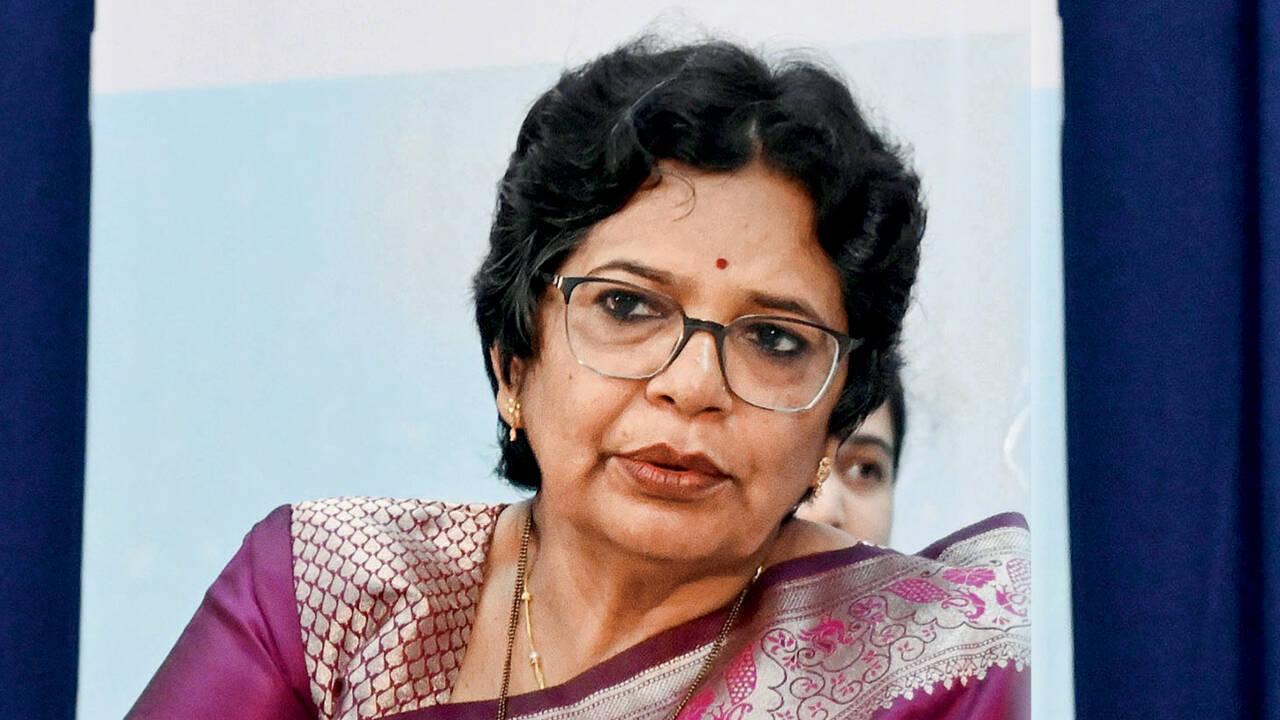
NCW Chief Vijaya Kishore Rahatkar
The debate over misogynistic lyrics and the portrayal of women in popular music is hardly new. Over the years, colleges have cancelled performances by some rappers, while controversial songs have repeatedly sparked public outrage over their lyrics and depiction of women.“What concerns us is not the number of cases involving celebrities, but the increasing prevalence of content that normalises the objectification and trivialisation of women. With the growth of digital platforms, music videos and social media, content reaches millions within hours, especially young audiences who are still forming their views about gender and relationships. Our interventions are not directed at individuals because of their fame, they are based on the message being communicated. When content appears to undermine women’s dignity or reinforce harmful stereotypes, the Commission has a responsibility to engage with creators and seek greater accountability,” shares NCW Chairperson Rahatkar.Speaking about Badshah’s case, the NCW chief says the Commission’s concern was that certain lyrics appeared to portray women primarily as objects of attraction rather than as individuals with agency, dignity and equal standing in society.“Language plays a powerful role in shaping public attitudes, and repeated references that reduce women to their physical appearance can contribute to a culture where respect and equality are diminished. Our objective was not to single out an artiste or restrict creativity. Rather, we wanted to initiate a conversation about the influence popular music has on audiences and encourage greater sensitivity in the way women are represented in widely consumed entertainment content,” she adds.
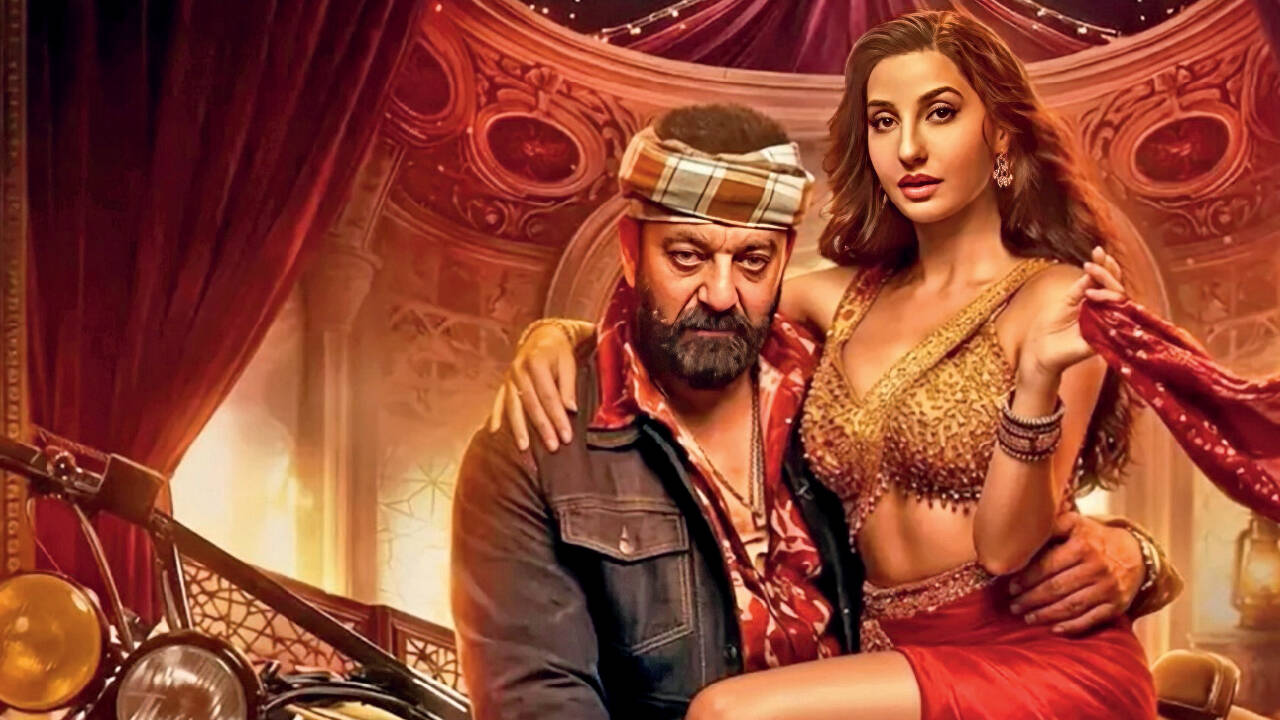
In Sarke Chunar , the Commission’s concern was not merely about innuendo or double meanings
‘Some of the lyrics of Sarke Chunar were so objectionable that I would not feel comfortable repeating them’In Sarke Chunar , the Commission’s concern was not merely about innuendo or double meanings. “The content contained expressions and portrayals that directly undermined the dignity of women and reduced them to objects of entertainment. In fact, some of the lyrics were so objectionable that I would not feel comfortable repeating them, even in the course of discussing the matter publicly. When the concerned individuals appeared before the Commission, they listened to our concerns with seriousness. They expressed regret that the content had caused offence and assured the Commission that they would exercise greater sensitivity in future projects. They also conveyed that such issues would not be repeated. For us, the objective was never punitive action but constructive engagement and encouraging a more responsible portrayal of women in popular culture,” explains Rahatkar.‘Meaningful change is often the result of consistent efforts’Rahatkar says shifts in social attitudes are rarely instantaneous and are instead built over time through sustained interventions. “While no single initiative can transform society overnight, meaningful change is often the result of consistent efforts across education, policy, community engagement and media,” she says.‘Our approach is guided by constitutional values. Public outrage may draw attention, but our decisions are guided by principle, not trends’Public outrage and social media backlash often accompany such controversies. Beyond public sentiment, what criteria does the Commission use to determine whether content is unacceptable or harmful to women, we ask.“We assess content against broader considerations, including whether it objectifies women, promotes degrading stereotypes, normalises discrimination, glorifies violence, or undermines women’s dignity and equality. We also evaluate the likely impact of such content on social attitudes, particularly among children and young adults. Our approach is guided by constitutional values, existing legal frameworks, and the larger objective of creating a respectful and inclusive society. Every matter is examined carefully before any action or communication is initiated by the Commission. Public outrage may draw attention to an issue, but our decisions are guided by principle, not trends,” says Rahatkar.Most who appeared before the Commission responded positively, assuring the NCW they would avoid content that undermines women’s dignity. Badshah and Sanjay Dutt also pledged to support girl child education, with Dutt sponsoring 50 tribal girls and Badshah backing 50 girls from economically weaker sections while promising a song on women’s empowerment. Nora Fatehi apologised, affirming no intent to offend, and pledged to support the education of orphan girls.‘There is a distinction between artistic expression and content that normalises objectification’Artistes have often argued that such interventions curb creative freedom. However, the Commission maintains that its role is not to censor art but to encourage greater responsibility in the way women are portrayed in popular culture. “Our interventions are not intended to censor creativity or dictate artistic choices. Rather, they seek to encourage reflection on how content may affect public attitudes, particularly towards women and girls. There is a clear distinction between artistic expression and content that normalises objectification, discrimination or disrespect. We believe creators can produce bold, innovative and commercially successful work while still upholding the values of dignity, equality and respect,” says Rahatkar.