









Greece is facing a deepening environmental crisis as a prolonged drought continues to deplete critical groundwater reserves across the country. According to a comprehensive 2025 report by the Hellenic Authority for Geological and Mineral Exploration (EAGME), the nation’s underground water security is becoming increasingly precarious, driven by a volatile combination of diminished rainfall, agricultural intensity, and the unchecked demands of a booming tourism sector.
The authority’s assessment, which tracks 588 water bodies across 2,074 monitoring stations, paints a stark geographic divide regarding water health. While western regions—specifically Epirus and western Central Greece—remain relatively stable with robust water quantities and quality, the outlook for the eastern half of the country is dire.
In Attica and across the Aegean islands, where water scarcity has long been a challenge, the situation has moved from chronic to critical. The report highlights that coastal aquifers have suffered widespread degradation. On islands such as Aegina and Salamina, groundwater reserves have been almost entirely compromised by seawater intrusion. This phenomenon occurs when excessive pumping of freshwater leads to a drop in the water table, allowing saline ocean water to penetrate the land-based aquifers, rendering them unsuitable for both consumption and irrigation.
The Peloponnese presents a similarly concerning picture. While the western parts of the peninsula show stable water levels, eastern areas are experiencing rapid deterioration. In the Argolic plain, intensive pumping has accelerated the inland spread of saltwater, a trend that is becoming a defining feature of the region’s water management crisis. Furthermore, the presence of elevated nitrate and chloride levels in these areas points toward a dual threat: the exhaustion of the physical supply and the chemical contamination of the water that remains.
The agricultural sector remains a significant driver of this depletion and contamination. In Thessaly, while the overall rate of deterioration has plateaued, the quality of groundwater remains a major concern, with 21% of sites rated as having “poor” status due to the long-term accumulation of fertilizers and agricultural chemicals. In eastern Central Greece, monitoring stations have identified not only nitrates but also industrial pollutants, including hexavalent chromium, total chromium, and nickel. This cocktail of contaminants suggests that the country’s groundwater is under pressure from both intensive farming practices and industrial runoff, neither of which are currently being adequately mitigated.
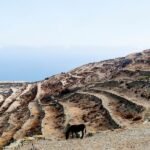
The Aegean islands, heavily reliant on a delicate balance of limited rainfall and underground storage, are perhaps the most visible victims of the intersection between climate change and economic development. The report notes that rising temperatures—a hallmark of the Mediterranean’s warming climate—coupled with the ever-increasing water consumption of the tourism industry, have pushed many island aquifers to their breaking point.
The data from the Hellenic Authority serves as a sobering indicator of the structural changes occurring beneath the surface of the Greek landscape. While the country has successfully avoided total failure in some regions, the trend line is clear: unless there is a fundamental shift in how groundwater is managed—particularly regarding agricultural extraction and the protection of coastal aquifers—the sustainability of water supplies for both local populations and the vital tourism industry remains at extreme risk. As climate models predict continued warming and more erratic precipitation patterns, the state’s ability to protect its remaining clean water reserves will likely become a defining challenge for the years ahead.
Disclaimer: This content is auto-generated for informational purposes only.
Source: Read Original News