



Strategic Implications of RBI Authorization for Paytm
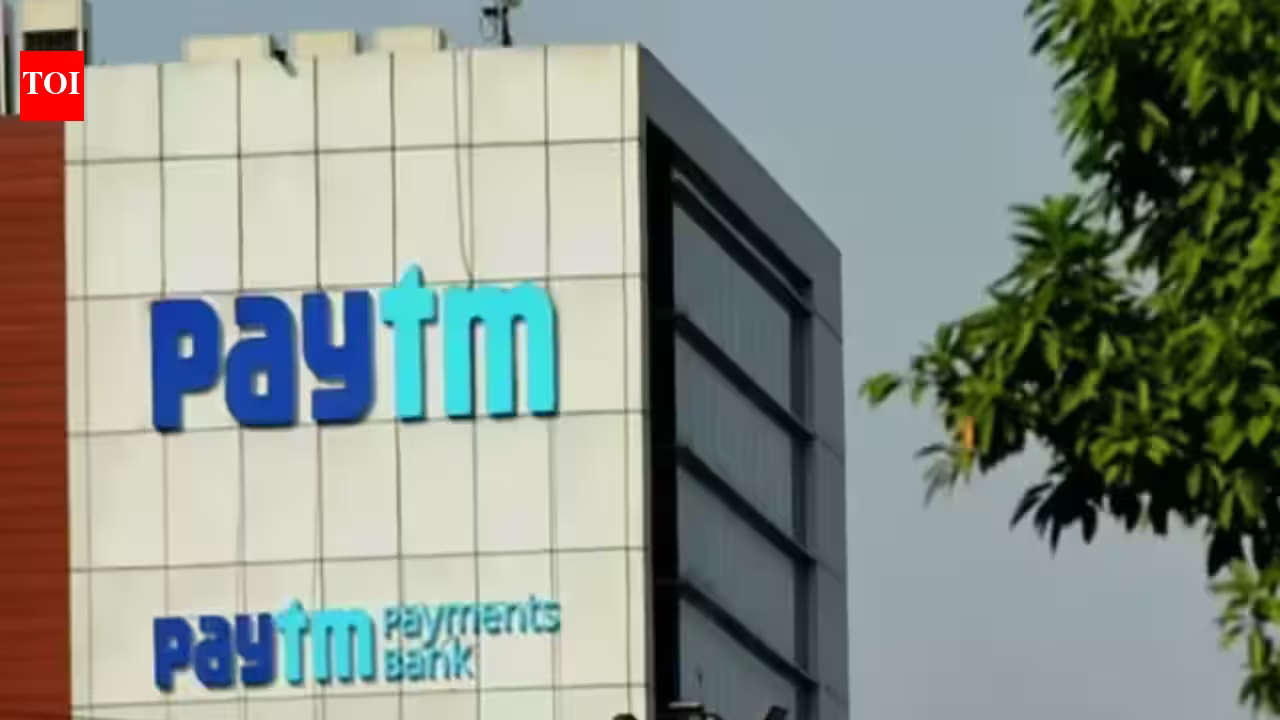
The recent receipt of in-principle authorization from the Reserve Bank of India (RBI) by Paytm Payments Services Limited (PPSL), a wholly owned subsidiary of One 97 Communications, marks a pivotal juncture in the company’s trajectory within the Indian fintech landscape. This regulatory nod, granted under the Payment and Settlement Systems Act, 2007, authorizes the entity to issue and operate Prepaid Payment Instruments (PPIs). This development is not merely an operational milestone; it represents a significant reclamation of regulatory trust and a gateway to expanding the firm’s digital payments infrastructure.
For a firm that has navigated significant scrutiny and regulatory headwinds in recent years, this authorization acts as a validator of its ongoing efforts to align with the central bank’s stringent master directions. By securing the capacity to operate PPIs, Paytm strengthens its ability to offer a comprehensive suite of financial services. Prepaid wallets serve as a cornerstone for digital inclusion in India, particularly for low-value, high-frequency transactions. This authorization empowers the company to leverage its extensive user base more effectively, ensuring that its service ecosystem remains sticky and indispensable to the millions of merchants and consumers who rely on its platform.
Market Sentiment and the Revaluation of One 97 Communications
The immediate market response to the RBI announcement was profound, with shares of One 97 Communications ascending to a record high of Rs 1,960. This rally reflects a recalibration of investor expectations regarding the company’s long-term profitability and regulatory risk profile. For much of its time since its 2021 market debut, the company’s stock price languished below its IPO valuation. However, the recent breach of the Rs 1,900 mark—the first time since listing—signals a shift in institutional confidence.
Market analysts have observed that the stock’s upward momentum is supported by a confluence of factors, including improved operating leverage and a sustained focus on merchant lending. The transition from a payment-centric model to one that integrates credit distribution and diverse financial services is clearly yielding results. The market now appears to be pricing in a trajectory where regulatory compliance and product expansion form the bedrock of sustainable growth. The renewed institutional interest, exemplified by top-tier global brokerage upgrades, suggests that the market has moved past the initial skepticism that plagued the firm during its formative post-IPO years.
The Evolving Landscape of UPI and Merchant Discount Rates
Beyond the immediate PPI authorization, the broader economic context for Paytm is heavily influenced by the regulatory landscape surrounding the Unified Payments Interface (UPI). The Indian digital payments market has undergone a radical transformation, driven by UPI’s ubiquity. A significant area of concern for all payment service providers has been the potential introduction of a Merchant Discount Rate (MDR) for UPI transactions.
The National Payments Corporation of India (NPCI) has managed this transition with caution, periodically deferring the introduction of an MDR framework. The industry expectation currently revolves around a proposed MDR of 40 basis points for person-to-merchant (P2M) transactions exceeding Rs 2,000. For a company with the scale of Paytm, even a fractional introduction of MDR would represent a substantial revenue lever. Analysts project that if such a framework were to be fully implemented, the revenue contribution could be as high as Rs 1,160 crore by fiscal year 2028. This potential revenue stream provides a clear hedge against the commoditization of payment processing services and offers a pathway to higher EBITDA margins.
Synergies Between Merchant Lending and Payments Infrastructure
A critical insight into Paytm’s business model is the increasing synergy between its payment rails and its lending operations. The company has moved beyond processing transactions to become a data-rich provider of financial insights to merchants. By maintaining a deep understanding of merchant cash flows through its transaction processing network, the firm is uniquely positioned to underwrite credit risks with greater accuracy than traditional banking institutions.
This dual-pronged strategy—using the payments business as a customer acquisition tool and the lending business as a margin-accretive engine—is the cornerstone of the company’s bullish projections. Brokerage forecasts suggesting a compound annual growth rate of 24% for revenue between FY26 and FY30 are predicated on the assumption that merchant lending will continue to expand. The PPI authorization is essential here, as it allows the firm to maintain the flow of funds within its ecosystem, thereby increasing the volume of data available to optimize lending products. By keeping users engaged within the wallet and payment infrastructure, the company reduces customer acquisition costs and improves the lifetime value of every merchant onboarded.
Navigating the Indian Regulatory and Competitive Environment
Operating in the Indian fintech sector requires a constant balancing act between innovation and regulatory adherence. The RBI’s stance on digital payment entities has shifted toward demanding higher transparency and risk management standards. The recent authorization granted to PPSL suggests that the company has made significant strides in addressing previous regulatory concerns. This development highlights a broader trend where established players, rather than just startups, are becoming the preferred partners for the regulator as it seeks to professionalize the digital economy.
Furthermore, the competitive landscape in India remains intense. With large-scale rivals and global tech giants vying for market share, the ability to operate as a full-service financial entity is essential. The PPI license allows Paytm to maintain its position as a primary interface for digital commerce. As the firm continues to scale, its ability to navigate the complex intersection of government policy, central bank mandates, and consumer demand will define its long-term viability. Investors and stakeholders are now focused on execution—ensuring that the authorization leads to a tangible increase in transaction volumes and, consequently, a more robust balance sheet.
Future Outlook and Strategic Consolidation
As the Indian digital ecosystem matures, the focus for firms like One 97 Communications must shift from mere volume growth to profitability and service integration. The path forward involves deepening the penetration of credit services and refining the user experience to ensure that the payment platform remains the first choice for consumers. The authorization for PPIs is a foundational element in this strategy, enabling the firm to build an interconnected financial service web that spans payments, credit, and potentially other high-value financial products.
The combination of a supportive regulatory environment, the potential for MDR-driven revenue, and a refined focus on profitable lending segments places the company in a strong position as it enters the next phase of its growth. While challenges related to market competition and regulatory oversight remain, the recent performance of the firm’s shares indicates that the market is optimistic about its ability to maintain its leadership in India’s dynamic digital payments sector. The coming years will be defined by how efficiently the company converts these regulatory permissions into enduring, margin-positive business lines that provide value to both its merchant partners and its shareholders.
Disclaimer: This content is auto-generated for informational purposes only.
Source: Read Original News