








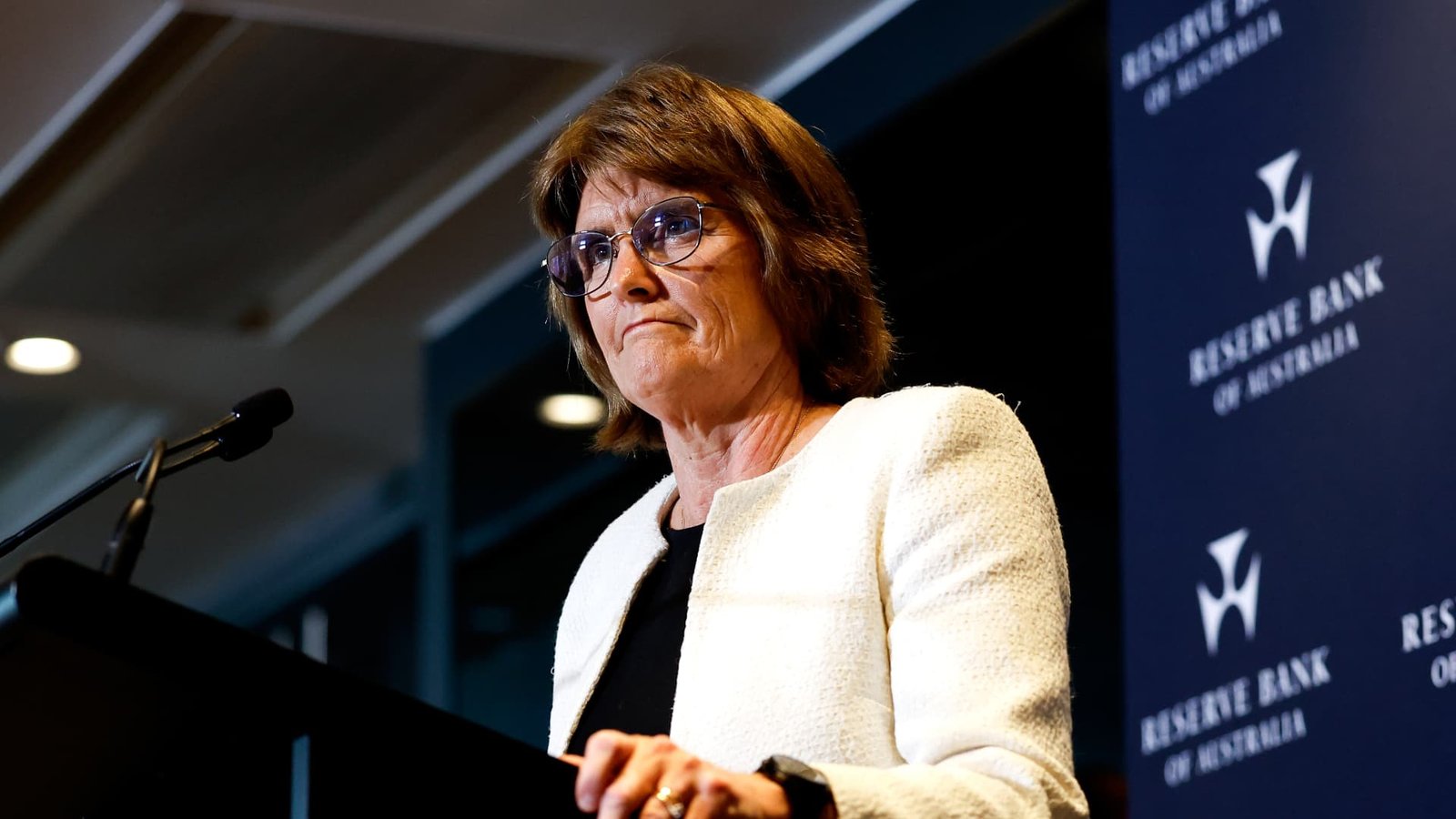
The Reserve Bank of Australia (RBA) took decisive action on Tuesday, hiking the official cash rate by 25 basis points to 4.6%. The move, which brings interest rates to their highest level in 15 years, underscores a deepening concern among policymakers regarding the persistence of inflationary pressures. The decision, widely anticipated by economists, marks the fourth increase this year, bringing the total tightening for 2026 to a full percentage point.
Geopolitical Volatility and the AI Demand Shock
The RBA’s decision to tighten monetary policy is largely a reaction to global forces that have complicated the domestic economic landscape. In its latest policy statement, the central bank explicitly cited the deteriorating situation in the Middle East, noting that the broadening conflict has pushed global energy prices significantly higher than previous models had predicted. These escalating costs are filtering through the Australian economy, creating a “sticky” inflation environment that has proven resistant to earlier rate hikes.
However, the RBA also highlighted an emerging factor influencing price stability: the rapid expansion of artificial intelligence. According to the bank, unprecedented demand for AI-related infrastructure and hardware is creating a distinct “tech-driven” price surge. As companies globally scramble to integrate generative AI and machine learning into their workflows, the cost of specialized semiconductors, high-performance computing clusters, and cloud-based enterprise software has escalated. This technology-led inflation is currently complicating the central bank’s attempts to bring consumer prices back into its 2%-3% target band.
Market Reaction and the Inflationary Outlook
Financial markets appeared largely unfazed by the announcement, with the S&P/ASX 200 and the Australian dollar remaining essentially flat immediately following the news. This suggests that the 25-basis-point hike was already heavily priced in by investors who have been closely watching the trend of accelerating core inflation.
Economists are now shifting their attention to Wednesday’s scheduled release of the August consumer price index (CPI). Recent data paints a concerning picture; while inflation fell to 3.5% in July, analysts at Bank of America have issued a stark warning that the trend is moving in the wrong direction. According to their latest research note, inflation is currently accelerating rather than converging toward the RBA’s target. The bank pointed to “second-round effects”—where higher energy and production costs for tech goods begin to feed into broader wage and service price increases—as evidence that inflation risks becoming entrenched in the Australian economy.
Balancing Growth Amid Rising Costs
The RBA has made it clear that its mission to curb inflation is not yet over, leaving the door wide open for further rate hikes if current data fails to show cooling. This hawkish stance comes at a difficult time for the Australian economy, which is already showing clear signs of deceleration. Growth slowed to 2.1% in the second quarter, down from 2.5% in the opening months of the year, as higher borrowing costs start to weigh on household consumption and business investment.
As the central bank navigates this “narrow path,” it faces a delicate balancing act. On one hand, it must combat the inflationary pressures caused by global energy volatility and the intense capital expenditure required to keep pace with the AI-driven global tech race. On the other, it risks stifling growth to the point of a more severe economic downturn. With the RBA vowing to “do what it considers necessary,” businesses and consumers alike are bracing for a prolonged period of high interest rates, signaling that the era of cheap credit is firmly a thing of the past.
Disclaimer: This content is auto-generated for informational purposes only.
Source: Read Original News