





Iran’s President Defies External Pressure During Landmark New Delhi Visit
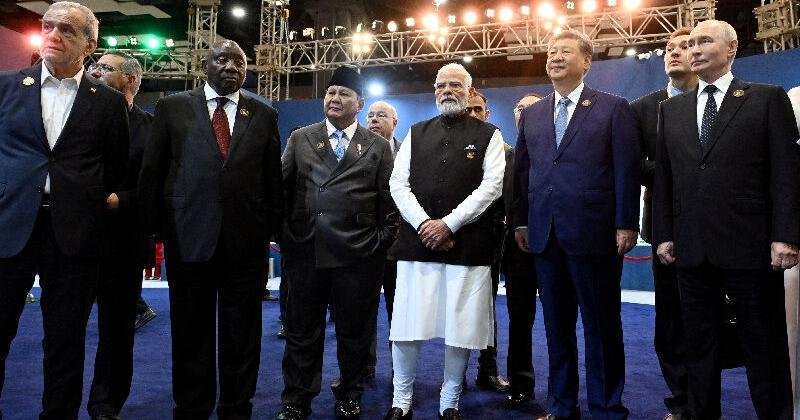
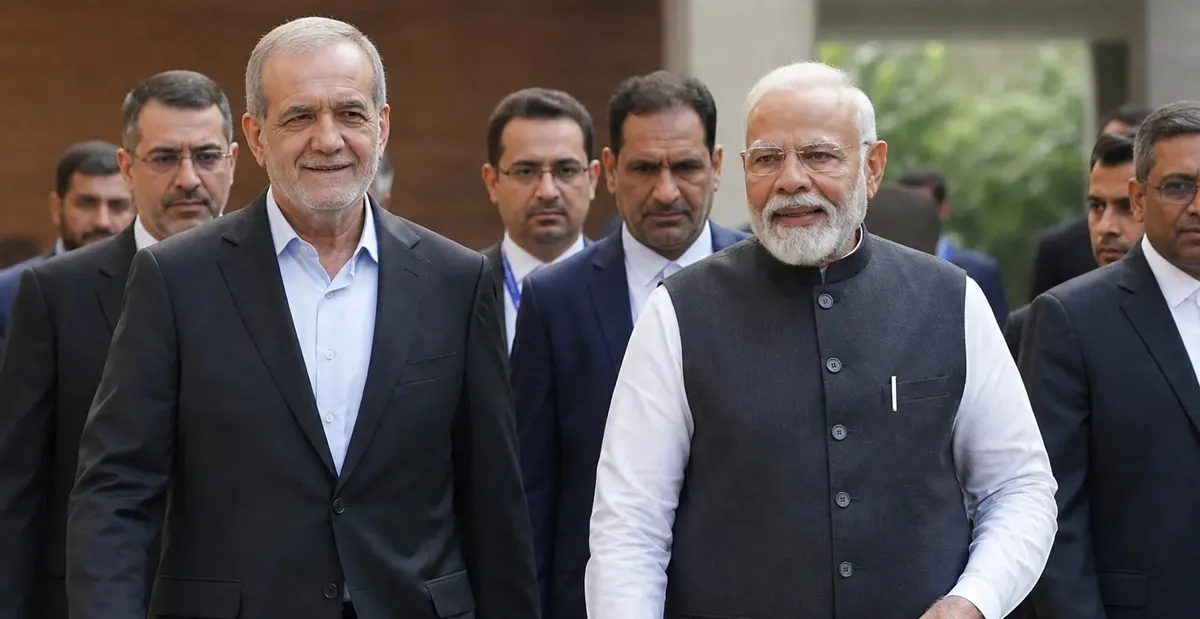
NEW DELHI — Iranian President Masoud Pezeshkian, currently in India to attend the high-profile BRICS summit, has sent a defiant message to the international community. During his first visit to the Indian capital, the Iranian leader addressed a gathering of religious figures, underscoring that Tehran possesses no intention of surrendering to United States-led pressure.
Amid rising geopolitical tensions, President Pezeshkian asserted that Iran has successfully withstood aggressive maneuvers from both the United States and Israel. He characterized the nation’s stance as one of unwavering resilience, stating that Iran would not yield to international intimidation, regardless of the scale of external hostility.
Diplomatic Tensions and the Modi-Pezeshkian Meeting
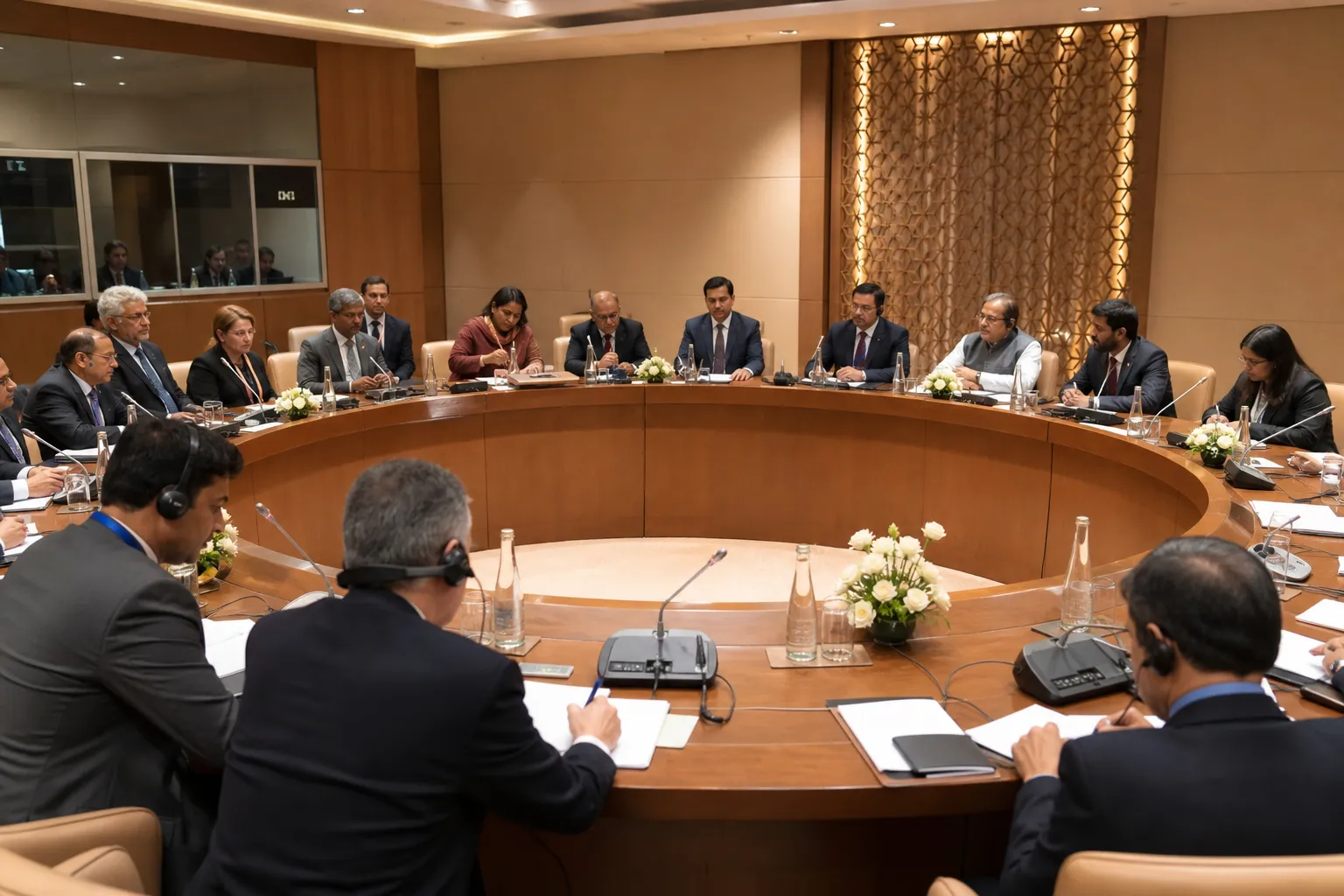
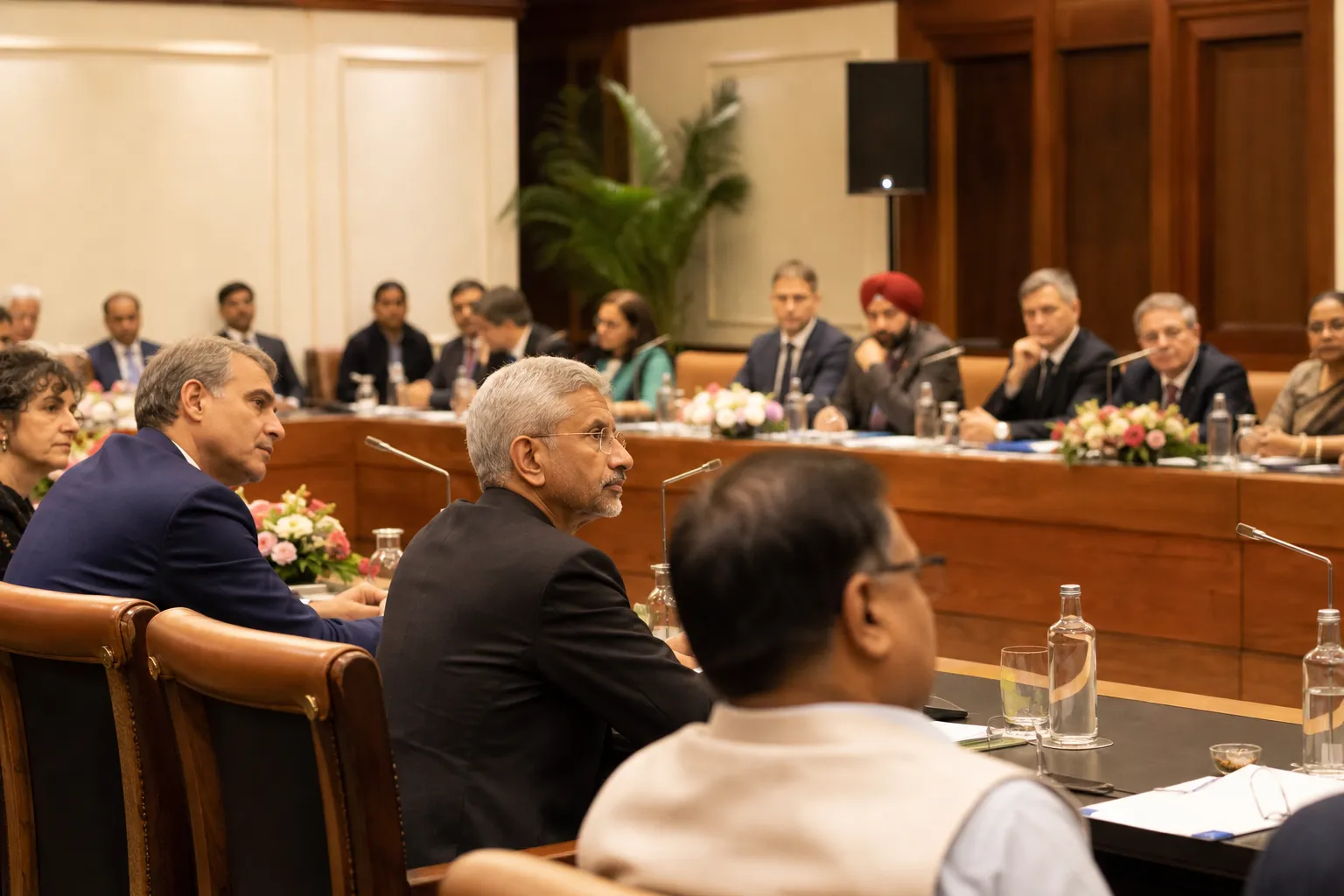
The Iranian President’s visit coincides with intense global scrutiny regarding the security of the Middle East. During high-level bilateral talks in New Delhi, Prime Minister Narendra Modi addressed the critical concerns facing India, particularly the safety of its citizens in the conflict-ridden region.
Prime Minister Modi emphasized that the sanctity of trade and the freedom of navigation are paramount for global stability. He reiterated India’s consistent position, urging both Iran and its adversaries to resolve the ongoing Middle East conflict through dialogue and diplomacy rather than military escalation. The Indian leadership remains particularly sensitive to the situation, given that the conflict has already resulted in the loss of 10 Indian sailors following attacks on vessels earlier this summer.
Pezeshkian’s firm rhetoric follows recent inflammatory comments from U.S. President Donald Trump, who suggested that Iran’s regional activities would have been neutralized long ago without American military intervention. Trump’s claim that Iran sought to target American cities and destabilize the Middle East has further widened the diplomatic chasm between Washington and Tehran.
The Economic Shadow Over India
The escalation of hostilities between the U.S. and Iran has placed significant strain on the global economy, with a direct and severe impact on India. Since February, when the current wave of conflict intensified, activity in the Strait of Hormuz—the world’s most vital maritime chokepoint—has slowed to a trickle.
For India, which relies on imports for nearly 85% of its fuel requirements, the turmoil in the strait represents a major national security and economic risk. The disruption of energy routes has already contributed to a notable rise in global oil prices, placing an additional burden on the Indian economy.
The situation has been exacerbated by the recurring detention of cargo vessels and sailors, who have remained stranded for weeks at a time. The death of Indian crew members in the Strait of Hormuz in July serves as a grim reminder of the high human cost of the regional standoff.
As the BRICS summit progresses, New Delhi’s role as a mediator is being tested. India continues to balance its strategic partnerships with both the West and Middle Eastern powers, hoping that its diplomatic outreach can prevent further disruptions to the vital energy supply lines that fuel its rapidly growing economy.
Disclaimer: This content is auto-generated for informational purposes only.
Source: Read Original News