









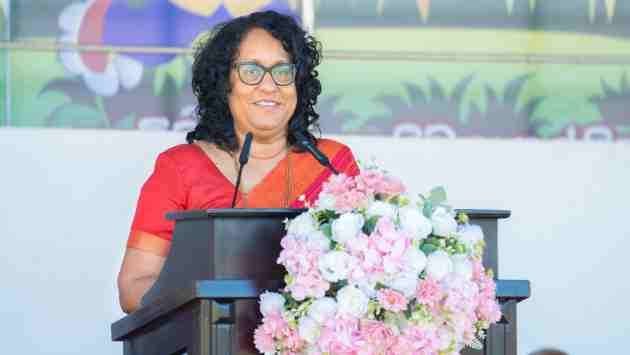
COLOMBO – Prime Minister Dr. Harini Amarasuriya has announced an ambitious national mandate to achieve comprehensive digital connectivity across all secondary schools in Sri Lanka by the end of this year. The initiative, which seeks to bridge the persistent digital divide in the education sector, aims to modernize classrooms and integrate technology into the foundational learning experience of the nation’s youth.
Speaking on the urgency of the project, the Prime Minister emphasized that access to digital infrastructure is no longer a luxury but a fundamental requirement for modern education. “The government is working tirelessly to ensure that by the conclusion of this year, every secondary school in the country is digitally connected,” Dr. Amarasuriya stated. “We are committed to leveling the playing field so that students in every province—from urban centers to the most remote villages—have equal access to the global repository of information.”
However, the government’s plan extends beyond mere hardware installation and internet access. Recognizing the myriad risks associated with unrestricted online presence, the Prime Minister placed significant emphasis on digital literacy and safety. As part of the rollout, the Ministry of Education is developing a structured framework to educate students, teachers, and parents on the safe and responsible use of digital tools.
“Connectivity alone is not enough; we must pair it with the necessary skills to navigate the digital landscape safely,” Dr. Amarasuriya noted. “We are prioritizing the implementation of robust safeguarding measures to protect our children from cyber threats, misinformation, and predatory online behaviors. The goal is to cultivate a generation that is not only tech-savvy but also critically minded and secure in how they engage with digital platforms.”
The strategy involves a multi-sectoral approach, coordinating with the Ministry of Technology and telecommunication providers to ensure stable and secure internet access. Officials have hinted that the initiative will include updated school curricula that place a heavier emphasis on computer science and ethical digital citizenship.
Education analysts have welcomed the move, noting that the COVID-19 pandemic laid bare the systemic inequalities in remote learning. By standardizing digital connectivity, the government hopes to prevent students from falling behind as higher education and the labor market become increasingly reliant on digital fluency.
While the timeline is aggressive, the Prime Minister expressed confidence in the ongoing collaboration between state agencies and private sector partners to meet the year-end deadline. As the project enters its implementation phase, the government is expected to release further guidelines regarding the specific technological standards and safety protocols that will be deployed in classrooms nationwide.
The initiative marks a pivotal shift in the national education policy, signaling a transition toward a digitally integrated future where the safety and empowerment of the student remain the primary objectives.
Disclaimer: This content is auto-generated for informational purposes only.
Source: Read Original News