








Diplomatic Standoff: Prime Minister Tarique Rahman’s Maiden India Visit Put on Hold
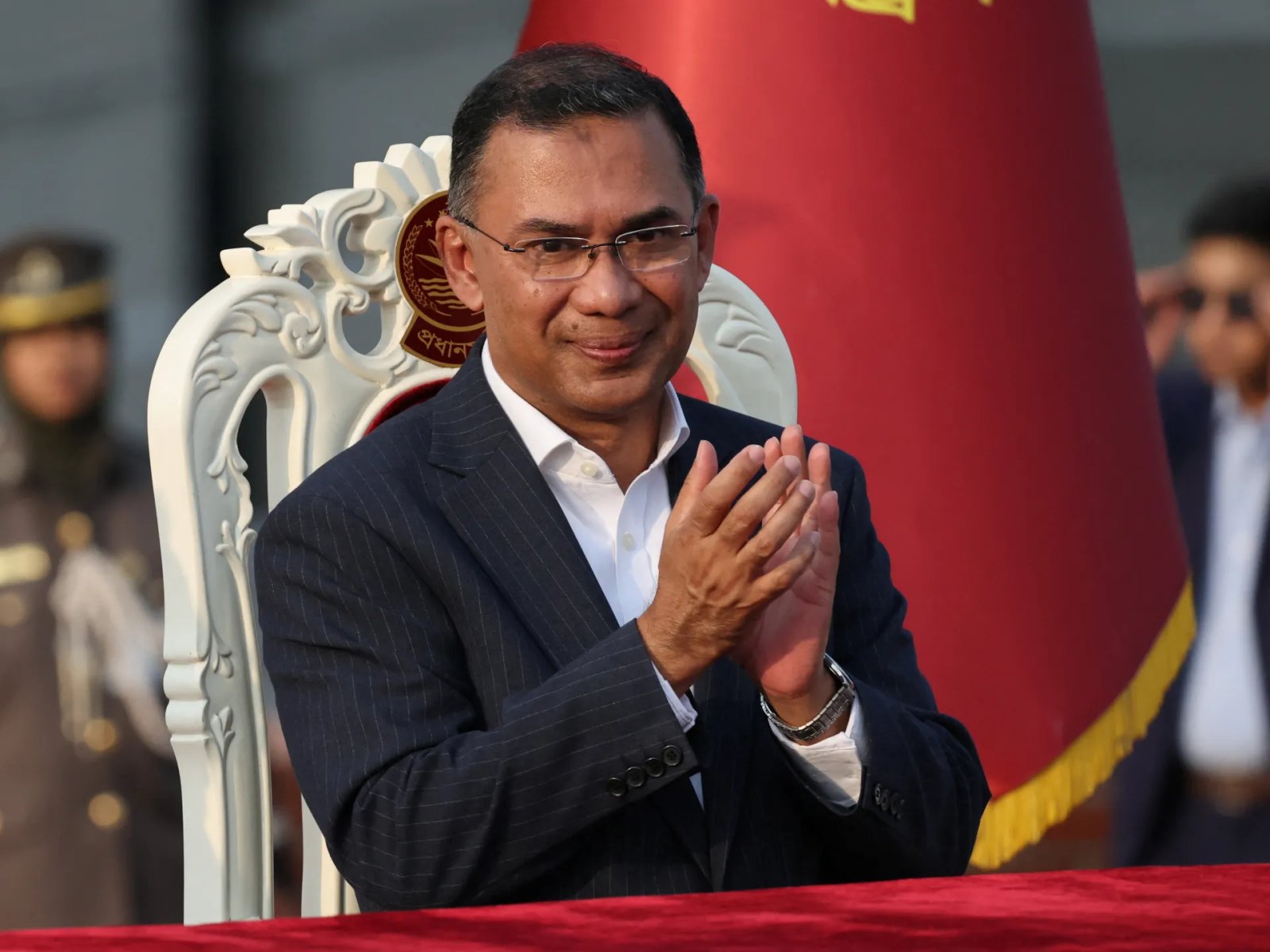
New Delhi, India – The highly anticipated maiden visit of Bangladesh’s Prime Minister Tarique Rahman to India has been indefinitely suspended, underscoring the deep-seated diplomatic friction between the two South Asian neighbors. The postponement marks a significant low point in bilateral relations following the seismic political shifts triggered by the July 2024 student-led uprising that ended the long-standing rule of former Prime Minister Sheikh Hasina.
Since assuming power in February 2026, Rahman—the son of the late opposition leader Khaleda Zia—has sought to recalibrate Dhaka’s foreign policy. While initial signals suggested a desire to stabilize ties with New Delhi, the relationship has been marred by the continued presence of Sheikh Hasina in India, where she resides in exile.
A "Vitiated" Atmosphere
The immediate catalyst for the current impasse appears to be a virtual press conference held by the deposed Hasina on August 5, commemorating the second anniversary of her ouster. The Dhaka administration has formally stated that the event “vitiated” the diplomatic environment, asserting that a “propitious environment” must be established before Prime Minister Rahman can consider travel to New Delhi.
The uncertainty surrounding the visit is palpable. While officials from both nations have engaged in high-level discussions for several weeks to reach an understanding, progress remains stalled. As reported in the latest [diplomatic assessment](https://www.aljazeera.com/features/2026/8/23/pm-tarique-rahmans-trip-stalled-what-it-means-for-bangladesh-india-ties" target="_blank" rel="nofollow">detailed analysis), the standoff reflects a fundamental shift in how the two countries view their historical partnership.
The Extradition Tug-of-War
At the heart of the tension is the issue of extradition. In November 2025, a Bangladeshi court handed down a death sentence to Hasina in absentia for crimes against humanity. The Bangladeshi Foreign Ministry has repeatedly called on New Delhi to act on the extradition request. While an extradition treaty exists between the two nations, it contains clauses exempting political cases—a technicality that has become a major diplomatic headache.
"The neighboring country must properly understand the reality of Bangladesh’s July Mass Uprising," said Humayun Kabir, foreign affairs adviser to Prime Minister Rahman. He emphasized that Dhaka is in no rush to fast-track the visit until India clarifies its position on the new, democratically elected government in Bangladesh.
Shifting Geopolitics
For India, the situation represents a complex challenge. Under the Hasina administration, India enjoyed a "blank cheque" approach to bilateral affairs. However, the current government under Rahman has taken a more assertive "Bangladesh First" stance, diversifying its strategic alliances to include the United States, China, and, notably, Pakistan—a development that has caused alarm in New Delhi.
Shakil Ahmed, an assistant professor at Jahangirnagar University, argues that the dynamics have fundamentally changed. "New Delhi saw Bangladesh as one of India’s foreign policy followers," Ahmed noted. "That is not the case anymore. People in Bangladesh want any relationship with India to be based on self-respect and mutual interests."
The Road Ahead
Despite the current rhetoric, analysts warn that the two nations cannot afford prolonged isolation.
"They do not have a choice to disengage," said Sreeradha Datta, a professor at OP Jindal Global University. She suggested that while the "initial warmth" has been lost to nationalistic noise, the two governments must move beyond the current impasse. "A relationship based on objectives or interests is what will take it forward."
As India prepares to chair the upcoming BRICS summit, the eyes of the region remain fixed on whether the two neighbors can navigate their internal political pressures to find a pragmatic path toward coexistence. For now, the "memorable" visit once envisioned by New Delhi remains a casualty of the turbulent political transition in Dhaka.