








India Ignites Piped Natural Gas Expansion with New Incentives for Distributors
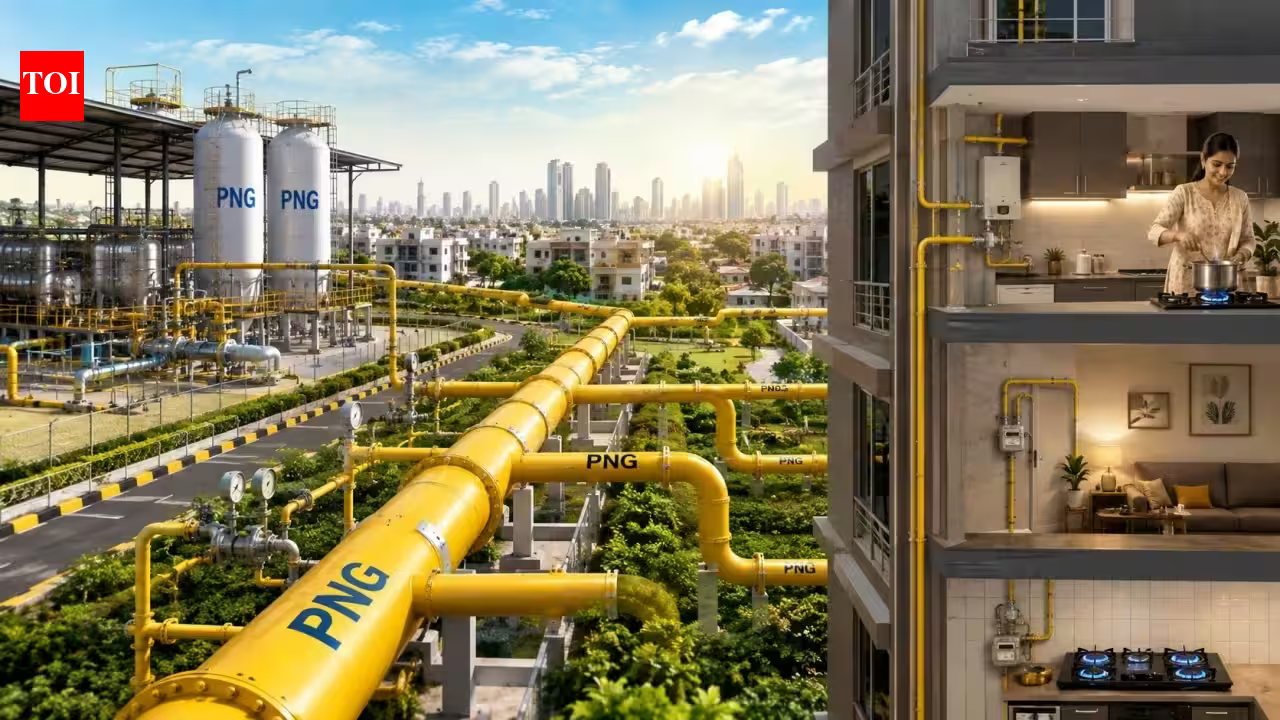
New Delhi, India – In a significant push to accelerate the adoption of piped natural gas (PNG) across Indian households, the government has unveiled a new incentive scheme offering city gas distributors a substantial allocation of lower-priced domestic natural gas for every new connection. This strategic move aims to expedite the transition from liquefied petroleum gas (LPG) cylinders to a cleaner, safer, and more convenient cooking fuel, bolstering India’s energy security and environmental initiatives.
Effective September 1st and approved by the government, the scheme provides city gas distributors with 200 standard cubic meters (SCM) of cheaper domestic natural gas for every new billed domestic PNG connection established above a pre-defined threshold in each geographical area. This initiative, as detailed in a PTI report, is designed to both activate existing but unused connections and expand PNG networks into previously unserved regions.
The PNG push comes at a crucial time, with India currently boasting approximately 17.4 million domestic PNG connections. The government’s objective is to significantly increase this number, aligning with its broader goal of universal access to clean energy.
Boosting Commercial Viability for Distributors
A key aspect of this incentive is its impact on the economics of city gas distribution (CGD) companies. The additional allocation of lower-priced domestically produced APM (administered price mechanism) gas provides these companies with crucial flexibility in their sourcing strategies. They can now replace a portion of the more expensive imported Liquefied Natural Gas (LNG) currently used for their Compressed Natural Gas (CNG) transport operations. This direct substitution is expected to substantially reduce their overall gas procurement costs.
The government anticipates that these cost savings will dramatically improve the commercial viability of household PNG connections for distributors. Officials estimate that the payback period for distributors’ capital expenditure on new connections could shrink from an average of 10 years to roughly three years. This significant reduction in the return-on-investment timeline offers a compelling financial incentive for CGD companies to aggressively pursue new household connections and expand their infrastructure. The incentive will be rolled out in two phases, each lasting six months, providing a structured approach to implementation.
Why the Urgent Shift to PNG?
The drive for wider PNG adoption is rooted in multiple benefits that the government seeks to capitalize on. PNG is considered a cleaner, safer, and more convenient cooking option compared to LPG cylinders and traditional solid fuels. It addresses concerns related to indoor air pollution, environmental impact, and the logistical challenges associated with cylinder delivery and storage.
The urgency of this transition was particularly highlighted during the Middle East conflict earlier this year. Interruptions to global LPG supplies during this period underscored India’s vulnerability to external energy shocks and spurred the government to actively explore avenues for reducing dependence on imported cylinders, especially for commercial users. While household LPG supplies were prioritized, city gas distributors were strongly encouraged to accelerate PNG connections, with incentives offered to both consumers and businesses to make the switch.
Government data reveals the success of these ongoing efforts. Since March, over 5 lakh (500,000) new PNG connections have been gasified, and more than 5.7 lakh (570,000) consumers have registered for new connections. Simultaneously, the government has actively directed existing PNG users to surrender their domestic LPG connections and launched extensive public awareness campaigns promoting the benefits of piped gas.
Streamlining Infrastructure and Regulation
Beyond direct incentives, the government is also working to create a more conducive environment for PNG expansion. Efforts are underway to ease regulatory constraints affecting gas infrastructure, standardize right-of-way charges across different regions, and encourage states to reduce Value Added Tax (VAT) on natural gas to 5%. Several states have already responded positively to this plea, according to official statements.
As part of the nationwide "PNG Drive 2.0," the government is implementing comprehensive awareness programs, encouraging housing societies currently relying on LPG to transition to PNG, and providing households with a streamlined process to surrender their LPG cylinders. Furthermore, a common digital platform is being developed to allow consumers to easily apply for and track their PNG connection requests, enhancing transparency and efficiency.
The new incentive scheme is a crucial step in this multi-pronged strategy. By improving the financial viability for city gas distribution companies and simplifying the process for consumers, the government aims to significantly accelerate the shift from LPG cylinders to piped cooking gas. PNG, delivered continuously through pipelines with consumers billed based on metered usage, offers inherent advantages in convenience and safety by eliminating the need for cylinder storage and handling. Its cleaner burning properties also contribute to lower indoor air pollutants and reduced carbon emissions, aligning with India’s broader environmental goals.