







Police Bust Massive Counterfeit Cancer Drug Racket in India; 17 Arrested
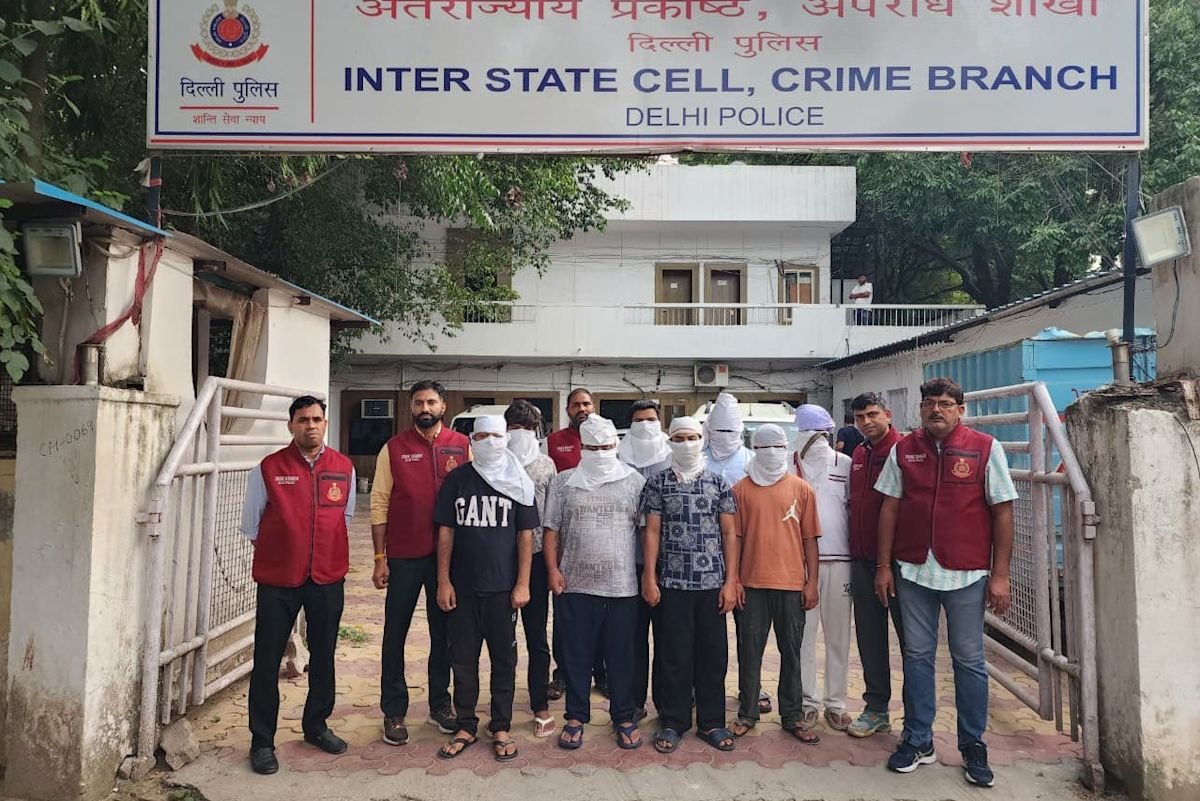
In a major blow to public health safety, law enforcement authorities in India have dismantled a sophisticated, multi-state criminal syndicate involved in the trafficking and manufacturing of counterfeit and illegally diverted life-saving cancer medications. The operation, which spanned several major Indian cities, has resulted in the arrest of 17 individuals and the seizure of illicit medical supplies valued at approximately Rs 90 million (£688,188).
A Web of Deception
The illicit network, which operated across the National Capital Region (Delhi), Mumbai, Hyderabad, Haryana, and Uttar Pradesh, functioned through a predatory three-tiered model. Investigators revealed that the syndicate sourced drugs through the diversion of legitimate supplies from government institutions, the theft of vials and packaging materials from private hospitals, and the deliberate manufacturing of counterfeit substances.
"The accused themselves made counterfeit drugs by imitating the vials and the packaging and using fake batch numbers," explained a senior police official. "They filled them with sterilized water and sold them as real drugs to desperate patients at discounted prices."
The seized inventory includes high-end immunotherapy and targeted therapy drugs—such as Keytruda, Opdyta, and Darzalex—which carry legitimate retail price tags ranging from Rs 15,000 to Rs 200,000 per vial. During the coordinated raids, police recovered 588 filled vials, significant quantities of packaging materials, and approximately Rs 5 million in cash.
Inside the Operation
The investigation, which began in late June, identified several individuals with direct links to the healthcare sector as central players in the conspiracy. Police allege that nursing-qualified staff, including an oncology department in-charge, actively misappropriated injections and vials from hospital facilities. These supplies were then funneled through intermediaries, including a former pharmaceutical firm operator and a former assistant to an oncologist, before being repackaged for illicit sale.
To bypass detection, the gang utilized chemicals like acetone to erase original batch numbers and expiration dates, effectively scrubbing the origin of the stolen medicines.
A Threat to "Pharmacy of the World"
This crackdown has reignited concerns regarding the integrity of India’s pharmaceutical supply chain. While India is the third-largest producer of drugs by volume and a global hub for medical tourism—attracting over half a million foreign nationals annually for specialized procedures like cancer treatment—the country has faced repeated scrutiny regarding product safety.
Previous international scandals, most notably the deaths of more than 140 children linked to contaminated Indian-made cough syrups, have prompted global warnings from the World Health Organization (WHO).
As the Indian government works toward a 2026 goal of transitioning from a general pharmaceutical manufacturer to a global innovation hub, officials admit that restoring trust through rigorous quality control and the elimination of such criminal rackets is paramount. For now, the successful bust of this syndicate serves as a critical intervention for the thousands of patients who rely on the safety and efficacy of these essential, life-preserving medications.