




As winter approaches, rising energy costs and the strain of rapid technological expansion have moved to the forefront of the national conversation, dominating the energy landscape from November 6 through November 12, 2026. Bipartisan efforts to bolster heating assistance and new findings regarding the hidden costs of data center growth signal a shifting policy environment focused on residential affordability and grid equity.
The governors of all six New England states joined forces on November 9 to urge congressional leadership to approve an additional $3 billion in funding for the Low Income Home Energy Assistance Program (LIHEAP). If successful, the move would bring the total program funding to $7 billion. The request follows dire projections from the National Energy Assistance Directors Association, which anticipates heating oil prices will surge by approximately 50% this winter. According to the Energy Information Administration’s (EIA) November outlook, residential heating oil is forecasted to reach $5.96 per gallon in the final quarter of 2026—a significant climb from $3.68 a year earlier. This price volatility threatens to place an estimated $1.1 billion additional burden on low-income households in the Northeast.
While homeowners brace for higher heating bills, new research suggests that utility customers are also absorbing the financial fallout of the booming artificial intelligence and data center sector. A study published November 9 in Nature Energy by Cornell University researchers Cheng Feng and Fengqi You revealed that data centers covered only 38% of the energy infrastructure costs associated with their expansion between 2020 and 2025. Of the $8.25 billion in total infrastructure costs, data centers paid $3.12 billion, leaving the remaining balance to be largely socialized among residents in regional grids, including Northern Virginia and the Dallas-Fort Worth area. The study noted that rural households are disproportionately affected, with the number of rural families spending more than 6% of their income on energy rising 76% faster than their urban counterparts.
In response to these infrastructure pressures, policymakers and utilities are increasingly looking toward demand-side solutions. The Cornell researchers suggested that if data centers limited power consumption during the 22 most critical peak-demand hours annually, the need for new, costly infrastructure could be significantly reduced. Simultaneously, states are moving toward “large-load tariffs” to ensure that tech companies contribute their fair share to grid upkeep.
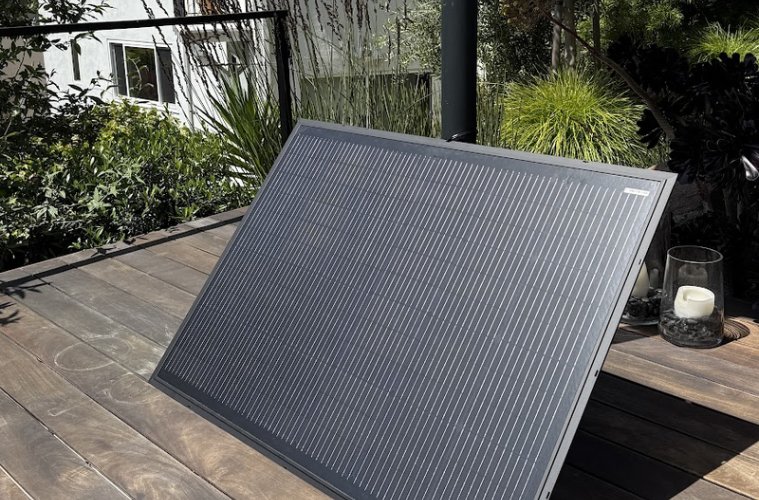
Technological advancements in the residential sector are also offering new ways to manage both costs and reliability. “Plug-in” solar systems—compact balcony or backyard arrays that connect directly to standard outlets—are gaining regulatory traction. As of October, 10 states have enacted laws to simplify the installation of these systems. With costs ranging from $400 to $2,000, advocates suggest a five-year payback period for consumers. Meanwhile, the integration of residential virtual power plants (VPPs) is expanding, with firms like SOLRITE and sonnen introducing smart breakers that allow homeowners to automatically shed non-essential loads, such as pool pumps, during grid stress events.
The shift toward a decentralized, flexible grid continues with advancements in bidirectional charging. On November 11, Lunar Energy unveiled a 25 kW home fast charger capable of vehicle-to-home (V2H) and vehicle-to-grid (V2G) functions. This technology allows electric vehicle batteries to serve as backup power sources for the home, a concept currently being piloted by utilities such as Puget Sound Energy to enhance grid reliability.
However, the rapid push for electrification and energy independence is not without risk. On November 12, the U.S. Consumer Product Safety Commission (CPSC) announced a recall of approximately 2,960 Cummins portable dual-fuel generators due to a valve defect that could cause fuel pressure to build and force leakage, creating fire and burn hazards. As consumers rely more heavily on home energy hardware, the importance of safety compliance and transparent infrastructure costs remains a defining theme for the remainder of the 2026 winter season.
Disclaimer: This content is auto-generated for informational purposes only.
Source: Read Original News